- July 29, 2025
Summarize with AI
Not enough time? Get the key points instantly.
Get summary:
Introduction
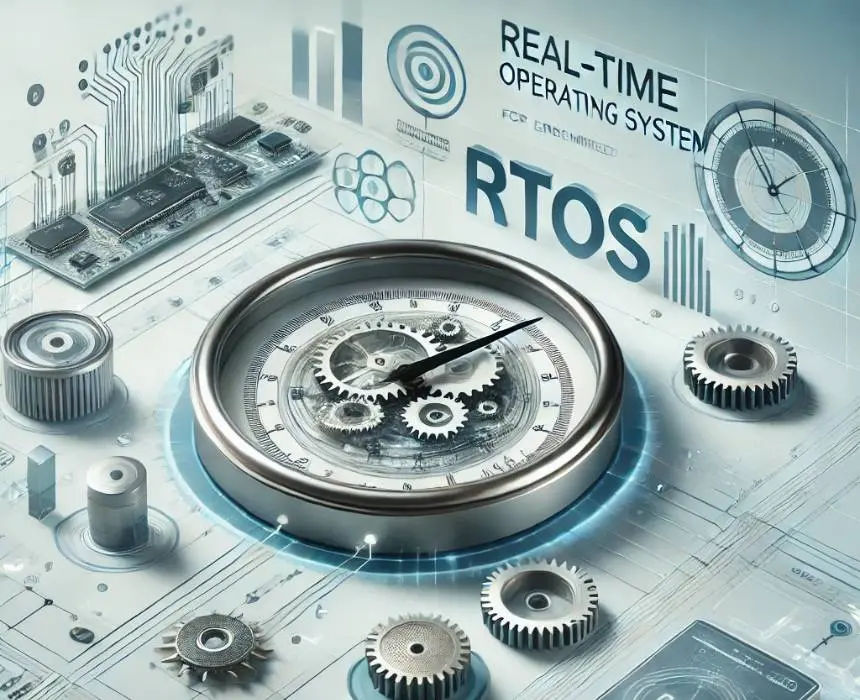
When building an embedded project—be it a smart thermostat, medical device, or robot—choosing the right real-time operating system (RTOS) is crucial. The RTOS you pick can directly impact system stability, responsiveness, and how easily you can scale or adapt as your product evolves.
Not all RTOS options are equal. Each comes with its own level of product risk, affecting uptime, vendor support, and how reliably you meet production deadlines. A poor choice can mean delays and costly rework, while the right one accelerates development and reduces long-term friction.
1. FreeRTOS (Very Low Risk)
What Makes FreeRTOS Stand Out
- Open-source foundation backed by AWS
- Hugely popular among hobbyists and professionals alike.
Why Developers Love It
- Supported by a massive community and easy-to-follow guides.
- Compatible with almost every microcontroller out there.
- Plenty of learning resources and code examples.
A Few Quirks to Watch
- Might not handle complex, ultra-reliable systems.
- Long-term commercial support is limited unless you opt for paid services.
Perfect Match For
- Entry-level IoT devices, smart home gadgets, and early-stage concepts.
2. Zephyr RTOS (Low Risk)
The Zephyr Difference
- Open-source and future-focused, managed by the Linux Foundation.
- Designed to cover everything from simple sensors to more intelligent edge devices.
Good News for Engineers
- Emphasizes built-in security and connectivity.
- Attracts industry giants, offering active improvements and updates.
- Flexible across various hardware platforms.
Be Aware Of
- Still maturing, so certain specialized features might be missing.
- Reliance on open-source support means fixes aren’t always immediate.
Best Fit For
- Connected wearables, consumer gadgets, and small wireless brains.
3. ThreadX (Low to Moderate Risk)
A Quick Intro to ThreadX
- Commercial-grade RTOS now under Microsoft Azure RTOS umbrella.
- Engineered for products demanding fast and predictable performance.
Where It Shines
- Proven at scale, running in billions of devices worldwide.
- Strong safety and reliability credentials.
Points to Consider
- You may need to manage commercial licensing.
- Less open to modification compared to fully open-source systems.
Thrives In
- Consumer electronics, networked appliances, and health-related sensors.
4. Micrium OS (uC/OS-III) (Moderate Risk)
Get to Know Micrium
- A commercial RTOS owned by Silicon Labs with a reputation for dependability.
- Tailor-made for challenging real-time requirements.
Why Teams Choose Micrium
- Professional support and well-documented reliability.
- Well-suited for critical applications.
Consider These Factors
- Licensing is not free and can introduce project complexity.
- Smaller open-source following compared to the top contenders.
Works Best With
- Mission-critical medical, industrial, and automotive control systems.
5. QNX (Moderate to High Risk)
QNX in a Nutshell
- Closed-source powerhouse from BlackBerry
- Good option for automotive and medical device
Reasons It Commands Respect
- Boasts decades of use in systems where lives and big bucks are at stake.
- Certified to meet the strictest safety and reliability standards.
Know the drawbacks
- Expensive licensing and potential vendor lock-in.
- Relatively niche skill pool outside automotive circles.
Good for
- Car infotainment, advanced driver-assist, and intelligent factory automation.
6. VxWorks (High Risk)
About VxWorks
- One of the veterans in embedded real-time systems, from Wind River.
- Trusted for decades in critical aerospace and industrial roles.
Strengths That Stand Out
- Battle-proven in NASA and aviation adventures.
- Backed by advanced tools for debugging and integration.
Potential Pitfalls
- Licensing can be pricey and support layers complex to navigate.
- Working with legacy code can pose serious learning curves.
Ideal for
- Aerospace gadgets, high-reliability robotics, and intricate automation.
7. RTEMS (Very High Risk)
Introducing RTEMS
- An open-source real-time executive, often seen in academia and cutting-edge labs.
- Designed for researchers and specialists needing extreme customization.
Unique Advantages
- Totally free to use, with broad support for custom architectures.
- Great for when you want to push the envelope on performance.
Heads-Up Before You Dive In
- Community is small, and documentation isn’t always complete
- Expect to roll up your sleeves for a lot of DIY troubleshooting.
Specially made for
- Space research, academic projects, or highly specialized prototypes.
Conclusion
Choosing the right RTOS isn’t just a technical decision—it’s a strategic one that can define your product success. Whether you are unsure which RTOS fits your use case or need help reducing risks in development, our experts can guide you through the decision. Reach out for a consultation and ensure your embedded system is built on the right foundation—reliable, scalable, and production-ready. Let’s make your next launch smoother, faster, and smarter.
Author
Have Something on Your Mind? Contact Us : info@corefragment.com or +91 79 4007 1108

Related articles