- August 22, 2024
Summarize with AI
Not enough time? Get the key points instantly.
Get summary:
Introduction
Embedded development boards are important for creating smart products. They combine hardware and software, allowing developers to design, test, and build applications efficiently. From IoT gadgets to industrial systems, these embedded boards simplify prototyping and speed up development.
As an tech leader or product owner you must know which embedded board is right for your project and budget. SBCs are compact, SoCs integrate components into a chip, and SoMs offer modular flexibility. Each suits different needs, from hobby projects to professional-grade embedded solutions.
What are Embedded Development Boards?
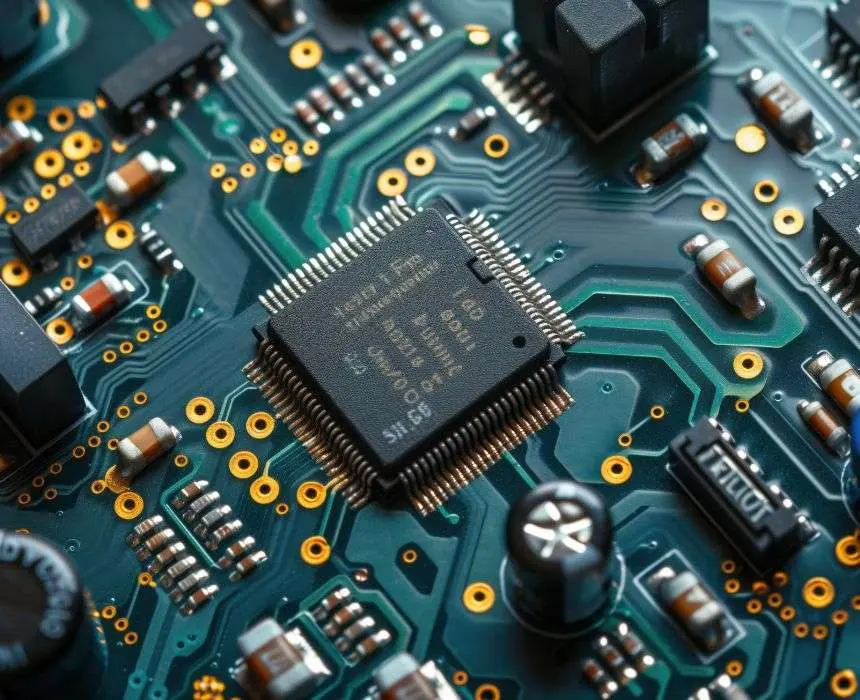
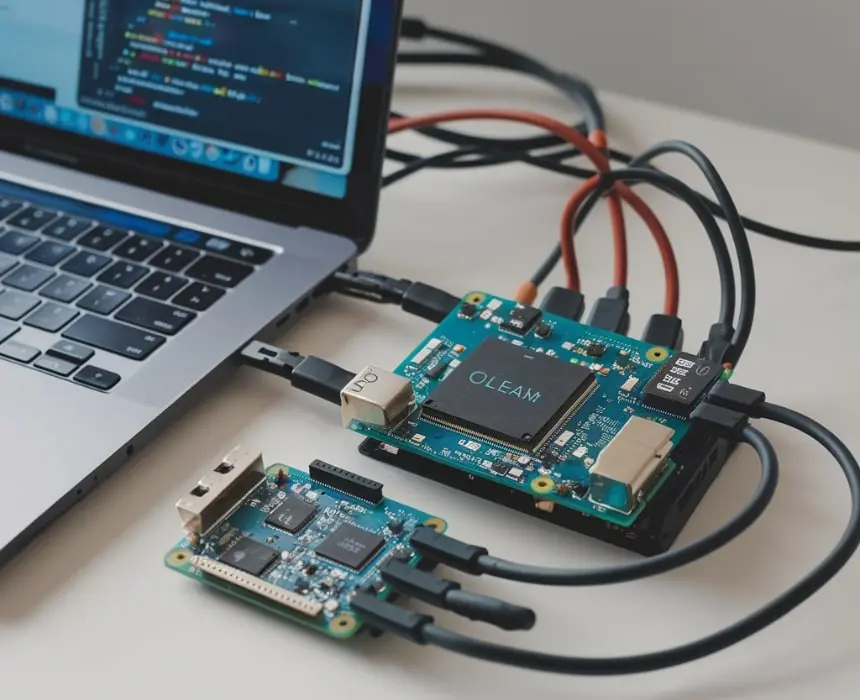
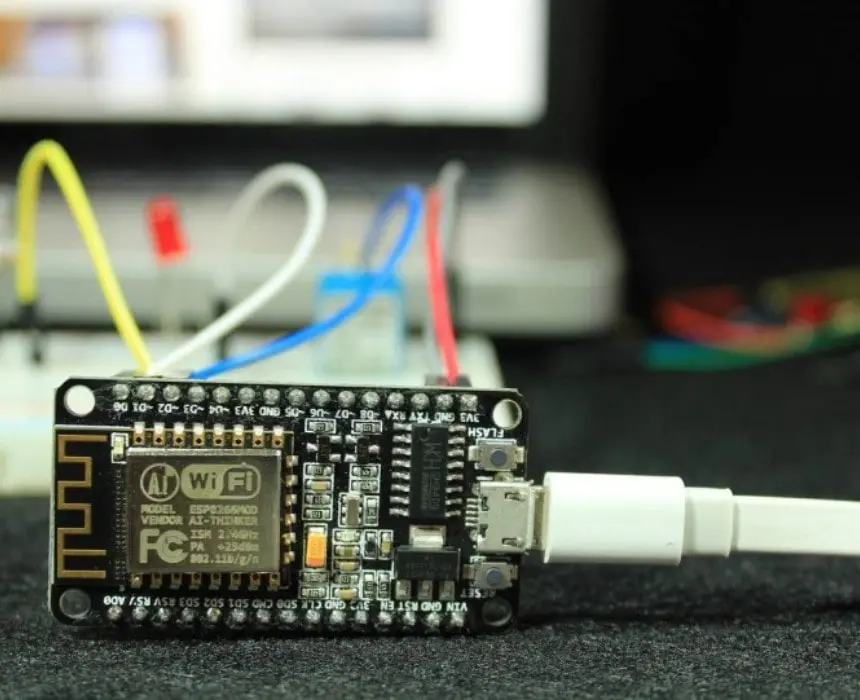
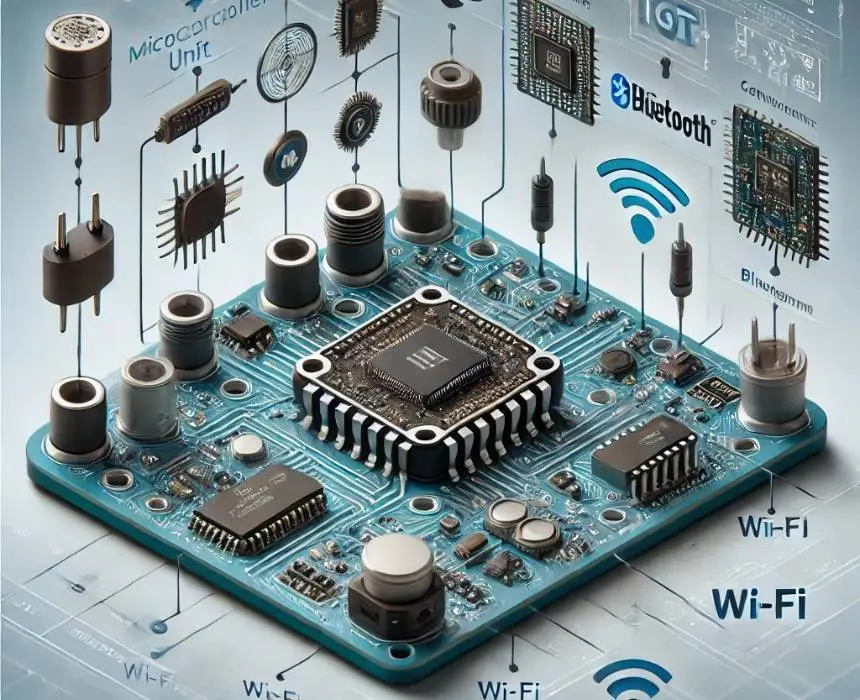
Embedded development boards are special devices that help developers create and test new technology. They include important parts like a processor, memory, and connectors to run programs and connect to other devices. These embedded boards are used for building gadgets like smart devices, robots, and IoT systems.
What is a System on Module (SoM)?
A System on Module (SoM) is a compact, self-contained computer that combines a processor, memory, and other essential components onto a single board. SoMs are designed to be integrated into larger systems, making them ideal for applications where space and power efficiency are crucial.
Example of SoM: NVIDIA Jetson Nano
One of the most popular SoMs is the NVIDIA Jetson Nano. This powerful module includes an ARM CPU and an NVIDIA GPU, making it perfect for artificial intelligence (AI) and machine learning projects. It is widely used in robotics, smart cameras, and edge devices for the Internet of Things (IoT). The Jetson Nano is known for its ability to process images and run complex algorithms, allowing developers to create intelligent applications.
Features of SoM
- Compact Size: Small and fit into tight spaces
- Low Power Consumption: They are energy-efficient
- Flexibility: They offer scalability for different applications
- Integration: SoMs can be easily integrated into larger systems
- Budget: Prices are $50–$200+. These are modular and versatile, suited for professional projects requiring scalability.
Applications of SoM
- Robotics: Powers intelligent robots that can learn and adapt
- Industrial Automation: Used in controlling machinery and processes
- Medical Devices: Integrated into equipment for monitoring and diagnostics
- Telecommunications: Used in networking equipment for efficient data processing
What is a System on Chip (SoC)?
A System on Chip (SoC) is a microchip that integrates all the necessary electronic circuits and components of a computer or other electronic system into a single integrated circuit (IC). SoCs are designed to provide high performance while minimizing power consumption, making them ideal for portable devices.
Example of SoC: Qualcomm Snapdragon
The Qualcomm Snapdragon is a well-known SoC used in many smartphones and tablets. It combines a CPU, GPU, modem, and other components into one chip, allowing for powerful processing capabilities in a compact form. This SoC enables features like high-definition video playback, fast internet connectivity, and advanced graphics in mobile devices.
Features of SoC
- Energy Efficiency: They are designed to consume less power
- High Performance: SoCs deliver powerful processing capabilities
- Compact Design: All components are integrated into a single chip
- Versatility: Used in a wide range of devices, from smartphones to IoT devices
- Budget : Usually the cheapest option, costing $5–$50, as it’s just a single chip. Ideal for cost-sensitive, high-volume projects but requires more design effort.
Applications of SoC
- Wearable Devices: Found in fitness trackers and smartwatches
- Smart Home Devices: Used in smart speakers, cameras, and appliances
- Smartphones and Tablets: Powers mobile devices with advanced features
- Automotive Electronics: Powers infotainment systems and advanced driver-assistance systems (ADAS)
What is a Single Board Computer (SBC)?
A Single Board Computer (SBC) is a whole computer built on a single circuit board. It includes a processor, memory, input/output (I/O) ports, and other components needed for a computer to function. SBCs are popular for education, prototyping, and hobbyist projects because they are easy to use and affordable.
Example of SBC: Raspberry Pi 4
The Raspberry Pi 4 is one of the most popular SBCs available today. It features a quad-core ARM CPU, RAM, USB ports, HDMI output, and GPIO pins for connecting other devices. The Raspberry Pi is widely used in educational settings, DIY projects, and even in professional applications due to its versatility and low cost.
Features of SBC
- Expandable: Many SBCs support additional peripherals and accessories
- Complete System: SBCs have all the necessary components on one board
- User-Friendly: They are easy to set up and use, making them great for beginners
- Affordable: SBCs are generally low-cost, making them accessible for various projects
- Budget : Costs range from $25–$150+. Great for hobbyists and developers who need a ready-to-use solution with all components integrated.
Applications of SBC
- Education: Used in schools and universities to teach programming and electronics
- Prototyping: Ideal for developers to create and test new ideas quickly
- Hobbyist Projects: Popular among DIY enthusiasts for creating custom electronics
- IoT Projects: Used in smart home applications and connected devices
How to Choose the Right Board for My Project?
When deciding which type of board to use for your project, consider the following factors:
1. Project Requirements:
If you require high processing power in a small space, consider an SoC. If you need flexibility and integration, a SoM might be the best choice. For educational purposes or hobby projects, an SBC is often ideal.
2. Size and Power:
If your project has strict size and power limitations, SoMs and SoCs are excellent options. SBCs are larger and may consume more power.
3. Budget:
SBCs are generally the most affordable, while SoCs can be more expensive due to their advanced capabilities. SoMs fall in between, depending on the specific module.
Conclusion
Understanding the differences between System on Module (SoM), System on Chip (SoC), and Single Board Computer (SBC) is crucial for anyone working in electronics or computing. Each offers unique features: SoC integrates components onto a single chip for compact devices, SoM adds modularity for faster development, and SBC provides a complete standalone computer on a board for general use and prototyping.
Author
Have Something on Your Mind? Contact Us : info@corefragment.com or +91 79 4007 1108

Related articles