- August 14, 2024
Summarize with AI
Not enough time? Get the key points instantly.
Get summary:
Introduction
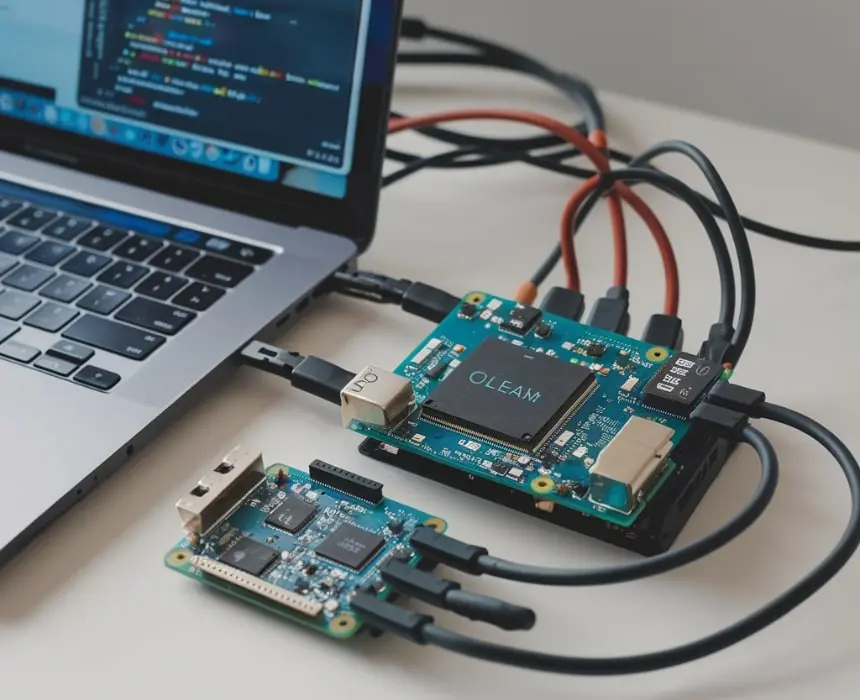
Embedded distributions is wide topic and contains so many types. People often get confused for too many options available in the market for choosing one right tool that fits as per their requirements. We can help people like you in selecting best embedded tool for your device depends on use case.
Usually these tools are categorized as per their specific use. For example smartwatch has different embedded tool than industrial device. There can be misunderstanding between Linux OS and Linux distributions. OS is main kernel which supports system functionality whereas distros are user friendly.
What Our CEO Mr. Parthraj Gohil Says About Linux Distribution Selection for IoT?
When you are choosing an embedded linux distro - make sure it is not about picking the most popular name—it is about picking the least risky path to scale. In IoT, Linux touches everything: boot time, security updates, hardware support, and long-term maintenance.
At CoreFragment Technologies, we evaluate how easily the distro can be customized, how stable the BSP and kernel support are, and how predictable security patching will be over the next 5–10 years. A weak choice leads to slow boots, broken updates, and vendor lock-in. The right distro gives teams control, compliance, and confidence in production.
Chat with him for expert guidance on linux distribution.
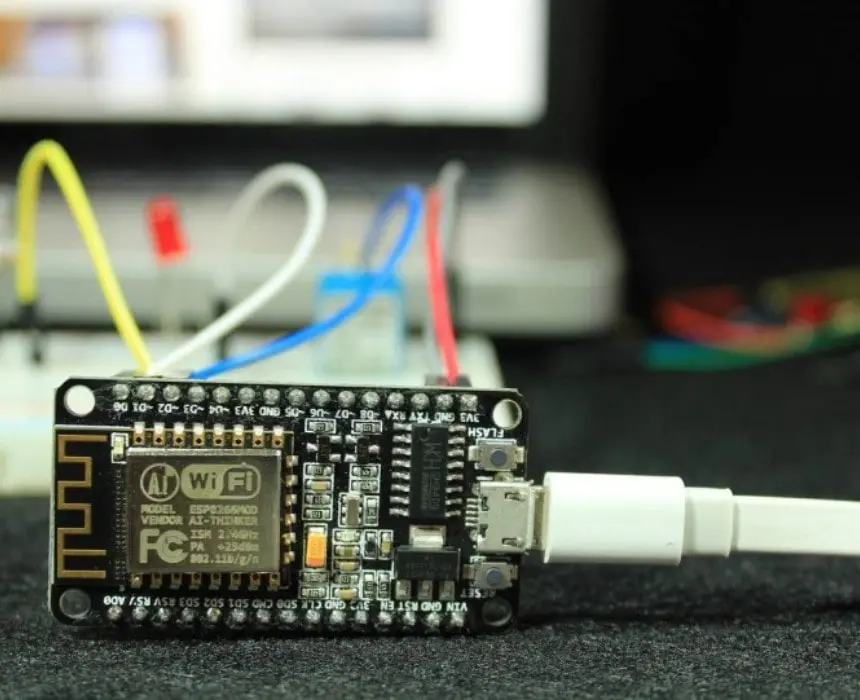
Linux is a powerful operating system that is widely used in embedded systems, especially for Internet of Things (IoT) devices. With many Linux distributions available, choosing the right one can be challenging. Here, we will explore the top 10 embedded Linux distributions for IoT, discussing their features and ideal use cases.
1. Ubuntu Core
- Overview: Ubuntu Core is a minimal version of Ubuntu designed for IoT devices. It is built around the concept of snaps, which are self-contained packages.
- When to Choose: Opt for Ubuntu Core if you need a secure and reliable platform with a vast community and extensive documentation.
- Example Use Case: Found in smart devices, retail screens, and gadgets that process data.
- Development Tools : Use Snapcraft to create and update apps for devices connected to the internet.
- Community Help : Canonical, the company behind Ubuntu, offers guides, forums, and paid support.
2. Yocto Project
- Overview: The Yocto Project is not a Linux distribution itself but a tool for creating custom Linux distributions. It allows developers to tailor the OS to their specific hardware and software needs.
- When to Choose: Use Yocto when you need complete control over your Linux environment and want to build a system optimized for your hardware.
- Example Use Case: Industrial automation systems that require a lightweight and highly customized OS for example power cars, factory tools, medical machines can use Yocto.
- Development Tools : Lets developers create custom operating systems for different devices.
- Community Help : Experts from Intel and ARM answer questions and share advice.
3. Buildroot
- Overview: Buildroot is a simple tool to generate embedded Linux systems. It is easier to use than Yocto and is ideal for those new to embedded Linux.
- When to Choose: Choose Buildroot if you want a straightforward way to create a minimal Linux system without extensive configuration.
- Example Use Case: Ideal for tiny gadgets like sensors and smart home devices.
- Development Tools : Provides a simple way to create lightweight software for devices.
- Community Help : Developers share ideas on GitHub and mailing lists.
Do you want to know more exactly which linux distribution should you use? Give a call to our linux expert.
4. Raspberry Pi OS
- Overview: Formerly known as Raspbian, Raspberry Pi OS is a Debian-based distribution optimized for the Raspberry Pi hardware.
- When to Choose: This is an excellent choice for beginners and educational projects due to its simplicity and extensive community support.
- Example Use Case: Educational projects in schools where students learn programming and electronics using Raspberry Pi.
- Development Tools : Works well with programming languages like Python and Scratch.
- Community Help : Has one of the biggest groups of users sharing tips and projects online.
5. OpenWrt
- Overview: OpenWrt is a Linux distribution primarily used for embedded devices, especially routers. It offers a fully writable filesystem and package management.
- When to Choose: Use OpenWrt for networking devices that require advanced routing capabilities and customization.
- Example Use Case: Used in Wi-Fi routers and home automation setups.
- Development Tools : Allows custom software updates for routers and network gadgets.
- Community Help : Active groups on forums and GitHub help solve problems.
6. Zephyr
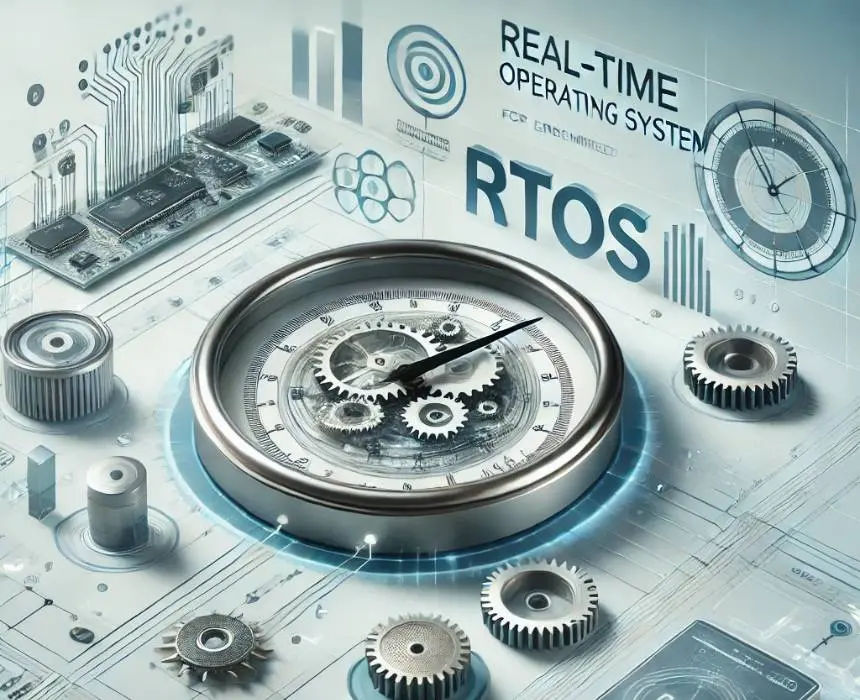
- Overview: Zephyr is a small, scalable open-source RTOS (Real-Time Operating System) designed for IoT devices. It supports multiple hardware architectures.
- When to Choose: Choose Zephyr for resource-constrained devices that require real-time capabilities.
- Example Use Case: Found in wearables like smartwatches and health monitors.
- Development Tools : Has a toolkit for programming very small smart devices.
- Community Help : Supported by the Linux Foundation and developers around the world.
7. Tizen RT
- Overview: Tizen RT is an open-source operating system based on Linux, designed for IoT devices. It is lightweight and supports various hardware platforms.
- When to Choose: Opt for Tizen RT if you are developing applications for smart TVs, wearables, or home appliances.
- Example Use Case: Powers smart TVs, appliances, and fitness trackers.
- Development Tools : Comes with tools to develop apps for smart home devices.
- Community Help : Samsung provides resources and forums for help.
8. Android Things
- Overview: Android Things is a version of Android designed for IoT devices. It allows developers to build smart devices using familiar Android tools.
- When to Choose: Use Android Things if you want to leverage the Android ecosystem for IoT development.
- Example Use Case: Uses Android Studio to create apps for smart devices.
- Development Tools : Was used in smart displays and connected gadgets.
- Community Help : Some support exists online, even though it is no longer updated by Google.
9. Fedora IoT
- Overview: Fedora IoT is a variant of the Fedora operating system tailored for IoT devices. It provides a robust platform with a focus on security and performance.
- When to Choose: Choose Fedora IoT for projects that require cutting-edge technology and features.
- Example Use Case: Includes tools for easy updates and creating containerized apps
- Development Tools : Found in industrial setups and smart cities.
- Community Help : Backed by Red Hat, with forums and detailed guides.
10. CentOS Stream
- Overview: CentOS Stream is a rolling-release distribution that serves as a preview of the next minor release of RHEL (Red Hat Enterprise Linux). It is stable and suitable for enterprise-level applications.
- When to Choose: Use CentOS Stream for IoT applications that require long-term support and stability.
- Example Use Case: Used in big businesses for their smart technology needs.
- Development Tools : Lets you manage server-based software for connected systems.
- Community Help : Red Hat ensures regular updates and online discussions.
Frequently Asked Questions :
1. Which Linux distribution is best for small IoT devices?
Buildroot and Zephyr are great for lightweight and resource-limited devices like sensors.
2. Can I use Fedora IoT for industrial applications?
Yes, Fedora IoT is designed for smart infrastructure and industrial use cases.
3. Which distribution is best for low-power devices?
Buildroot and Yocto Project are highly optimized for minimal resource use.
4. How do I choose the right Linux distribution for my project?
Consider your project requirements like real-time needs, hardware compatibility, and community support.
Conclusion
Choosing the right embedded linux distribution for IoT depends on your specific needs of your project. Each distribution offers unique features and advantages, making them suitable for different applications. Whether you need a lightweight system for a Raspberry Pi or a highly customizable platform like Yocto, there is an embedded Linux distribution that fits your requirements. Understanding the strengths and ideal use cases for each distribution will help you make an informed decision. With the right choice, you can create efficient and effective IoT solutions that meet your project goals.
Author
Have Something on Your Mind? Contact Us : info@corefragment.com or +91 79 4007 1108

Related articles