- May 13, 2025
Summarize with AI
Not enough time? Get the key points instantly.
Get summary:
Why companies have to take help from Tensorflow development company?
Building AI products is not easy. Many teams start with simple demos and hope to turn them into full products later. Many companies try to build AI products on their own and later face problems with cost, system crashes, slow models, wrong results, and unstable performance. This is why many product companies decide to work with a professional TensorFlow development company instead of building everything by trial and error.
CoreFragment Technologies works as a TensorFlow development company that builds AI products that run in real business systems. We focus on building stable AI software that can handle real users, large data, and daily use. When you hire TensorFlow developers from CoreFragment Technologies, you work with engineers who understand both model building, system design as per your product and business requirements.
This helps reduce risk and saves time and money in the long run. Our goal is not just to build models but to build AI systems that can run daily without breaking when users.
Why AI Product Teams Choose a TensorFlow Development Company?
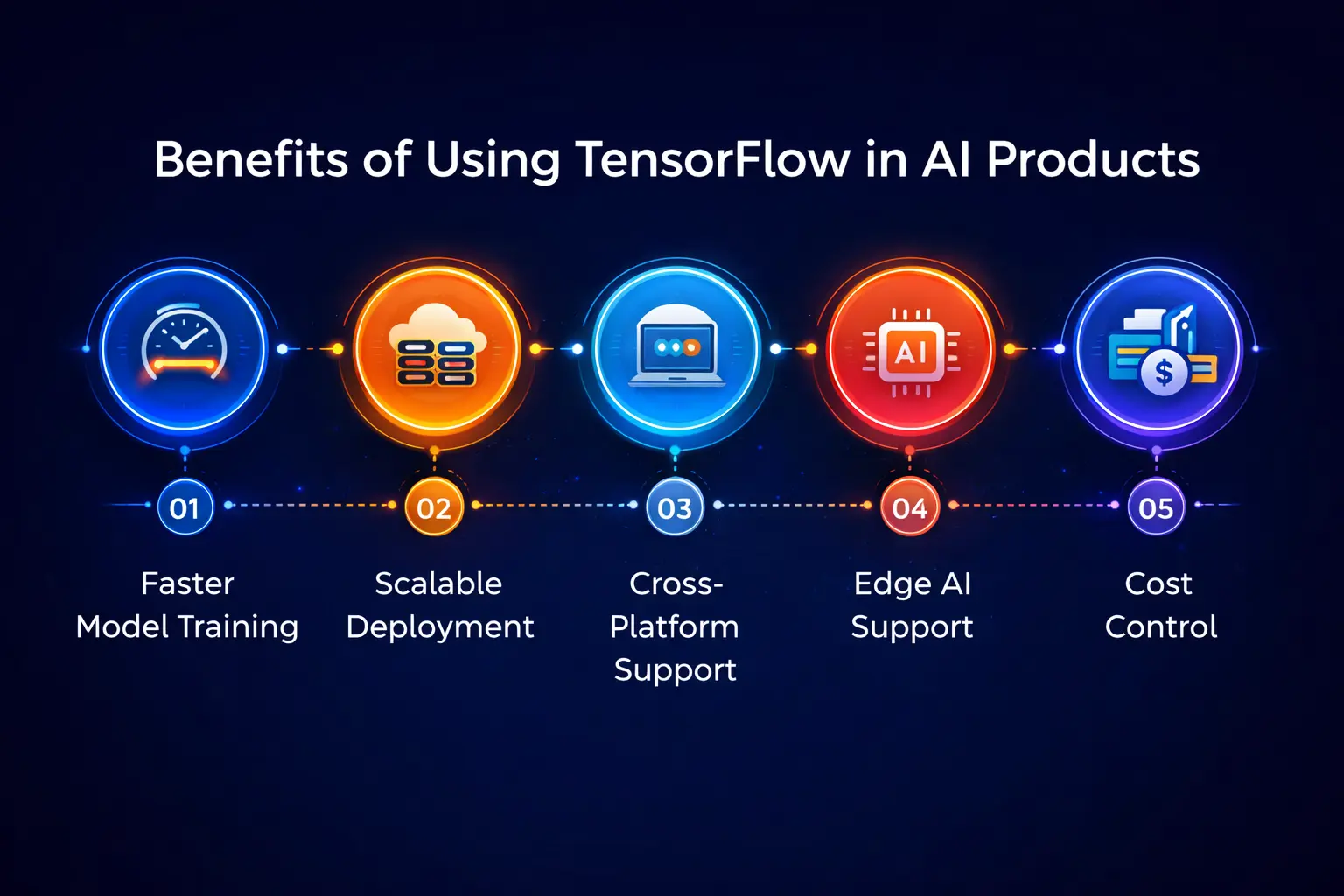
TensorFlow is an open-source machine learning framework created by Google. It helps computers learn from data and improve their output over time. TensorFlow is used to build AI models that can read images, understand text, and make predictions from numbers.
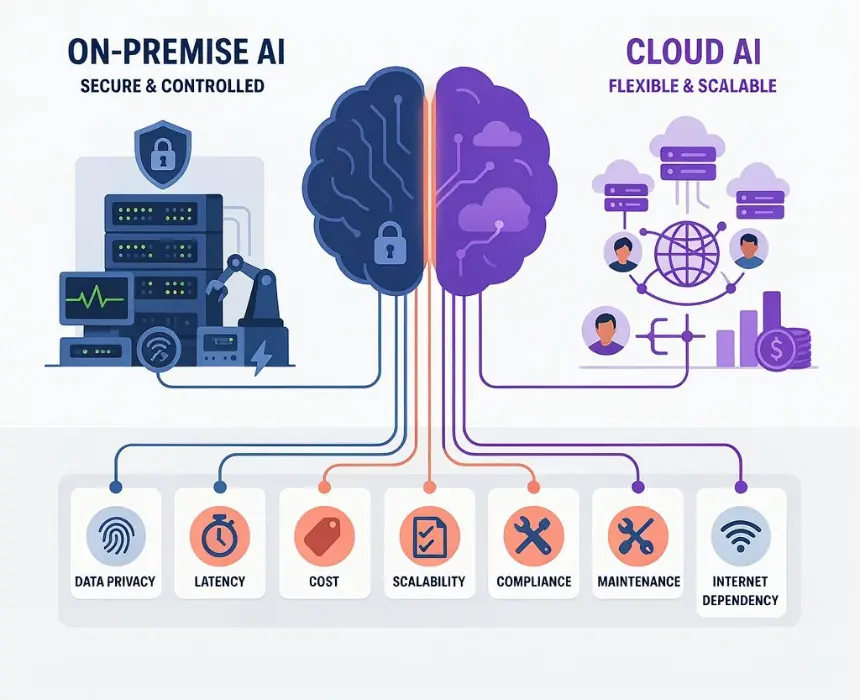
TensorFlow works with many types of data. It can process images from cameras, text from documents, and numbers from sensors. It can also run on cloud servers and on devices near the data source. This makes TensorFlow useful for AI products that need to work both online and offline.
Companies use TensorFlow to:
Build AI features inside apps
Automate manual work
Detect patterns in data
Predict future events
Support smart devices
A TensorFlow development company knows how to use TensorFlow in real business systems. They plan how the model will run after launch, how it will be updated, and how it will be monitored. This is what makes the difference between a demo and a real product.
What You Will Get Different with the Best TensorFlow Development Company?
Many teams confuse with generic service delivery from the tensorflow development companies. Few things which sets best tensorflow development compnies apart is not their technological expertise, but ethical artificial intelligence use that match your business and product needs.
Best companies don't compete with cost but they have good quality of engineering strategy, business and product understanding. Here is what they can build using tensorflow -
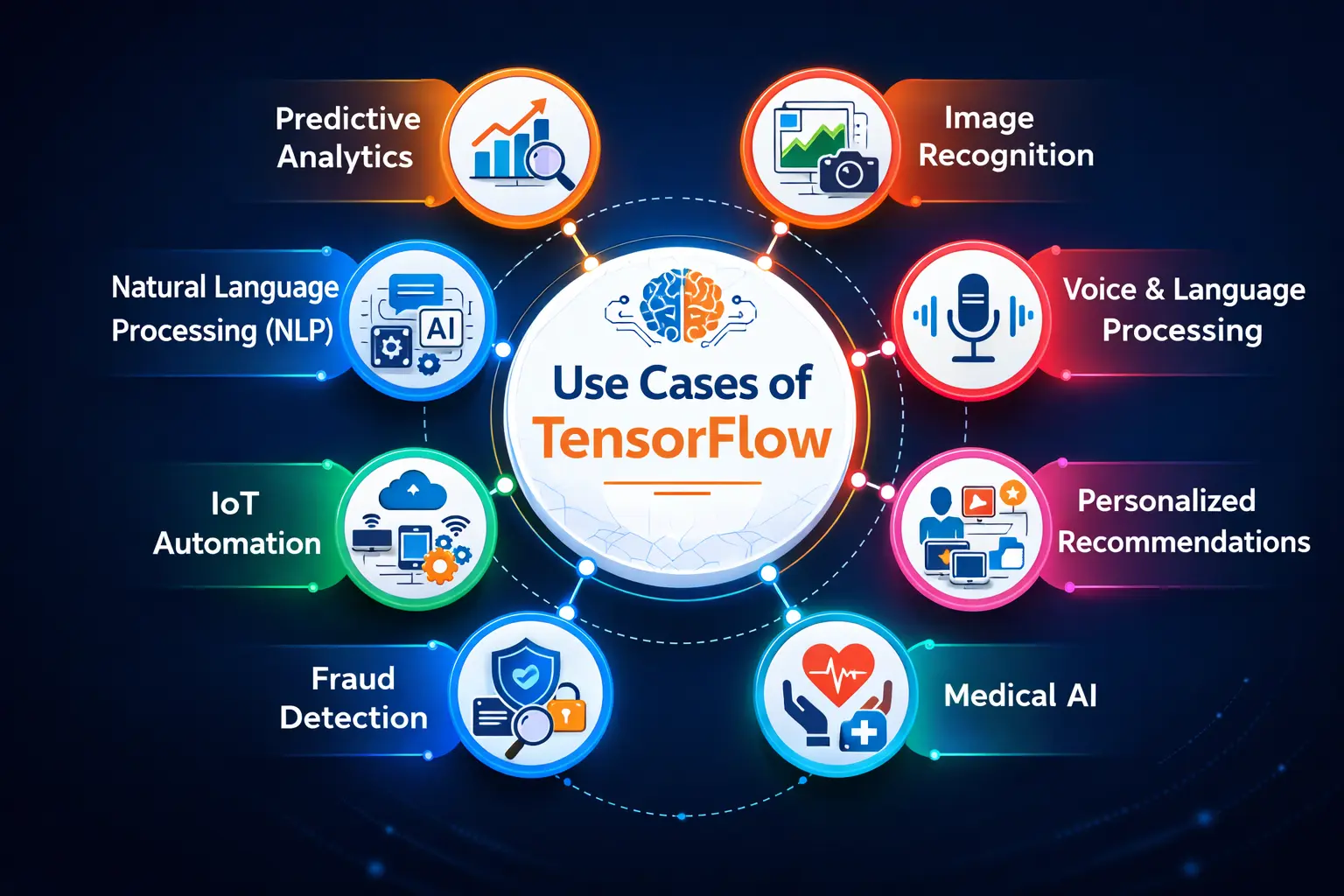
TensorFlow supports many types of AI products. These products are used in many industries, including healthcare, manufacturing, retail, logistics, and agriculture. A TensorFlow development company helps turn these ideas into stable systems.
Common AI products built using TensorFlow include:
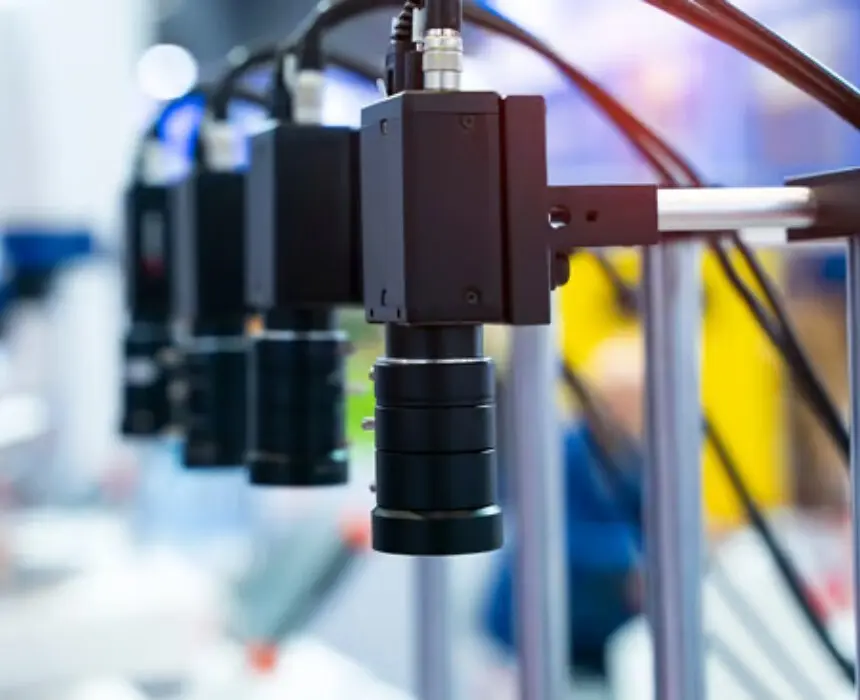
Camera-based quality check systems for factories
Failure prediction tools for machines and equipment
Document reading systems for forms and reports
Customer support bots for websites and apps
AI systems for IoT devices and sensors
Pattern detection systems for risk and fraud
These products help companies reduce manual work, detect issues early, and make faster decisions. When you hire TensorFlow developers with real product experience, these systems can be built faster and maintained over time.
Possibilities of TensorFlow in AI Products and Automation
TensorFlow helps automate manual work and supports data-driven decisions. It finds patterns that humans often miss, especially in large datasets. It works with live data from apps and devices, which makes it useful for real-time systems.
Common uses of TensorFlow in automation include:
Reading sensor data from machines
Sorting documents and emails
Predicting machine failure before breakdown
Classifying user actions in apps
A TensorFlow development company helps you choose the right use cases. Not every process needs AI. Good teams focus on problems where AI brings real value and reduces cost or effort.
Why Hire a TensorFlow Development Company?
AI systems fail when built without experience. Many teams focus only on building the model and forget about how it will run in production. When the system goes live, problems start to appear. Cloud costs go up. Models become slow. Data issues break results. Users lose trust.
When you hire TensorFlow developers from a TensorFlow development company, you avoid these problems early. Experienced developers know how to design training pipelines, how to test models with real data, and how to prepare systems for production use.
A TensorFlow development company helps with:
Model design that fits your business problem
Training pipelines that can scale with data growth
Production setup that does not crash under load
Performance tuning so models run fast
Long-term support and updates
This helps your AI product stay stable as your business grows.
TensorFlow Development Services by CoreFragment Technologies
CoreFragment Technologies offers full TensorFlow development services for companies building AI products and automation tools. We do not just build models. We build complete AI systems that work in real business environments.
Our TensorFlow development services cover the full product lifecycle. We start by understanding your problem and checking your data. We design the model based on your real use case. After that We build training pipelines that can be repeated when data changes. After testing the model with real-world data, we help deploy the system to servers or devices.
We help with:
Custom TensorFlow model building for your use case
AI product development for web and mobile apps
Computer vision systems for images and video
Text and document AI for reading and search
Predictive systems for demand and failures
AI automation for business workflows
You can hire TensorFlow developers from our team in different ways:
Full-time support for long projects
Part-time support for smaller tasks
Project-based work for fixed goals
This flexible model helps you control cost while getting expert support.
System Requirements for TensorFlow Development
Small tests can run on normal laptops. Real AI products need stronger systems. Training models needs more memory and compute power. Running models in production needs stable servers and monitoring tools.
Typical setup for TensorFlow development includes:
Linux or Windows servers for development
GPUs for faster training
Cloud servers for production deployment
Storage for data and trained models
Monitoring tools to track performance and errors
A TensorFlow development company designs this setup based on your scale and budget. This helps you avoid buying hardware you do not need and prevents system crashes later.
Cost of Using TensorFlow
TensorFlow itself is free to use. But building products with TensorFlow has real costs. These costs come from hardware, cloud services, data work, and system maintenance. Training models on GPUs increases cloud bills. Storing large datasets and models also adds cost. Cleaning and labeling data takes time and money. Running models in production needs servers that stay online all the time.
Main cost areas include:
Cloud servers and GPU instances
Data storage and backup
Data cleaning and labeling
Model hosting and updates
A TensorFlow development company helps plan these costs early. This avoids budget surprises after launch and helps you choose a setup that fits your business size.
How CoreFragment Technologies Helps as a Tensorflow Development Company
CoreFragment Technologies follows a clear and structured process. We first study your problem and check if TensorFlow is the right fit. Then we review your data quality. After that, we design the AI system and model flow that suits your product flow. We build models using TensorFlow and test them with real data. We deploy the system to servers or devices and monitor performance after launch. We also support updates and improvements as your data changes.
This process helps keep your AI product stable over time and reduces the chance of major failures after release.
Summary
TensorFlow is powerful but hard to manage alone. The right TensorFlow development company helps you build AI products that work in real use, not just in demos. CoreFragment Technologies offers TensorFlow development services for companies that want stable AI systems. You can hire TensorFlow developers from our team to move faster and avoid costly mistakes.
If you are planning to build AI products using TensorFlow, work with a trusted TensorFlow development company. Hire TensorFlow developers from CoreFragment Technologies to design, build, and run your AI systems with confidence.
Author
Have Something on Your Mind? Contact Us : info@corefragment.com or +91 79 4007 1108

Related articles