An Ultimate Guide to IoT Integration Services and How It Helps Businesses in 2026

Introduction

By 2026, most businesses will not struggle to adopt IoT. They are struggling to make it work together.

Devices are already in place. Sensors are collecting data. Platforms are running in the background. Yet the real problem starts after adoption. Systems don’t talk to each other, and data stays locked in silos.

That’s the point where most IoT strategies lose their real value.

The IoT was never just about connecting devices. It was about creating a system where data flows across operations and drives real-time decisions.

That missing layer is where IoT integration services come in.

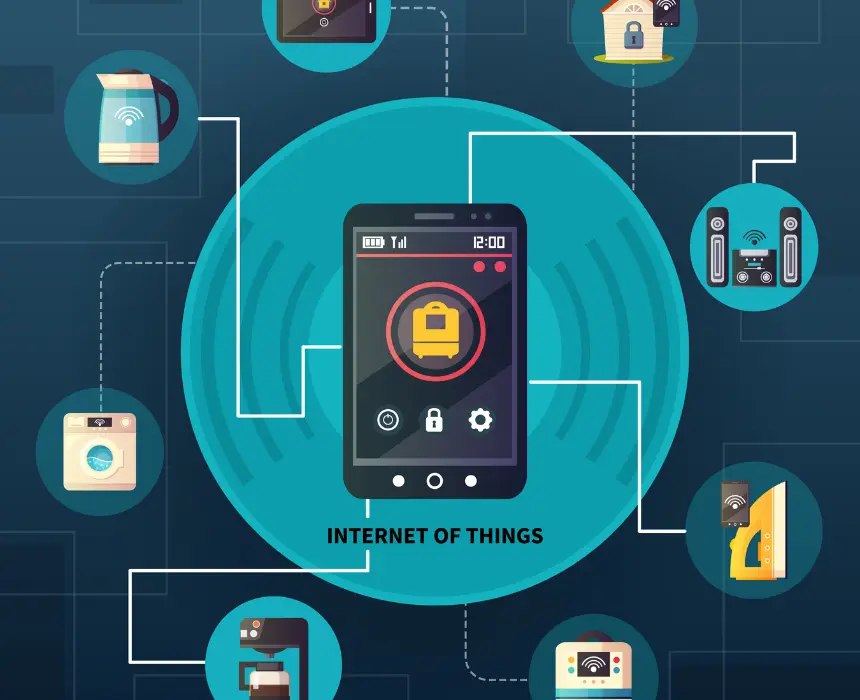
Modern IoT integration services connect IoT devices, platforms, and enterprise systems into one unified ecosystem. They ensure data moves smoothly and turns into actionable insights.

This is where the real impact shows. Manufacturing detects issues early, logistics tracks fleets in real time, and healthcare monitors patients with faster, more accurate responses.

But as IoT adoption grows, the complexity behind it also increases. According to a Statista report, the number of connected devices is expected to reach 40.6 billion by 2034, making integration a critical business requirement.

So the question is, how do you manage this growing complexity?

In this guide, you’ll understand how IoT integration services work, where they fit in real systems, and how businesses can implement them effectively.

Let’s begin without any delay!


What Are IoT Integration Services?

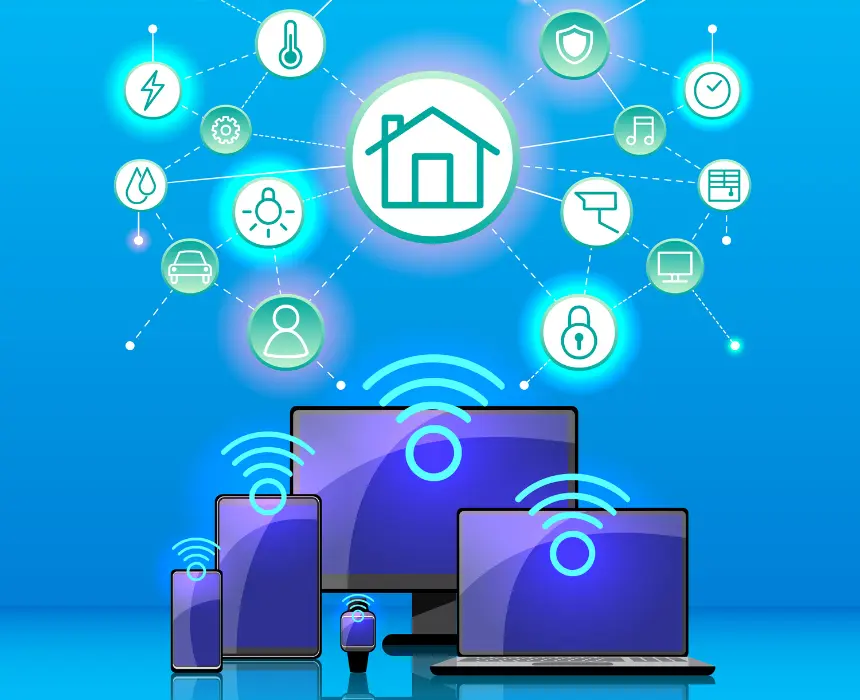
IoT integration services connect your devices, sensors, networks, cloud platforms, and business systems into one single system where everything works together smoothly.

They ensure that information collected from physical devices is transmitted, processed, and delivered to systems like ERP, CRM, and analytics platforms in real time. This allows businesses to monitor operations, automate workflows, and make faster, data-driven decisions.

A critical part of IoT integration is handling interoperability. Since devices often use different protocols, standards, and vendors, integration services use gateways, APIs, and middleware to enable smooth communication across all systems.

In simple terms, IoT integration services turn disconnected devices into a connected ecosystem that delivers actionable insights and operational efficiency.

How IoT Integration Services Work in Real Systems

In real systems, IoT system integration doesn’t just connect devices, they create a continuous flow of data and actions across the business.

At a basic level, the process works like this:

  • Devices and sensors collect real-time data

  • Data is transmitted through networks or gateways

  • Cloud or edge platforms process the data

  • Business systems receive insights and trigger actions

This creates a seamless pipeline where data moves from the physical world to decision-making systems without delay.

In practice, this means a device doesn’t just send data, it drives outcomes. A sensor can trigger alerts, update dashboards, or automate actions instantly based on real-time conditions.

This is what makes IoT integration powerful. It turns disconnected data into a system where monitoring, analysis, and response happen together, enabling faster decisions and more efficient operations.

Also Read: If you're planning implementation, you can also understand IoT app development cost in this detailed guide.


Core Components of IoT Integration Services

Behind every successful IoT system, there isn’t just connectivity, there’s a structured set of components working together. Without these building blocks, even the best IoT strategy fails to deliver consistent results.

Here are seven key components of IoT Integration Services:

1. Devices and Sensors

These are the physical endpoints, like sensors, actuators, and machines that capture real-world data such as temperature, motion, or performance. The accuracy and reliability of this data define how well the entire system performs. Strong device setup ensures consistent data collection at scale.

2. Connectivity and Protocols

This layer moves data between devices and systems using technologies like Wi-Fi, Bluetooth, LoRaWAN, and cellular networks such as 4G or 5G. It ensures secure and stable communication across different environments and use cases. The right protocol choice directly impacts speed, range, and efficiency.

3. IoT Gateways and Edge Processing

Gateways act as intermediaries that collect, filter, and translate data from multiple devices before sending it forward. They also enable edge processing, where data is analyzed locally to reduce latency and bandwidth usage. This helps systems respond faster without depending fully on the cloud.

4. Cloud and IoT Platforms

Cloud platforms handle large volumes of IoT data by storing, managing, and processing it at scale. They also support device management, system monitoring, and integration with business applications. This layer provides the backbone required for scalability and centralized control.

5. Data Processing and Analytics

This component transforms raw device data into meaningful insights through real-time processing, analytics, and predictive models. It helps identify patterns, detect issues early, and improve decision-making. Without this layer, data remains unused and ineffective.

6. Application Layer and User Interfaces

This is where users interact with the system through dashboards, mobile apps, or enterprise tools. It allows monitoring, control, and automation of devices and processes in real time. Integration with systems like ERP or CRM ensures data aligns with business workflows.

7. Security and Interoperability

Security protects data across devices, networks, and platforms, while interoperability ensures different systems and vendors work together smoothly. This layer prevents vulnerabilities and communication gaps within the ecosystem. A secure and compatible system is critical for long-term reliability.


Read this guide on the best
IoT product development tools if you want to explore the tools behind these components.

Real-World Use Cases of IoT Integration Services

IoT becomes valuable only when it solves real business problems. With the right IoT integration services, data from devices doesn’t just get collected, it connects with systems, triggers actions, and improves outcomes across industries.

Here’s how it works in real-world scenarios:

1. Manufacturing Automation

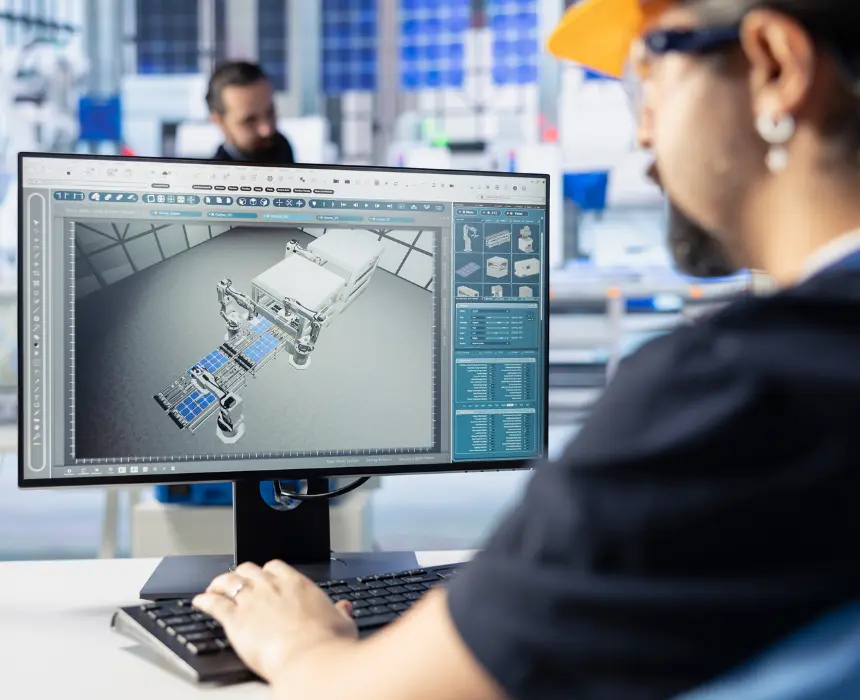
Sensors monitor machines continuously and send performance data to maintenance and production systems. Within seconds, anomalies are detected, and within minutes, alerts or actions are triggered. Over time, this enables predictive maintenance and improves efficiency by 15 to 25 percent.

2. Healthcare Monitoring

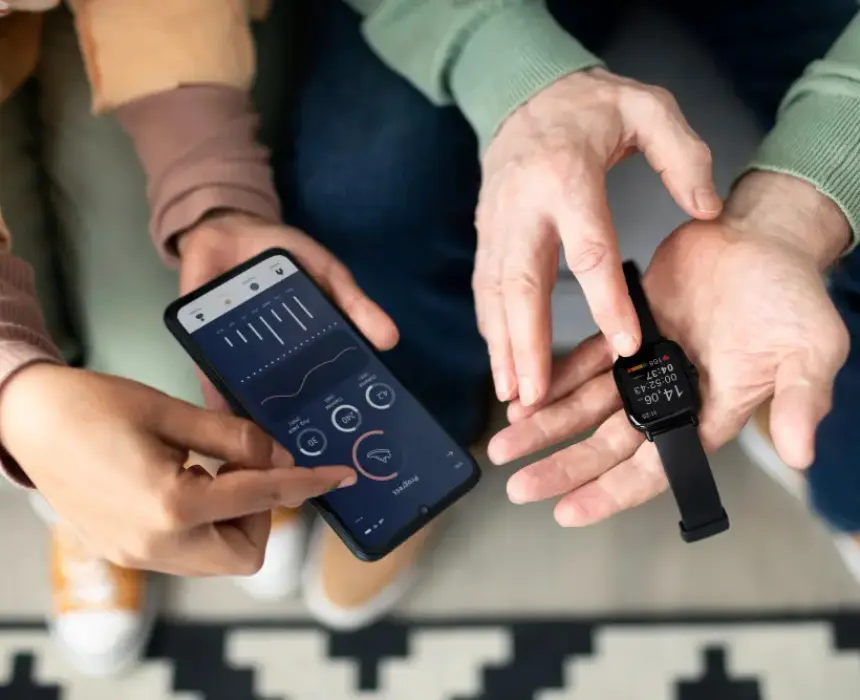
Wearables and medical devices track patient vitals and send data instantly to healthcare platforms. Doctors receive real-time updates, allowing early intervention within critical time windows. This reduces hospital visits and improves patient care outcomes.

3. Retail and Inventory Management

Smart shelves and POS systems track stock levels and customer interactions in real time. Within seconds, inventory updates reflect across systems, and within hours, restocking decisions can be automated. This reduces stockouts and improves customer experience.

4. Logistics and Fleet Tracking

IoT sensors continuously track vehicle location, fuel usage, and shipment conditions. Data flows into logistics systems, enabling route optimization within minutes and full supply chain visibility at all times. This leads to faster deliveries and lower operational costs.

5. Smart Infrastructure and Cities

Connected sensors monitor traffic, waste levels, and utilities across urban environments. Data is processed in real time to adjust traffic signals, schedule waste collection, and optimize resource usage. This improves efficiency and reduces operational overhead.

6. Energy and Utilities

Smart meters and grid sensors continuously monitor energy usage and system performance. Within seconds, irregularities are detected, and systems can respond automatically. Over time, this leads to better energy efficiency and reduced waste.

To see how this actually works in business environments, you can go through this IoT in the workplace guide.


Key Benefits of IoT Integration Services for Businesses

After understanding how IoT integration services work in real systems and where they are applied, the next step is clear. What measurable value do they actually deliver to businesses?

Let’s take a look at the benefits that directly impact operations, cost, and growth:

1. Real-Time Decision Making

IoT systems continuously stream live data from devices, machines, and environments. This gives businesses instant visibility, allowing decisions to be made within seconds instead of waiting for reports. Faster decisions reduce delays, improve response time, and prevent small issues from becoming major problems.

2. Operational Efficiency and Automation

One of the biggest gains comes from replacing manual processes with automated workflows. IoT systems monitor operations, trigger actions, and optimize performance without constant human input. This reduces errors, improves productivity, and allows teams to focus on high-value tasks instead of routine checks.

3. Cost Reduction and Resource Optimization

With connected data across systems, businesses can identify inefficiencies in energy usage, operations, and resource allocation. IoT helps reduce waste, lower operational costs, and optimize asset usage over time. Many organizations report noticeable cost savings after implementing IoT-driven systems.

4. Predictive Maintenance and Reduced Downtime

Instead of reacting to failures, IoT enables condition-based monitoring. Sensors detect early warning signs, and systems predict issues before breakdowns happen. This approach can reduce unplanned downtime by up to 30 to 50% while extending equipment lifespan.

5. Improved Customer Experience

IoT integration connects customer data with business systems, enabling faster, more personalized services. From real-time order tracking to behavior-based recommendations, businesses can improve engagement and satisfaction through better data usage.

6. End-to-End Visibility Across Operations

IoT integration removes data silos by connecting devices, platforms, and enterprise systems into one unified view. Businesses can track everything from production to delivery in real time, improving coordination and reducing blind spots across operations.

7. Enhanced Safety and Risk Management

Connected sensors monitor environments, detect hazards, and trigger alerts instantly. This helps prevent accidents, protect assets, and ensure compliance with safety standards. It also reduces operational and regulatory risks in critical industries.

8. Scalability and Future Readiness

With scalable IoT integration solutions, businesses can easily add new devices, expand operations, and adopt technologies like AI and automation without rebuilding systems. This makes IoT a long-term strategic investment, not just a short-term upgrade.


Step-by-Step IoT Integration Process for Businesses

This is where structured IoT implementation services help businesses move from planning to execution. 

Let’s take a practical, step-by-step IoT integration look at what really matters.

Step 1. Define Business Objectives and Use Cases

Before touching any technology, get clarity on what you’re solving and why it matters.

  • Identify Pain Points: Focus on real issues like downtime, lack of visibility, manual inefficiencies, or high operational costs.

  • Set Measurable KPIs: Define clear targets such as reducing maintenance costs, improving uptime, or optimizing energy usage.

  • Map Use Cases: Align goals with use cases like predictive maintenance, asset tracking, smart monitoring, or automation.

Step 2. Assess Existing Infrastructure and Readiness

Your current systems decide how smooth or complex integration will be.

  • Infrastructure Audit: Evaluate network strength, storage capacity, and data processing capabilities.

  • Compatibility Check: Ensure existing systems support IoT protocols like MQTT, CoAP, or HTTP.

  • Identify Gaps: Look for limitations in scalability, connectivity, or legacy systems that may require upgrades.

Step 3. Select the Right Devices, Sensors, and Connectivity

The success of IoT depends heavily on choosing the right hardware and communication layer.

  • Device Selection: Choose sensors based on data type (temperature, motion, pressure), accuracy, and environment.

  • Connectivity Choice: Use Wi-Fi, 4G/5G, LoRaWAN, or Bluetooth depending on range, speed, and power needs.

  • Scalability Factor: Ensure devices and networks can handle future expansion without rework.

Step 4. Design Integration Architecture and Security Framework

This is where you define how everything connects and stays protected.

  • Data Flow Design: Map how data moves from devices to gateways, cloud, and business systems.

  • Integration Layer: Use APIs, middleware, or IoT platforms to connect with ERP, CRM, or analytics tools.

  • Security First Approach: Implement encryption, authentication, RBAC, and network segmentation from day one.

Step 5. Connect to IoT Platforms and Business Systems

Now the ecosystem starts coming together into a unified system.

  • Platform Setup: Configure device management, communication protocols, and cloud infrastructure.

  • System Integration: Connect IoT data with enterprise systems like ERP, CRM, or supply chain platforms.

  • Centralized Control: Enable a single dashboard for monitoring, control, and decision-making.

Step 6. Enable Real-Time Data Processing and Analytics

Data is the real asset. This step turns it into actionable insights.

  • Data Pipelines: Set up real-time data collection, processing, and storage systems.

  • Edge + Cloud Processing: Use edge computing for instant actions and cloud for deeper analytics.

  • Insight Generation: Apply analytics or AI to predict failures, detect anomalies, and optimize performance.

Step 7. Test with Pilot Projects Before Full Deployment

Never go all-in without validation. This step reduces risk significantly.

  • Proof of Concept (PoC): Start small to test core functionality and integration flow.

  • Performance Testing: Validate connectivity, device accuracy, and system reliability.

  • Security Testing: Run vulnerability checks to ensure data and devices are protected.

Step 8. Deploy, Monitor, and Continuously Optimize

IoT is not “set and forget,” it’s an evolving system that improves over time.

  • Full Deployment: Roll out across operations once the pilot is successful.

  • Continuous Monitoring: Track device health, data flow, and system performance in real time.

  • Ongoing Optimization: Update firmware, improve analytics models, and scale devices as business grows.

8 Common Challenges in IoT Integration Services

IoT integration looks smooth on paper, but execution is where complexity hits. Here are the eight core challenges you need to be aware of:

Challenge 1. Legacy System Compatibility

Many businesses still rely on outdated infrastructure that doesn’t naturally support modern IoT protocols, making integration complex and time-consuming. This often leads to data silos and limited communication between old and new systems.

Solution: Use middleware, APIs, or phased upgrades to bridge the gap without disrupting existing operations.

Challenge 2. Device Interoperability & Standardization

IoT ecosystems involve multiple devices, vendors, and communication protocols, which don’t always “speak the same language.” This creates friction in data exchange and system scalability.

Solution: Prioritize open standards like MQTT or CoAP and adopt API-first architectures for smoother interoperability.

Challenge 3. Data Overload & Management Complexity

IoT devices generate massive volumes of real-time data, and without proper filtering and structuring, it quickly becomes overwhelming and unusable. Poor data quality directly impacts decision-making.

Solution: Implement data pipelines, real-time filtering, and scalable cloud storage to turn raw data into actionable insights.

Challenge 4. Security & Privacy Risks

Every connected device becomes a potential entry point for cyberattacks, increasing the risk of data breaches, unauthorized access, and system failures. Security gaps can cost both money and trust.

Solution: Apply end-to-end encryption, device authentication, and a zero-trust approach from day one.

Challenge 5. Scalability & Performance Bottlenecks

As IoT deployments grow, systems often struggle to handle increased device load, data traffic, and processing demands. Without a scalable architecture, performance drops fast.

Solution: Use cloud-native infrastructure and edge computing to balance load and maintain performance at scale.

Challenge 6. High Implementation & Operational Costs

IoT integration isn’t just about devices, it includes infrastructure, development, maintenance, and security, which can quickly increase total investment. Many businesses underestimate this upfront.

Solution: Start with a focused MVP, validate ROI early, and scale gradually based on performance insights.

Challenge 7. Connectivity & Network Reliability Issues

IoT systems depend heavily on stable connectivity, but real-world environments often include weak signals, remote locations, or network disruptions. This impacts real-time data flow.

Solution: Use hybrid connectivity options (Wi-Fi, 5G, LoRa) and edge processing to ensure continuity even during network drops.

Challenge 8. Skilled Talent & Execution Gaps

IoT requires a mix of hardware, software, cloud, and data expertise, which is still rare to find in a single team. This often delays projects or leads to poor implementation quality.

Solution: Combine internal upskilling with experienced partners or platform-based solutions to reduce complexity.


Technologies Behind Modern IoT Integration Services

IoT integration today isn’t just about connecting devices, it’s about building a real-time, intelligent ecosystem that can scale, adapt, and make decisions. These technologies are commonly used across both IoT integration and IoT development services.

Let’s take a look at the core technologies:

1. Programming Languages & Development Frameworks

IoT development starts at the device level and extends to cloud applications, requiring a mix of languages for different layers. C/C++ powers firmware and embedded systems, while Python, JavaScript (Node.js), and Java handle backend logic, APIs, and data-driven applications efficiently.

2. IoT Communication Protocols

Efficient communication is the backbone of any IoT system, especially in low-power or unstable environments. Protocols like MQTT, CoAP, HTTP/HTTPS, LoRaWAN, and BLE ensure lightweight, secure, and reliable data transmission across devices and networks.

3. Cloud Platforms & Integration APIs

Cloud platforms act as the central hub where IoT data is stored, processed, and managed at scale. Solutions like AWS IoT Core and Microsoft Azure IoT Hub enable seamless integration with enterprise systems through APIs, ensuring real-time operations and scalability.

4. Edge Computing & Real-Time Processing

Instead of relying entirely on cloud processing, edge computing brings intelligence closer to devices. It reduces latency, minimizes bandwidth usage, and enables faster decision-making for time-sensitive applications like manufacturing and healthcare.

5. Data Storage & Streaming Technologies

IoT systems generate continuous data streams that require scalable storage and processing solutions. SQL databases manage structured data, while NoSQL and streaming tools like Apache Kafka handle real-time ingestion, processing, and analytics at scale.

6. Advanced Connectivity Technologies

Different IoT use cases require different connectivity layers, from high-speed to low-power networks. Technologies like 5G, Wi-Fi 6, and LoRaWAN ensure stable communication across urban, industrial, and remote environments.

7. Digital Twins & Simulation Systems

Digital twins create virtual replicas of physical assets, allowing businesses to monitor performance and simulate outcomes in real time. This helps in predictive maintenance, operational optimization, and risk reduction.

8. IoT Device Management Platforms

Managing thousands of connected devices requires dedicated platforms for provisioning, monitoring, and updates. Tools like Particle and Losant help maintain control, ensure uptime, and simplify large-scale IoT operations.

9. Security Infrastructure & Data Protection

With billions of connected endpoints, security is critical across every layer of IoT integration. Technologies like encryption, zero-trust architecture, and blockchain-based authentication help protect data and prevent unauthorized access.

10. AI + IoT (AIoT) Integration

Here’s where things get next-level AIoT combines artificial intelligence with IoT data to enable predictive analytics and autonomous decision-making. From anomaly detection to demand forecasting, AI transforms raw IoT data into real business intelligence.

If you want to go deeper into communication layers, this IoT protocols guide explains everything clearly.

IoT Integration Services vs IoT Development Services

At first glance, both sound similar, but they solve completely different business problems. Here’s the simple truth, one builds the IoT solution, the other makes it actually work within your business ecosystem. Let’s break it down clearly so you know where each one fits.

Feature

IoT Development Services (Building the “Thing”)

IoT Integration Services (Connecting the “System”)

Core Focus

Creating IoT products from scratch, including hardware, firmware, and applications.

Connecting existing devices, platforms, and enterprise systems into one ecosystem.

Primary Goal

Turn an idea into a working IoT product or platform.

Ensure all IoT components communicate, scale, and exchange data seamlessly.

What It Involves

Sensor design, embedded systems, firmware coding, mobile/web app development.

API development, middleware setup, cloud integration, data pipelines, and system connectivity.

Key Technologies Used

Microcontrollers, embedded C/C++, Python, mobile frameworks, custom backend systems.

APIs, cloud platforms, edge computing, protocols like MQTT/CoAP, and integration tools.

Outcome/Deliverables

Custom-built IoT devices, applications, and proprietary platforms.

A unified, connected system with real-time data flow across devices and business tools.

Business Use Case

Launching a new smart product, wearable, or IoT-based solution.

Connecting IoT data with ERP, CRM, analytics dashboards, or legacy systems.

Example Scenario

Building a smart sensor device with its own mobile app and backend system.

Connecting that sensor data to cloud platforms and integrating it with business software.

Complexity Type

Product development complexity (design, build, test from scratch).

System complexity (compatibility, scalability, interoperability challenges).

When You Need It

When you’re starting from zero or creating a new IoT product.

When you already have systems/devices and need them to work together.

End Result for Business

A functional IoT solution ready to be deployed.

A fully connected, automated, and data-driven operational ecosystem.


Future Trends in IoT Integration Services

IoT integration is moving fast from simple connectivity to intelligent, self-operating ecosystems. Businesses are no longer just collecting data, they’re using it to automate decisions, optimize operations, and unlock new revenue streams.

Here’s how the future is shaping up:

1. Autonomous IoT Systems

IoT is evolving from passive monitoring to systems that can take actions on their own. With AI-driven models and edge intelligence, devices can detect issues, trigger responses, and optimize operations without human intervention, reducing delays and improving efficiency.

2. Industry-Specific IoT Ecosystems

Instead of generic solutions, IoT integration is becoming industry-focused with tailored ecosystems. From smart manufacturing to connected healthcare and logistics, solutions are now designed around specific workflows, compliance needs, and operational challenges.

3. Edge-First and Real-Time Architectures

The shift toward edge computing is enabling faster, real-time data processing closer to devices. This reduces latency, lowers bandwidth costs, and supports critical use cases where instant decisions are required, especially in industrial and urban environments.

4. Data Monetization Opportunities

IoT is no longer just about efficiency, it’s becoming a revenue driver. Businesses are using IoT data to create new services, subscription models, and insights-based offerings, turning raw data into measurable business value.

For a broader view of where the industry is heading, check out this detailed IoT trends guide.

Why Partner with CoreFragment for IoT Integration Services?

Most IoT projects don’t fail at the idea stage, they fail during execution, scaling, or real-world performance.

That’s exactly where CoreFragment stands out, focusing on building systems that don’t just connect devices but actually work reliably in production environments.

Why partner with us?

  • 10+ Years of Industry Experience

  • 12+ Countries Served Globally

  • 110+ Successful Projects Delivered

  • Proven Experience in IoT Solutions

  • End-to-End Execution, Not Just Development

  • Faster Time-to-Market with Clear Direction

  • Long-Term Support That Actually Matters

Want a clear, no-fluff roadmap for your IoT integration?

Book your free consultation with our IoT Integration experts today and get a clear action plan.

Conclusion

IoT is no longer just about connecting devices, it’s about making your entire business ecosystem work in sync. When data flows seamlessly across systems, decisions become faster, smarter, and more impactful.

We hope this guide has shown you how IoT integration services turn scattered setups into a connected, scalable system. From real-world use cases to challenges and technologies, everything comes down to one thing: execution that actually works.

As we step into the future, businesses that focus on proper integration will gain efficiency, visibility, and a serious competitive edge. Those who ignore it will keep dealing with disconnected data and limited outcomes.

Now it’s your turn to align your systems, fix the gaps, and build an IoT setup that delivers real results.
Still confused where to start?
Talk to IoT experts and map your IoT integration the right way.

Have Something on Your Mind? Contact Us : info@corefragment.com or +91 79 4007 1108