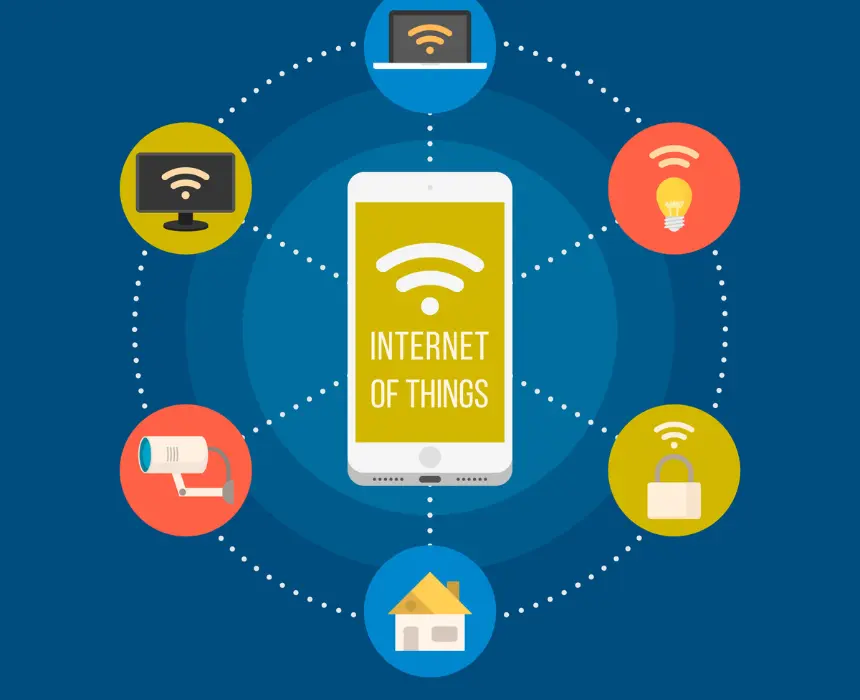
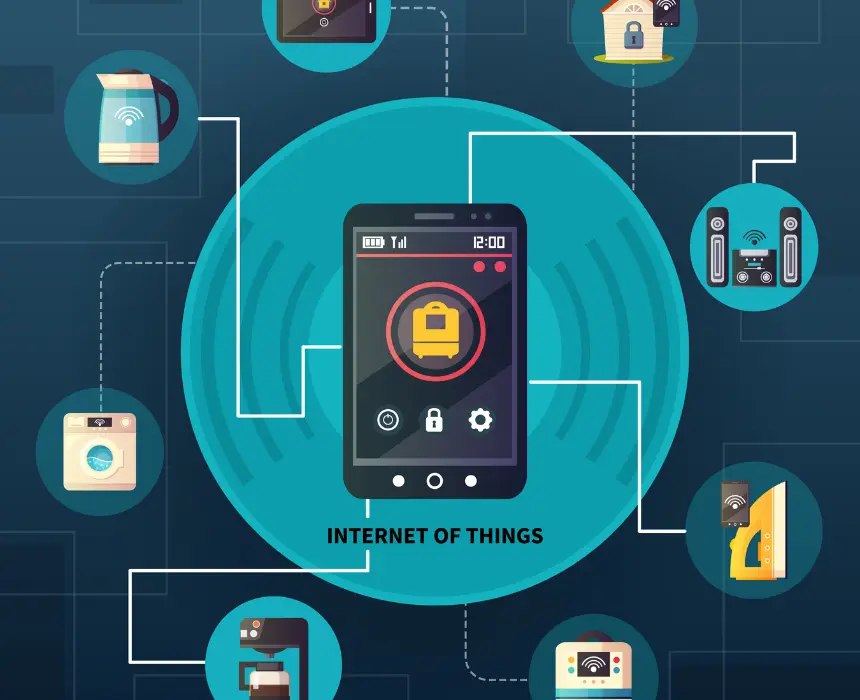
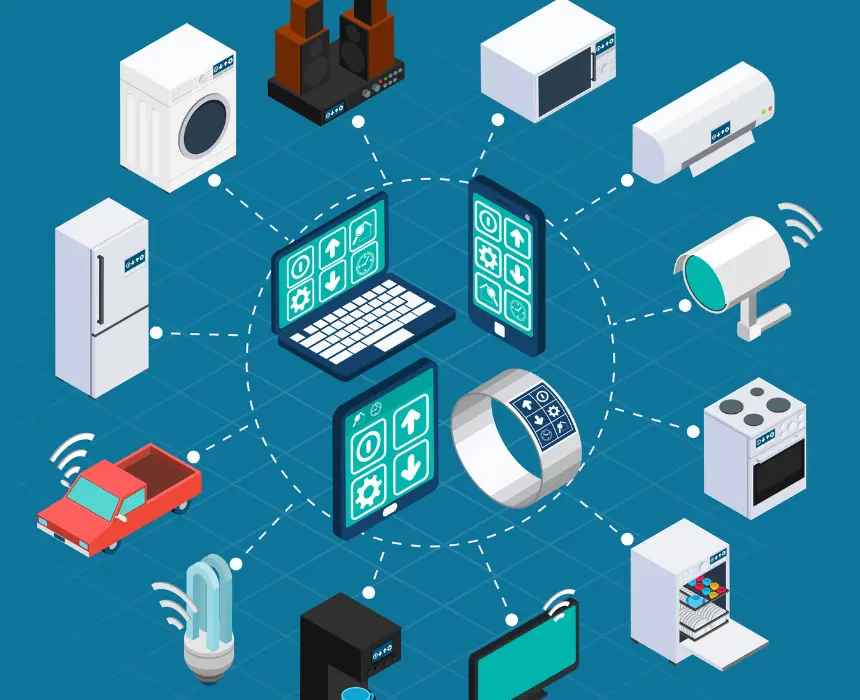
Our IoT development services cover firmware, hardware, and mobile apps for connected devices. We build battery-powered sensors, wireless gateways, and smart products with BLE, WiFi, and LoRaWAN connectivity. From prototype to production we deliver complete IoT solutions that is scalable and secured.
As an IoT development company, we design end-to-end systems including custom PCBs, embedded firmware, and cloud integration. Our engineers implement power optimization for multi-year battery life, OTA updates, and secure communication protocols. We have launched IoT products for global industries.
We specialize in low-power wireless firmware, AWS IoT and Azure integration, and sensor data processing. Your IoT product needs reliable connectivity, efficient power management, and remote device management. We provide complete source code, cloud infrastructure setup, and long-term maintenance.
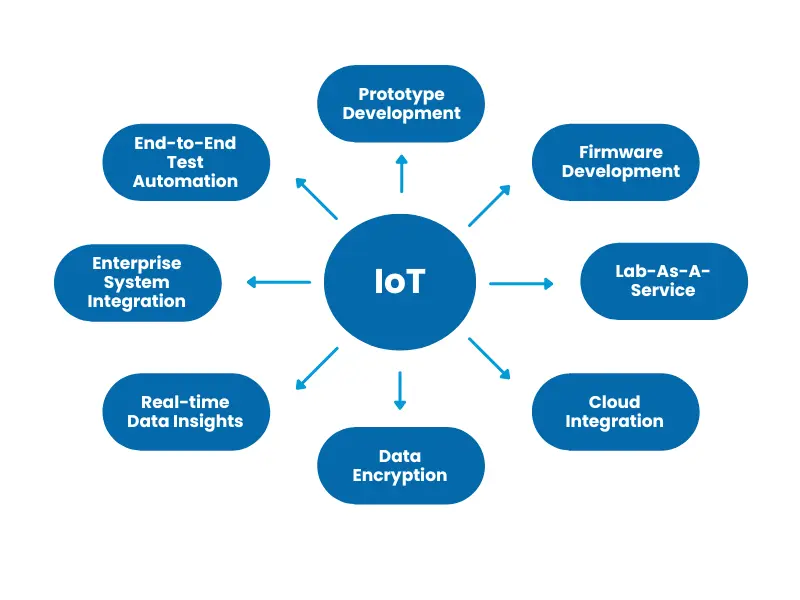
We cover every layer of the IoT stack from device hardware and firmware through connectivity protocols, cloud infrastructure, data pipelines, and the web and mobile applications your users and operators interact with. Every IoT system we build is designed to work reliably in the field, not just in a controlled lab environment.
Taking a connected product from concept to market requires hardware design, firmware engineering, connectivity integration, cloud infrastructure, and a user-facing application to all come together correctly and most IoT projects fail because those layers are built in isolation and integrated at the end when problems are most expensive to fix. We run IoT product development as a unified engagement covering every layer of the stack from hardware architecture, PCB design, firmware, cloud backend, and application with the hardware and software teams working in parallel from day one.
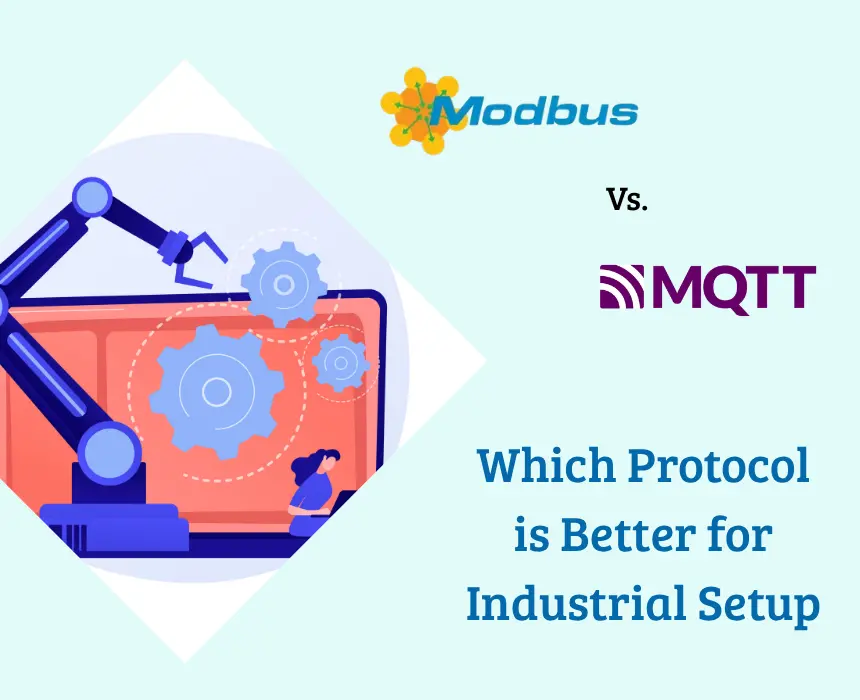
IoT devices generate data continuously but that data is only useful if the cloud backend can ingest it reliably at scale, store it efficiently, process it in near real-time, and expose it through APIs that your applications can consume. We design and build IoT cloud backends on AWS IoT Core, Azure IoT Hub, and GCP IoT — handling device provisioning, MQTT and HTTPS message ingestion, shadow documents for device state management, OTA update delivery, and time-series data storage.
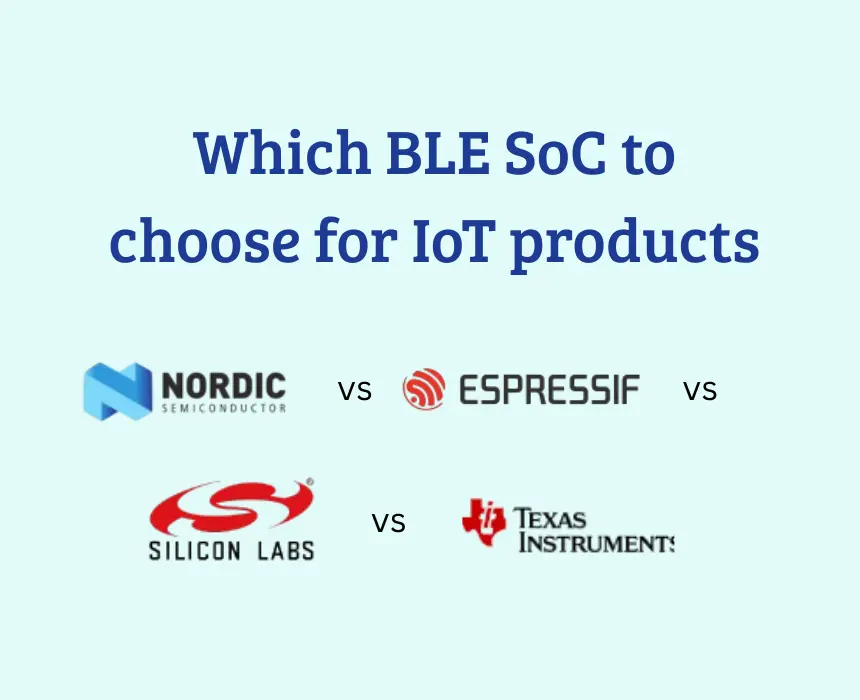
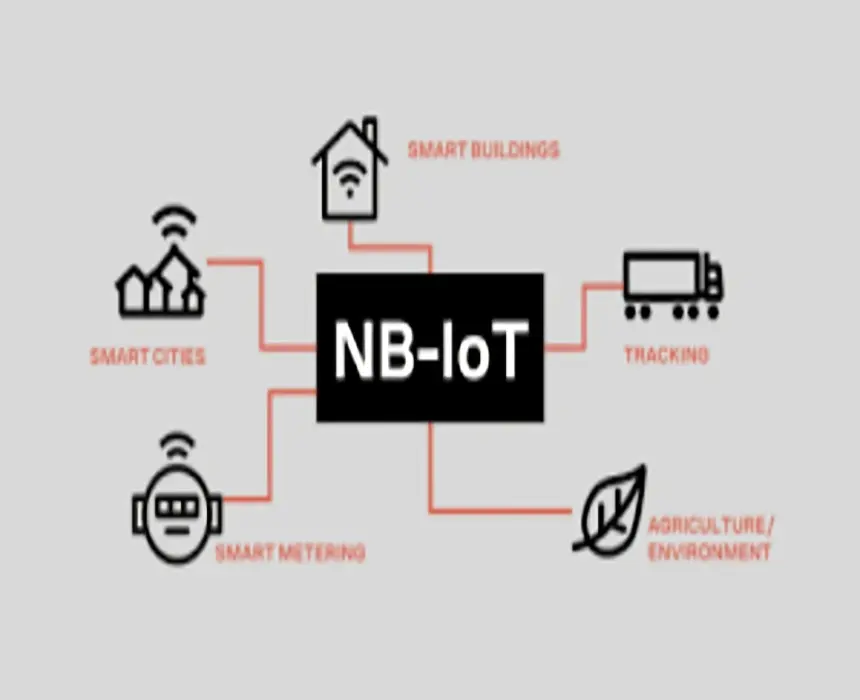
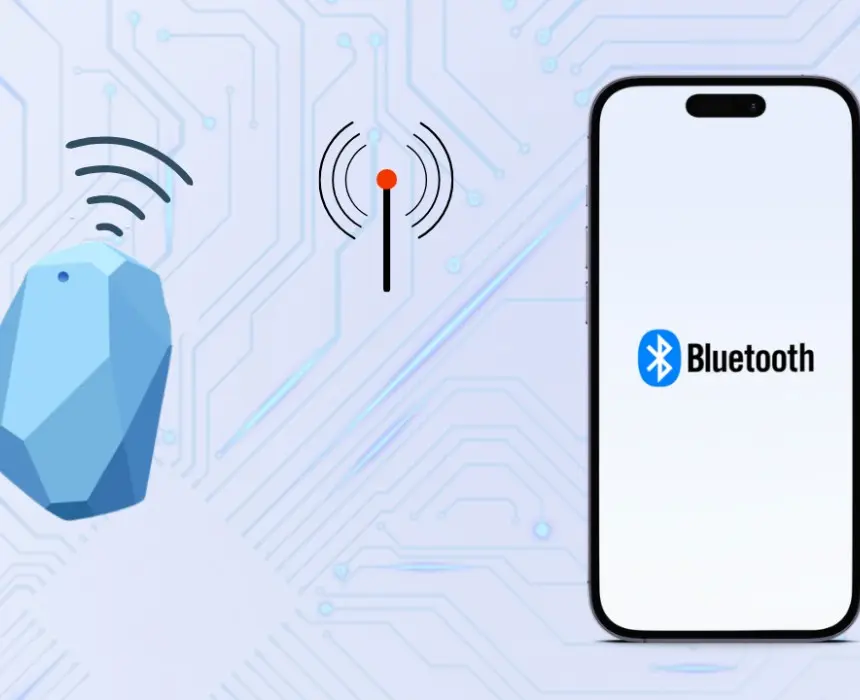
Choosing the wrong connectivity protocol for your IoT deployment is a decision that surfaces six months later as poor battery life, unreliable data delivery, or a network that does not reach where your devices are deployed. We select and implement connectivity based on your application actual requirements - BLE for short-range, low-power device communication; Wi-Fi for bandwidth-intensive indoor applications; LoRaWAN for long-range, low-power outdoor deployments; LTE-M and NB-IoT for cellular coverage where Wi-Fi is unavailable; and Zigbee, Thread, and Matter for mesh-networked smart home and building applications.
Raw device data is not insight. Turning high-frequency sensor readings into actionable operational intelligence requires a data pipeline that ingests, normalises, aggregates, and analyses data at the right cadence without dropping readings, introducing latency that makes alerts useless, or accumulating cloud costs that scale faster than your device fleet.
Sending every sensor reading to the cloud for processing is expensive, introduces latency that makes real-time control impossible, and creates a single point of failure when connectivity is unreliable. We design edge computing architectures that move the right processing to the right place — running inference models and threshold logic on the device, aggregating and filtering at the gateway, and sending only meaningful events and summaries to the cloud.
Most companies build part of the IoT stack. We build all of it and we coordinate the layers so the system works as a whole, not just as individual components that technically function in isolation.
Your IoT system architecture, firmware, cloud infrastructure, and application code are your IP. We sign a mutual NDA before any technical discussion and transfer the complete deliverable package at project completion — source code, hardware design files, cloud configuration, documentation, and test suites.
IoT security that only exists in the cloud backend is not IoT security. We implement security at every layer - hardware root-of-trust, encrypted firmware, PKI-based device identity, secure OTA delivery, TLS-encrypted cloud communication, and backend access controls. No layer is assumed to be trusted by the layer above it.
Battery life is determined by decisions made at every layer - hardware component selection, peripheral power management, firmware execution model, and cloud communication frequency. We manage power budget as a cross-layer constraint throughout the design, not as a firmware optimisation pass at the end.
We test IoT systems in conditions that resemble real deployments - variable network quality, temperature and humidity extremes, concurrent device load at production scale, and failure injection to verify recovery behaviour. A device that works in the lab is not a device that works in the field.
We choose connectivity protocols based on the actual deployment environment - range, power budget, bandwidth requirements, infrastructure availability, and regulatory constraints. We do not default to Wi-Fi because it is familiar or BLE because the previous project used it.
Hardware, firmware, connectivity, cloud backend, data pipeline, and application - one team, one engagement, one point of accountability. The integration problems that sink most IoT projects happen when these layers are owned by different vendors who do not communicate. We eliminate that risk by owning the full stack.
We offer embedded hardware, embedded software, app development and AI development services as we are full stack product engineering company.
We offer custom AI development, ML applications and embedded-AI integration.
More DetailsWe develop custom web app for industries like healthcare, manufacturing, consumer electronics products etc.
More DetailsWe develop custom mobile app in IoT, wearables, healthcare in android, iOS and cross platform.
More DetailsWe develop custom IoT firmware, OTA integration, linux and RTOS based development, BSP development, hardware-firmware integration, kernel and bootloader development.
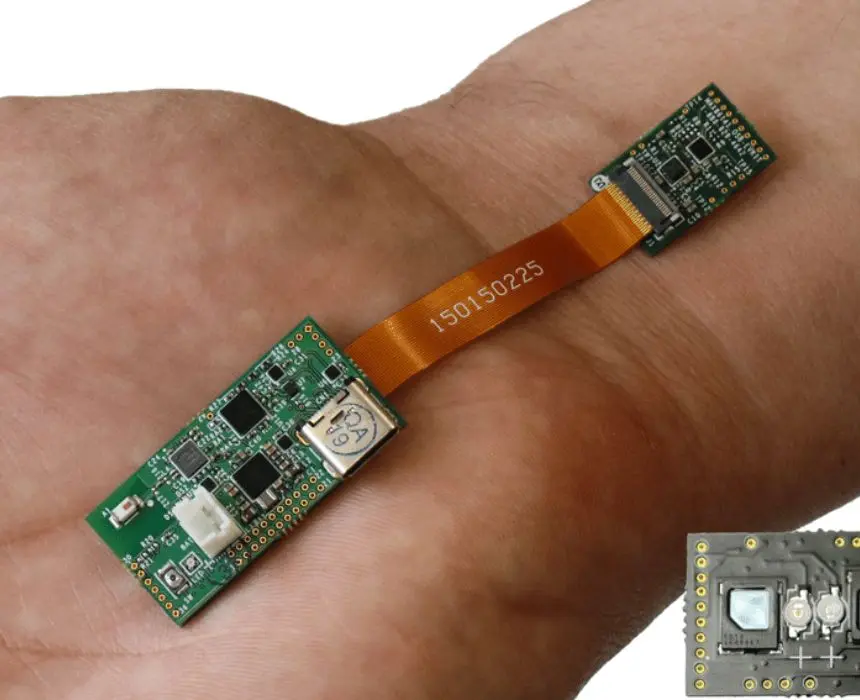
More DetailsWe develop custom hardware, from schematic design to layout design, BOM optimization, EOL management and hardware design review.
More DetailsWe follow a structured, milestone-driven IoT development process from technical discovery to field deployment covering every layer of the stack with clear deliverables and sign-off at each phase.
1
We map your device requirements, connectivity environment, data volume, cloud integration needs, regulatory constraints, and existing infrastructure. We come out with a documented IoT system architecture from device layer, connectivity layer, cloud layer, and application layer reviewed and agreed before any development work begins.
2
We define the full IoT stack architecture and build a proof of concept validating the riskiest technical assumptions - wireless range, battery life, data throughput, latency, and cloud integration — before committing to full development. PoC findings shape the production architecture.
3
PCB schematic and layout, component selection with supply chain review, prototype fabrication and bring-up, and firmware development run in parallel - coordinated between our hardware and firmware teams so peripheral pinouts, power management strategy, and OTA architecture are aligned from the start.
4
IoT cloud backend, device management platform, data pipeline, and user-facing web and mobile applications are built in parallel with the firmware with integration testing on real hardware at every sprint rather than a big-bang integration at the end. APIs are defined and versioned before frontend development begins.
5
End-to-end system testing with production-representative hardware in realistic deployment conditions — network variability, temperature extremes, concurrent device load, OTA update delivery, and failure recovery. We test what actually breaks in the field, not what the lab environment allows.
6
Manufacturing handover package, production firmware flashing verification, cloud infrastructure scaling configuration, monitoring and alerting setup, and a structured post-deployment support arrangement. Most clients move into a retainer for firmware updates, cloud infrastructure management, and application feature development after initial deployment.


To start the project with us, you have to connect with us via email or phone. Then we will understand your goals, vision and product engineering requirements. After that we will sign NDA and offer quotation. After budget plan and timeline decision, your project will be started.
IoT product cost is depends on various factors like technology selection, application level, type of projects, complexity levels. Each and every project cost is different based on customer business goals. You can consult with us if you want to develop the product or want to take a second opinion.
CoreFragment Technologies has solved complex challenges in real time data accuracy, integration challenges, protocol mismatch, technology selection challenges in areas like commercial IoT, Industrial IoT, Medical IoT etc. You can trust us with our 10+ years of IoT development experience as a IoT development company.
CoreFragment Technologies have experienced team in IoT domain from 3+ years to 12+ years o industry experience. We have worked across medical IoT, consumer IoT, industrial IoT, wearables. With diverse experience in the field you can trust us for best product engineering services.