- April 04, 2025
Summarize with AI
Not enough time? Get the key points instantly.
Get summary:
Introduction
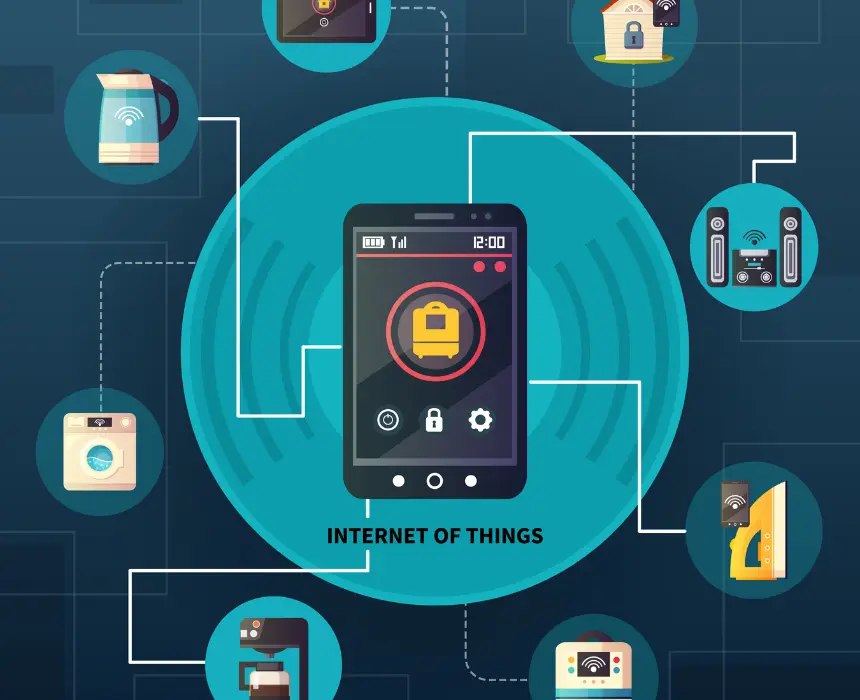
Smart home technology has come a long way, but one challenge has persisted: interoperability. Devices from different brands often struggle to work together seamlessly. Enter Matter, a universal protocol designed to simplify smart home connectivity and ensure all devices can communicate effortlessly.
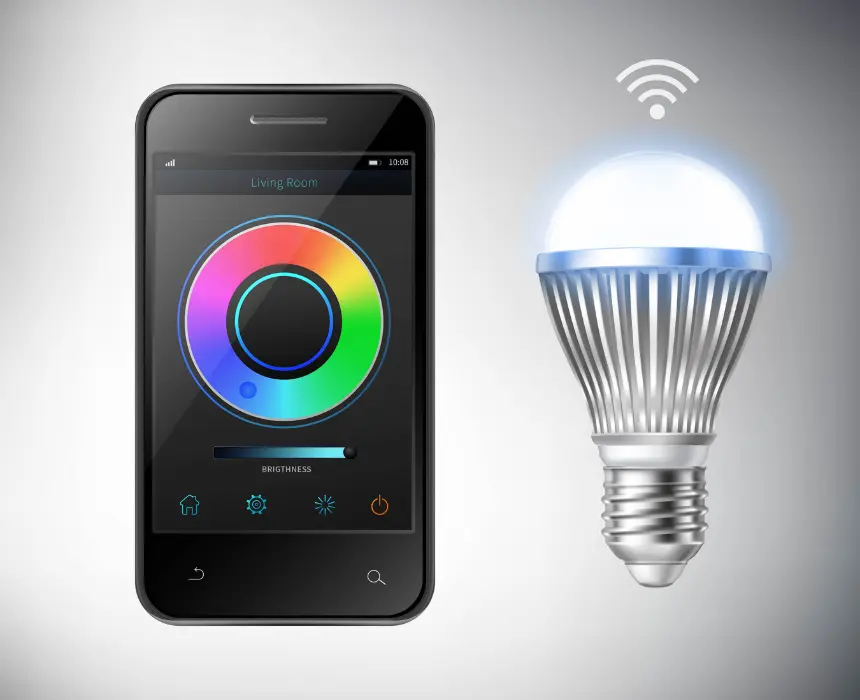
Imagine controlling your lights, thermostat, and security cameras from a single app, regardless of their brand. Matter makes this possible by unifying smart home ecosystems. Backed by tech giants like Apple, Google, and Amazon, it is transforming the way we interact with connected devices.
History of Matter
Matter originated in December 2019 as Project CHIP (Connected Home over IP), initiated by Amazon, Apple, Google, Samsung SmartThings, and the Zigbee Alliance (now Connectivity Standards Alliance). The first version launched in October 2022 as an open-source standard designed to unify smart home ecosystems.
Since its inception :
- Major updates have expanded its compatibility with diverse device types.
- Industry giants have adopted it as the go-to protocol for smart home connectivity.
Core Features of Matter Protocol
Interoperability:
Matter ensures seamless communication between devices from different manufacturers.
IP-Based Communication:
Built on Internet Protocol (IP), it supports Wi-Fi, Thread, and Ethernet networks for reliable connections.
Enhanced Security:
Includes features like end-to-end encryption and authenticated device pairing for robust protection.
Multi-Platform Support:
Works with major ecosystems like Apple HomeKit, Google Assistant, and Amazon Alexa.
Backward Compatibility:
Older devices can be updated to support Matter via firmware updates.
Why Was Matter Developed for Smart Homes?
Matter was created to address the fragmentation in the smart home industry. Previously, devices often required separate apps or hubs for operation. Its development aimed to:
- Simplify User Experience: Allow consumers to control all devices through a single app or ecosystem.
- Encourage Collaboration: Provide a unified standard for manufacturers to innovate together.
- Support Scalability: Enable seamless integration of both low-power sensors and high-bandwidth devices like cameras.
Latest Version: Matter 1.4
The latest iteration of the protocol, Matter 1.4, was released on November 7, 2024. Key features include:
- Expanded Device Support: Now includes energy management devices like solar panels, heat pumps, and water heaters.
- Improved Network Infrastructure: Home routers can act as both Wi-Fi access points and Thread border routers for more reliable connectivity.
- Enhanced Multi-Admin Support: Makes it easier for multiple users in a household to manage smart home devices collaboratively
Use Cases and Examples
The versatility of Matter is evident in its wide range of applications:
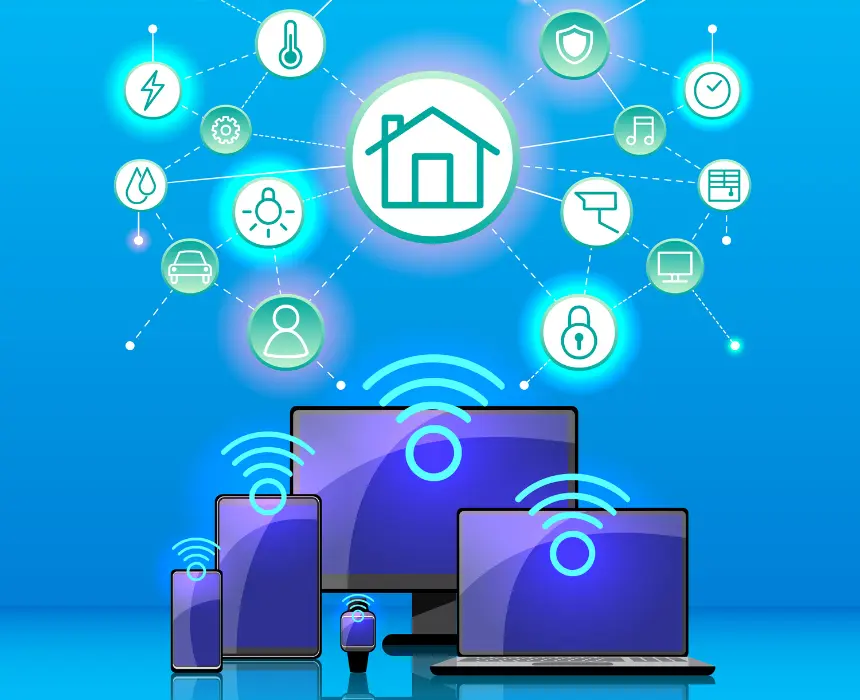
- Home Automation: Control lights, thermostats, and blinds from a single interface.
- Energy Management: Integrate solar panels, EV chargers, and heat pumps for efficient energy use.
- Security Systems: Use Matter-certified cameras, door locks, and sensors for enhanced safety.
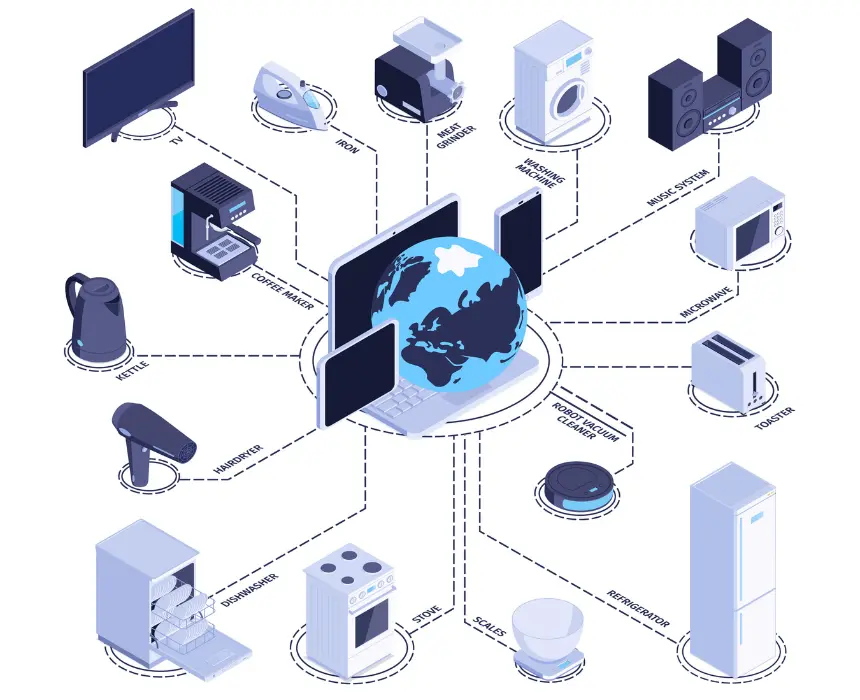
- Appliance Control: Manage refrigerators, washing machines, and robot vacuums effortlessly.
Conclusion
Matter is revolutionizing smart homes by solving longstanding issues of fragmentation and compatibility. With its latest version 1.4 introducing expanded device support and improved networking capabilities, it continues to push boundaries in interoperability. Whether you are managing energy-efficient appliances or automating security systems, Matter ensures everything works seamlessly together. As adoption grows globally across industries and households alike, this protocol is paving the way for a truly unified smart home experience—one where convenience meets innovation effortlessly.
Author
Have Something on Your Mind? Contact Us : info@corefragment.com or +91 79 4007 1108

Related articles