- April 20, 2026
Summarize with AI
Not enough time? Get the key points instantly.
Get summary:
Introduction
Building an IoT app sounds exciting until you try to estimate the IoT app development cost.
One vendor gives you a rough estimate, another gives a completely different range, and suddenly, there is no clear benchmark to rely on. That uncertainty is what most businesses struggle with.
IoT app development is not just about developing an app. It involves connected devices, cloud infrastructure, real-time data processing, and secure communication between multiple systems. Each layer adds complexity, which directly impacts cost.
In 2026, this complexity is growing faster than ever. With technologies like edge computing, 5G, and AI integration, IoT systems are becoming more powerful but also more demanding to build and scale.
According to an industry report by the FBI, the global IoT market value is expected to reach over $5,552.48 billion by 2034, showing how fast this space is growing and how critical the right investment decisions have become.
So the real question is not just how much IoT app development costs, but what actually drives that cost.
In this guide, we will break down IoT app development costs in a practical way. You will understand how pricing is structured, what factors influence it, where hidden expenses appear, and how to plan your investment with clarity.
So, without any further delay. Let’s get started!
IoT App Development Cost Overview
There is no fixed IoT app development cost, as every project depends on its system complexity. Even apps that look similar can have very different budgets based on how they are built.
At a high level, IoT app development cost is driven by the number of connected devices, the amount of data being processed, and how many systems need to work together in real time.
What starts as a simple setup can scale quickly once you add cloud infrastructure, real-time analytics, and automation, which naturally increases the overall cost.
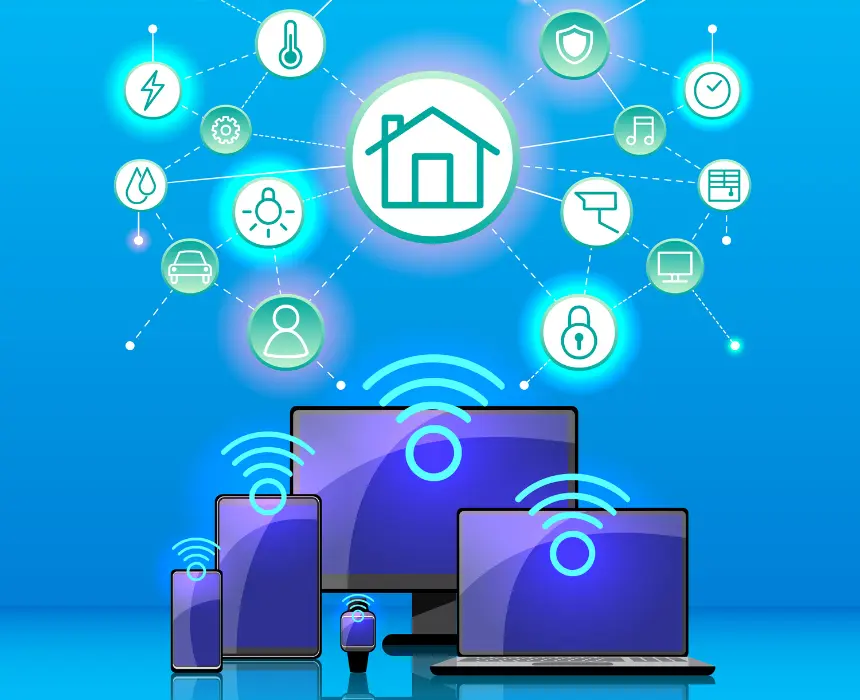
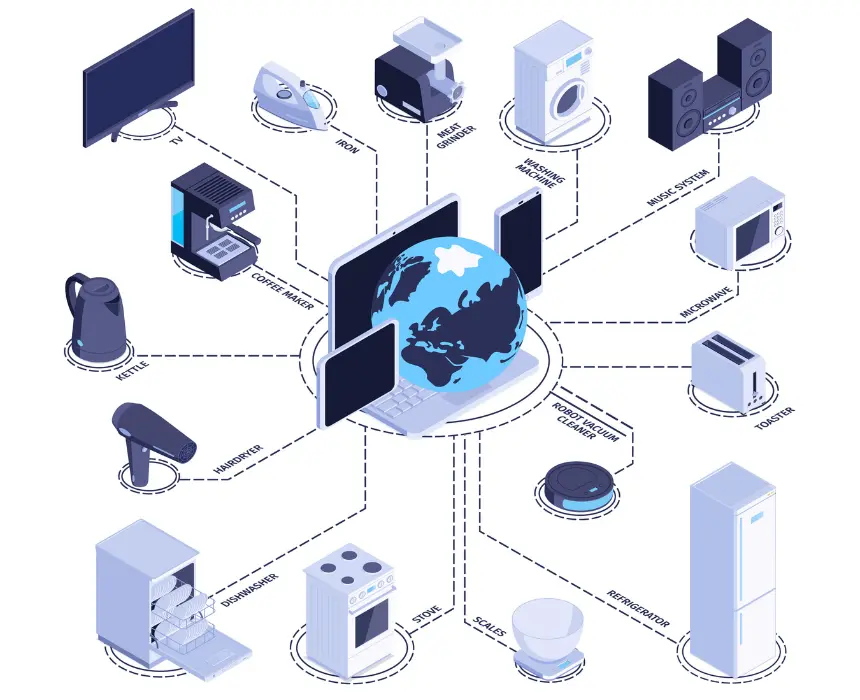
IoT is not just an app; it is a complete ecosystem where devices, backend systems, data pipelines, security, and user interfaces all work together.
Because of this, even small changes in features or scope can significantly impact the total budget.
Industry-Specific IoT App Cost Considerations
Each industry brings its own challenges, like compliance, scale, device environment, and data sensitivity, which directly impact both development effort and overall budget.
Here’s how it actually varies in real-world scenarios:
1. Healthcare and MedTech IoT
These apps handle sensitive patient data and real-time monitoring, where accuracy and security are critical, so development involves strict compliance, encryption, and extensive testing, which increases effort and cost.
Average Cost: $40,000 - $300,000+, even small systems require reliability and regulatory compliance
2. Manufacturing and Industrial IoT
Industrial IoT focuses on machine monitoring, predictive maintenance, and automation, often working with legacy systems and rugged hardware in demanding environments.
Average Cost: $80,000 - $500,000+, for complex systems needing edge computing and near-zero downtime
3. Logistics and Transportation IoT
These solutions are built for real-time tracking of fleets and assets across locations, requiring continuous data flow, GPS integration, and high accuracy.
Average Cost: $100,000 - $500,000+, managing large-scale connectivity and supply chain integration
4. Smart Homes and Consumer IoT
Consumer IoT apps focus more on usability and seamless device control through mobile apps, with features like scheduling, automation, and voice integration.
Average Cost: $20,000 - $60,000, lower complexity than enterprise, but user experience remains critical
5. Agriculture IoT
Agriculture IoT solutions monitor environmental conditions like soil, weather, and crop health, often operating in remote areas with limited connectivity.
Average Cost: $40,000 - $120,000, moderate complexity from sensors, efficient data, and predictive insights
It is also important to look beyond development, as ongoing costs like cloud usage, maintenance, security updates, and scaling play a major role in the overall investment.
IoT App Development Cost Breakdown by Complexity
Here are the key elements that define IoT app development cost based on complexity:
1. Basic IoT Applications (MVP Level)
These apps are built for simple use cases with limited device connectivity, basic dashboards, and minimal automation. They are ideal for testing ideas or launching early versions without heavy infrastructure.
Average Cost: $20,000 to $50,000
2. Mid-Scale IoT Solutions
These applications support multiple devices, real-time data processing, and structured user management with cloud integration. As the system becomes more interactive and data-driven, backend complexity and development effort increase significantly.
Average Cost: $40,000 to $100,000
3. Enterprise-Grade IoT Platforms
These systems operate at scale with large device networks, advanced analytics, automation, and strict security standards. They require strong architecture, continuous optimization, and high-performance infrastructure to handle complex operations.
Average Cost: $100,000 to $300,000 or more
4. Feature Scope and Functionality
The more advanced features you add, such as real-time dashboards, AI-driven insights, or multi-platform support, the more development effort is required. Each additional capability increases system complexity and directly impacts the overall cost.
5. Hardware and Sensor Integration
Integrating devices, sensors, and custom communication protocols adds another layer of complexity to the system. Firmware compatibility, APIs, and real-time connectivity handling can significantly increase development time and budget.
6. Security and Compliance Requirements
IoT systems handle sensitive data, so implementing encryption, authentication, and compliance standards becomes essential. These security layers add both technical effort and cost, especially for industries like healthcare or finance.
7. Maintenance and Ongoing Costs
Development is only part of the investment, as ongoing costs like cloud usage, updates, and performance optimization continue after launch. These expenses typically account for 15 to 25% of the initial development cost annually.
IoT App Development Cost by Development Stages
If you are planning an IoT app, here’s the reality, your budget will not go into one place. It will be split across stages, and each stage solves a different problem.
Let’s take a practical look at how this works:
Stage 1. Discovery and Planning (2–8 weeks)
This stage turns your idea into a clear execution plan by defining use cases, device interactions, data flow, and overall system architecture. It also includes feasibility analysis to ensure your solution will work in real-world conditions and not just on paper.
Average Cost: $5,000 - $10,000, essential for a clear scope and smooth execution
Stage 2. Hire a Specialized IoT partner
At this stage, many businesses realize that IoT development is not just about design or code; it is about connecting devices, data, and user experience into one seamless system. This is where working with a specialized IoT app development partner like CoreFragment becomes important, especially when decisions made early can directly impact long-term cost and scalability.
Average Cost: $25 - $60/hour for hiring an experienced IoT partner
Stage 3. UI/UX Design and Prototyping (3–6 weeks)
Once the foundation is set, the focus shifts to how users will interact with your IoT system through mobile apps or dashboards. Since IoT deals with real-time data, the design must be clean, intuitive, and easy to navigate without overwhelming users.
Average Cost: $10,000 - $20,000, depending on interface complexity and iterations
Stage 4. Development and Integration (4–9 months)
This is where the actual product gets built, including frontend apps, backend systems, APIs, cloud infrastructure, and device communication. The biggest challenge here is integrating hardware with software while ensuring smooth, real-time data exchange.
Average Cost: $50,000 - $200,000 or more, depending on project complexity and scale
Stage 5. Testing and Quality Assurance (2–4 months)
Unlike regular apps, IoT solutions must be tested across devices, networks, and unpredictable real-world environments. This stage ensures system stability, data accuracy, device compatibility, and security compliance.
Average Cost: $15,000 - $30,000, depending on testing depth and devices.
Stage 6. Deployment and Ongoing Maintenance (Ongoing)
Launching the app is just the beginning, as IoT systems require continuous monitoring, updates, and scaling over time. This includes cloud management, performance optimization, bug fixes, and adapting to new devices or user growth.
Average Cost: $10,000 - $20,000 for initial deployment and annual maintenance, 15 to 25% of total cost.
7 Core Cost Components of an IoT App Development
Here are the seven core components of IoT app development:
1. Device and Hardware Layer
This is where everything starts. Sensors, actuators, microcontrollers, and gateways collect real-world data and trigger actions. Costs vary based on device type, accuracy, and durability, especially in industrial or healthcare use cases where reliability is critical.
2. Connectivity and Network Infrastructure
Devices need a stable way to communicate. Whether it’s WiFi, Bluetooth, LPWAN, or cellular networks, each option comes with trade-offs in cost, power usage, and coverage. Supporting multiple communication protocols increases both development effort and long-term operational cost.
3. Cloud and Backend Systems
This is the brain of your IoT system. It handles data ingestion, processing, storage, and device management. Costs depend on data volume, real-time processing needs, and scalability requirements, and poor architecture decisions here can quickly inflate expenses.
4. Data Storage and Analytics
IoT systems generate massive amounts of data. Storing, filtering, and analyzing this data requires databases, analytics engines, and sometimes AI models. Real-time analytics and predictive insights significantly increase both infrastructure and development costs.
5. Application Layer and User Interface
This is what users interact with: mobile apps, dashboards, or web platforms. Simple monitoring dashboards cost less, while advanced platforms with automation, reporting, and role-based access increase design and development effort.
6. Integration with Existing Systems
Most IoT solutions don’t work in isolation. They connect with ERP, CRM, or internal tools. Building APIs, syncing data, and handling legacy systems adds hidden complexity and often becomes an underestimated cost factor.
7. Security and Compliance Framework
IoT expands the attack surface. Security includes encryption, authentication, device identity management, and compliance with standards like GDPR or industry regulations. Ignoring this early leads to higher costs later through fixes and risks.
To understand what tools are commonly used behind these systems, you can take a quick look at this guide on the best IoT product development tools.
5 Key Factors That Influence IoT App Development Cost
Let’s take a closer look at the five key factors that actually decide whether your budget stays controlled or scales faster than expected:
1. Feature Scope and Customization Level
Every IoT project starts simple on paper, but the moment you add custom workflows, automation, or advanced analytics, the scope expands quickly. A highly customized app built around specific business needs always costs more than a standard solution because it requires tailored architecture, development, and testing. The more unique your use case is, the more effort goes into building and maintaining it.
2. Hardware Integration Complexity
Not all IoT systems deal with the same type of devices, and that’s where cost variation becomes significant. Integrating multiple sensors, handling different communication protocols, and ensuring firmware compatibility requires deep technical effort. If your solution involves custom hardware or industrial-grade devices, development becomes more time-intensive and directly increases the overall budget.
3. Platform Selection (iOS, Android, Web)
Choosing where your app will run has a direct impact on IoT app development cost and development time. Building separate native apps for iOS and Android requires more resources compared to starting with a single platform or using cross-platform frameworks. Adding web dashboards or admin panels further expands the scope, making platform strategy an important cost decision early on.
4. Development Team Structure and Location
The cost of building an IoT app also depends heavily on who is building it. A team with experienced IoT engineers, cloud architects, and UI/UX specialists will charge more, but they reduce risks and rework. At the same time, development rates vary by region, with North America and Europe being more expensive compared to offshore teams, which creates a major difference in total project cost.
5. Third-Party Integrations and APIs
Modern IoT apps rarely operate in isolation; they connect with external tools like analytics platforms, voice assistants, payment systems, or enterprise software. Each integration adds development effort, testing complexity, and sometimes ongoing subscription costs. The more systems your app needs to communicate with, the more your costs increase over time.
Read More: Before finalizing your setup, it also helps to explore which IoT platforms are commonly used for stable and scalable connectivity in real-world applications.
Hidden and Ongoing Costs in IoT App Development
Let’s take a look at the costs that usually stay hidden until they start impacting your budget:
1. Cloud Usage and Data Growth Costs
As your IoT system scales, data keeps flowing every second, and cloud storage, processing, and bandwidth costs grow with it. What starts as a manageable expense can quickly turn into a major monthly cost if data retention and optimization are not planned early.
2. Continuous Maintenance and System Updates
IoT apps are never “done” after launch; they require regular updates for performance, security patches, OS compatibility, and backend tuning. This ongoing effort typically adds 15–25% of the initial development cost annually, making it a critical long-term budget factor.
3. Security Monitoring and Risk Management
With multiple connected devices, IoT systems are more exposed to security risks, which means continuous monitoring, vulnerability fixes, and encryption updates are required. Ignoring this can lead to costly breaches, downtime, and long-term reputational damage.
4. Device Lifecycle and Hardware Replacement
IoT hardware does not last forever; devices degrade, batteries fail, and newer versions replace older ones over time. Managing device upgrades, replacements, and compatibility adds recurring costs that are often missed during initial planning.
5. Integration Maintenance with External Systems
Once your IoT app is connected with ERP, CRM, or third-party tools, maintaining those integrations becomes an ongoing task. API changes, system updates, or version mismatches can require continuous fixes, adding hidden technical and financial overhead.
6. Training and Operational Adoption Costs
Your team needs to understand how to use and manage the IoT system effectively, which involves training, onboarding, and process adjustments. These costs may seem small initially, but they scale with team size and system complexity over time.
7. Downtime, Failures, and Opportunity Loss
Unexpected system failures or connectivity issues can disrupt operations, especially in industrial or real-time environments. Even short downtime can lead to financial losses, making reliability investment just as important as development itself.
8. Scope Changes and Feature Expansion
Most IoT projects evolve after launch as new requirements, features, or integrations are added based on real usage. These changes increase development effort beyond the original plan and can significantly stretch the overall budget if not controlled.
How to Reduce IoT App Development Costs Without Compromising Quality?
Higher IoT app development cost doesn’t always mean better results. The real difference comes from how strategically you plan and execute the project.
Here’s how to optimize IoT app development cost without affecting performance or quality:
1. Start with an MVP Approach
Instead of building a full system up front, focus on core features that solve the main problem and launch faster. This keeps the initial cost between $10,000 to $50,000 while giving real user feedback early. It also prevents wasting budget on features that may not be needed later.
2. Use Existing Frameworks and APIs
Developing everything from scratch increases IoT app development cost and delays delivery without real benefits. Using proven libraries, APIs, and open-source tools can reduce development effort by 15–20% while maintaining reliability. This approach helps teams move faster without compromising system stability.
3. Choose Cloud Over Custom Infrastructure
Building your own infrastructure requires high upfront investment and ongoing maintenance. Cloud platforms offer flexible, usage-based pricing, making it easier to control costs as your system grows. This ensures you only pay for actual usage instead of over-investing early.
4. Build a Scalable System Architecture
A system not designed for growth becomes expensive to rebuild later. Planning scalability from the beginning allows you to handle more devices, data, and users without major changes. This avoids future redevelopment costs and keeps long-term investment under control.
5. Work with the Right Development Team
Low-cost teams can increase risk through poor architecture, bugs, and rework. Experienced IoT developers may cost more upfront, but reduce long-term expenses by building the system correctly from the start. This balance directly impacts overall project efficiency and cost.
6. Avoid Unnecessary Feature Expansion
Adding too many features increases development time, testing effort, and maintenance complexity. Focusing only on essential functionalities keeps the system lean and cost-effective. This approach also improves product clarity and speeds up time to market.
7. Optimize Hardware and Connectivity Choices
Choosing standard devices and efficient communication protocols helps control both development and operational costs. Custom hardware or complex connectivity setups increase integration effort and long-term expenses. Smart decisions here directly impact the total cost of ownership.
8. Follow Agile Development Practices
Agile development allows continuous feedback and early issue detection during the build process. This reduces costly rework that usually happens in later stages of development. It also keeps the project aligned with actual business needs and timelines.
9. Implement Security from the Start
Adding security later increases cost due to rework and potential system redesign. Building secure architecture from the beginning prevents vulnerabilities and compliance issues. This reduces the risk of expensive fixes and protects long-term system reliability.
10. Continuously Monitor and Optimize Costs
Cost control does not stop after deployment; it continues with monitoring usage, performance, and system efficiency. Identifying unnecessary resource usage helps reduce ongoing expenses over time. This ensures your IoT system remains cost-efficient as it scales.
How to Choose the Right IoT App Development Partner?
Choosing the right partner is as important as the project at hand. Here’s how you should evaluate any IoT partner:
1. Proven IoT Experience That Matches Your Use Case
Not every software team understands IoT at a system level, so look for partners who have built real-world solutions involving devices, cloud, and integrations. Experience in similar industries reduces trial-and-error, which directly saves both time and budget.
2. Strong Understanding of Hardware + Software Integration
IoT is not just apps; it is how devices, firmware, and backend systems communicate in real time. A team that lacks hardware understanding often causes delays, integration failures, and unexpected cost spikes during development.
3. Clear Development Process and Timeline Visibility
A structured approach with defined timelines, milestones, and deliverables keeps the project predictable. Without this clarity, projects stretch beyond deadlines, increasing IoT app development cost due to extended development cycles and rework.
4. Security and Scalability Built from the Start
Fixing security or scaling issues later is always more expensive than planning them early. The right partner focuses on secure architecture and future scalability from day one, preventing costly rebuilds as your system grows.
5. Transparent Pricing and Cost Breakdown
Hidden costs usually come from vague estimates and unclear scope definitions. A reliable partner provides detailed cost breakdowns, helping you understand where your investment is going and avoid unexpected budget expansion.
6. Capability to Handle End-to-End Development
Working with multiple vendors increases coordination issues and integration risks. A partner who can manage everything from device connectivity to app development reduces complexity, saving both time and operational cost.
7. Communication and Problem-Solving Approach
Poor communication is one of the biggest hidden cost drivers in IoT projects. A team that provides regular updates, clear documentation, and proactive problem-solving prevents misunderstandings that lead to expensive delays.
Why Partner with Core Fragment for IoT App Development?
Choosing the right IoT partner directly impacts how well your product performs after launch, not just how it looks during development.
That’s where Core Fragment focuses differently, building systems that actually hold up in real-world conditions.
Why partner with us?
10+ Years of Industry Experience
12+ Countries Served Globally
110+ Successful Projects Delivered
Proven Experience in IoT Solutions
End-to-End Development Capability
Scalable and Secure Architecture Delivery
Transparent Costing and Long-Term Support
Not sure what your IoT app will actually cost?
Book your free consultation with our IoT experts and get a realistic cost estimate for your IoT app before you take any action.
Conclusion
IoT is no longer just about connecting devices; it is about building systems that deliver real value through data, automation, and smart decisions in real time. That is why cost is not just a number; it is a result of how well your system is planned and executed.
The solutions that actually work are not overloaded with features, but built with the right architecture, clear priorities, and a focus on long-term performance. Getting this balance right is what keeps both cost and complexity under control.
We hope this guide gives you a clear understanding of IoT app development cost, what drives it, and how to plan your investment without confusion.
Still unsure about your IoT app cost? Connect with our IoT experts and get a clear estimate tailored to your idea.
Author
Have Something on Your Mind? Contact Us : info@corefragment.com or +91 79 4007 1108

Related articles