- February 03, 2026
Summarize with AI
Not enough time? Get the key points instantly.
Get summary:
Introduction:
The telecom industry is changing fast. It is no longer just about connectivity. It is becoming the backbone of a fully connected digital world.
And the Internet of Things (IoT) is driving this transformation. It moves them beyond being connectivity providers to becoming enablers of entire digital ecosystems.
Smart cities, connected healthcare, industrial automation, and energy optimization all rely on telecom networks.
For telecom leaders, this shift is significant. Rising network complexity, growing customer expectations, and pressure on margins demand smarter operations. Manual processes and reactive maintenance simply do not scale anymore.
IoT integration is not optional anymore. It is a competitive necessity.
IoT helps telecom operators move faster and think ahead. It improves efficiency, reduces costs, strengthens customer experience, and opens new revenue opportunities beyond basic connectivity.
In fact, a recent study shows that the global number of IoT devices is expected to reach 40.6 billion by 2034. Which clearly shows the fast-growing demand for IoT devices.
So, if you are seeing this shift and curious to know how IoT is reshaping telecom and what benefits it brings to the table, you are in the right place.
In this guide, you will discover:
What is IoT in telecom
Core technologies behind IoT in telecom
Top 10 benefits of IoT in telecom
Use cases of IoT in telecom
Common challenges and how to overcome them
Future trends shaping IoT-driven telecom
But first, let us begin with a basic understanding of IoT in telecom!
What Is IoT in Telecom?
IoT in telecom is the integration of connected devices with telecom networks to enable real-time data exchange, monitoring, and intelligent automation.
Simply put, telecom is the backbone of IoT. Without it, IoT devices cannot communicate at scale.
IoT, with AI integration allows telecom operators to monitor networks in real time, predict failures before outages happen, and optimize performance automatically.
Telecom networks provide the connectivity that lets millions of IoT devices communicate using technologies like 5G, NB IoT, and LPWAN.
Beyond connectivity, IoT enables new services such as smart cities, connected vehicles, industrial monitoring, and remote device management. It transforms telecom companies from basic network providers into intelligent digital service partners.
Some Core Technologies Behind IoT in Telecommunications:
Here are some core technologies you must know:
1. 5G Networks
5G enables ultra-low latency, high speed, and massive device connectivity. It is essential for running advanced IoT use cases at telecom scale.
2. LPWAN and NB IoT
LPWAN and NB IoT support long-range, low-power device communication. They are ideal for smart cities, utilities, and large-scale sensor networks.
3. Sensors and IoT Devices
Sensors collect real-world data from networks, infrastructure, and environments. This data is the starting point for all IoT intelligence.
4. Cloud Platforms
Cloud platforms store and analyze massive IoT data at scale. They make IoT operations flexible, scalable, and cost-efficient for telecom operators. We use AWS and Azure cloud majorly for IoT applications.
5. AI and Machine Learning
Artificial Intelligence and Machine Learning is supportive technology that can be integrated with IoT to make IoT data intelligent. AI turns IoT sensors collected data into predictive analytics, recommendations and automation. It helps telecom networks prevent failures, optimize performance, and improve efficiency.
10 Amazing Benefits of IoT in Telecom You Must Know
Here are 10 major benefits of IoT in Telecom:
1. Predictive Maintenance That Prevents Network Failures
Telecom outages rarely happen without warning. IoT sensors continuously track the health of towers, antennas, and network equipment. When something starts going wrong, rising temperature, power fluctuation, or unusual vibration, IoT detects it early. AI use this data and based on abnormal activities happens in the past, it predicts future maintenance schedules based on various data factors. This gives teams time to act before customers feel any impact. The result is fewer outages, lower repair costs, and far less firefighting.
2. Always Optimized Network Performance in Real Time
Network traffic is never constant. It changes by location, time, and user behavior. IoT gives telecom teams real-time visibility into how the network is actually performing. Congestion, weak signals, and bandwidth stress are spotted instantly.When combined with AI/ML pipeline or automated network orchestration, networks can then adjust automatically, keeping speeds stable and service quality consistent, even during peak usage.
3. Significant Reduction in Operational Costs
Running large telecom networks is expensive, especially when operations rely on manual checks and reactive fixes. IoT combined with AI reduces this burden by automating monitoring, inspections, and fault detection. Many issues can be identified and resolved remotely. This cuts down site visits, lowers labor costs, and makes daily operations far more efficient.
4. Expansion Into High Value Revenue Streams
IoT opens the door to business models beyond basic connectivity. Telecom providers can offer managed IoT services for smart cities, connected vehicles, industrial systems, healthcare, and utilities. These are long-term, high-value services that generate recurring revenue and position telecom companies as technology partners, not just network providers.
5. Proactive and Personalized Customer Experience
Customers notice reliability more than anything else. IoT helps telecom operators fix problems before users even report them. At the same time, usage data reveals how customers actually use services. This makes it possible to offer better plans, faster support, and more relevant experiences. Happier customers stay longer and churn less.
6. Data-Driven Strategic Decision-Making
Every network device produces valuable data. IoT turns this data into clear insights about network usage, customer behavior, and performance trends. Leadership teams can plan expansions, allocate budgets, and launch new services with confidence. Decisions are based on reality, not guesswork.
7. Smarter Energy Management and Sustainability
Energy costs are one of the biggest expenses in telecom operations. IoT enables real-time monitoring of power usage across towers and data centers. Operators can reduce fuel waste, optimize generator use, and cut unnecessary consumption. This lowers costs while supporting sustainability goals at the same time.
8. Real-Time Asset and Field Force Optimization
Telecom networks depend on thousands of physical assets and field engineers. IoT makes it easy to track equipment location, condition, and usage in real time. Field teams can be dispatched more smartly, assets are used more efficiently, and losses from theft or misplacement are reduced.
9. Stronger Network Security and Fraud Detection
Security threats often show up as unusual patterns before real damage happens. IoT continuously monitors network behavior and usage. When combined with advanced analytics and secure frameworks, it helps detect fraud, prevent unauthorized access, and protect sensitive data before issues escalate.
10. Scalable Foundation for 5G and Future Growth
5G networks are built for massive device connectivity. IoT combined with AI provides the intelligence needed to manage this scale smoothly. It ensures high-speed, low-latency communication across millions of devices. This makes telecom networks ready for future technologies, new industries, and long-term growth.
Key Use Cases of IoT in Telecom
Here are six major use cases of IoT in telecom:
1. Network Optimization and Self-Healing Networks
Telecom networks face constant pressure from changing traffic and growing demand. IoT helps operators see what is happening across the network in real time. When congestion or performance issues appear, the network can adjust automatically. Traffic is rerouted. Bottlenecks are reduced. This keeps services stable and reliable without constant manual intervention.
2. Predictive Network Maintenance
Most network failures give early warning signs. IoT sensors track equipment health across towers and infrastructure. Small issues are detected before they turn into outages. Maintenance teams can act in advance instead of reacting after failure. This reduces downtime, lowers repair costs, and improves overall network uptime.
3. Smart City and Public Infrastructure Enablement
Smart cities depend on always-connected systems. Telecom operators provide the backbone for IoT-powered traffic control, street lighting, waste management, and public safety systems. These solutions help cities operate more efficiently and respond faster to real-world situations. Telecom companies become long-term partners in urban development, not just connectivity providers.
4. Industrial IoT and Enterprise Monitoring
Industries rely on real-time data to run smoothly. Telecom operators enable IoT connectivity for factories, utilities, and logistics operations. Sensors track equipment performance, environmental conditions, and production status. This improves efficiency, reduces downtime, and supports automation. It also creates strong enterprise revenue opportunities for telecom providers.
5. Connected Homes and Consumer IoT Services
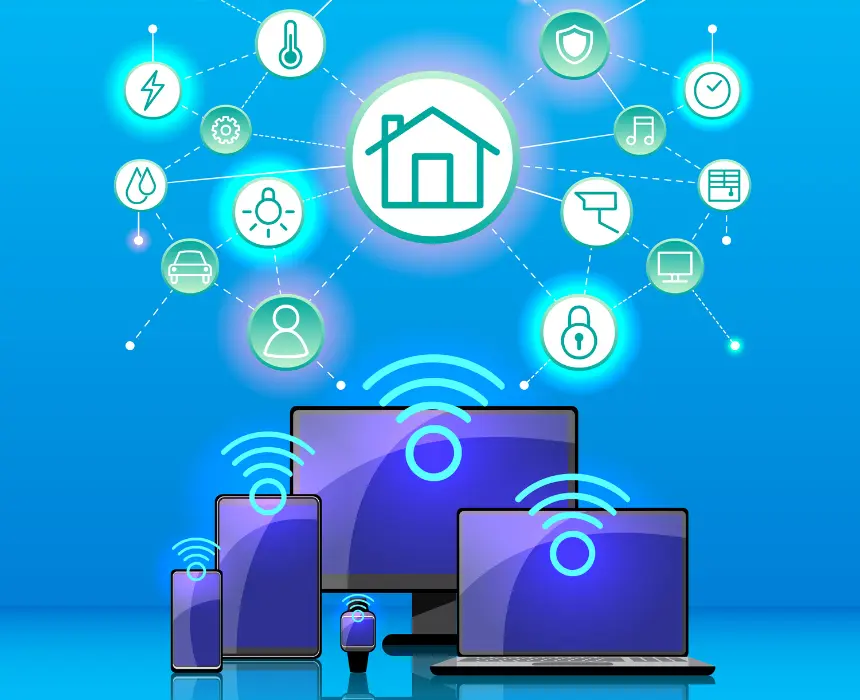
IoT allows telecom companies to offer smart home services that go beyond internet access. Customers can manage security, lighting, energy usage, and appliances from anywhere. These services improve daily convenience and increase customer loyalty. For telecom operators, they create recurring revenue and stronger customer relationships.
6. Fleet, Asset, and Location-Based Services
IoT makes it easy to track vehicles, equipment, and valuable assets in real time. Businesses can monitor location, usage, and condition at all times. Routes become more efficient. Telecom providers deliver these services through managed IoT platforms, expanding their role in transportation and logistics ecosystems.
Future Trends in IoT for Telecom
Let’s explore some future trends in IoT for telecom:
1. AI-Powered IoT and Self-Managing Networks
Telecom networks are becoming too complex to manage manually. AI combined with IoT helps networks monitor themselves, spot problems early, and fix issues automatically. This reduces outages and lowers operational effort. Over time, networks become smarter and more reliable with less human intervention.
2. Wider Adoption of 5G and 5G Advanced
5G is making large-scale IoT possible. It supports faster speeds, low delay, and massive device connectivity. As 5G Advanced rolls out, telecom operators can support advanced use cases like connected vehicles, remote healthcare, and industrial automation with better reliability.
3. Edge Computing for Real-Time Decisions
Many IoT applications need instant responses. Edge computing processes data close to where it is created instead of sending everything to the cloud. This reduces delay and improves performance. It is critical for use cases like smart factories, traffic systems, and public safety.
4. IoT as a Service for Enterprises
Businesses want IoT solutions without managing complex infrastructure. Telecom providers are now partnering with third party product engineering and cloud providers and offering end-to-end IoT services that include connectivity, device management, and analytics. This makes IoT easier to adopt and gives telecom companies steady, long-term revenue.
5. Green and Sustainable IoT Networks
Energy costs and environmental impact are growing concerns. IoT helps telecom operators monitor energy usage and reduce waste across towers and facilities. Green IoT focuses on efficient devices and smarter networks. This lowers costs and supports sustainability goals at the same time.
How CoreFragment Can Help with IoT Solutions in Telecom?
Building IoT solutions in telecom is complex. You need strong engineering, proven delivery, and the ability to scale without risk. That is where CoreFragment makes a real difference.
CoreFragment offers end-to-end product engineering across IoT, embedded systems, app development and AI. Everything is handled by one experienced team, from idea to launch and beyond.
Why Telecom Teams Trust CoreFragment?
10+ years of engineering experience in IoT and digital products
110+ products delivered across industries
Internationally trusted expertise with a strong delivery record
Still confused? Consult with us today to know which IoT technology is feasible for your smart telecom applications and see how CoreFragment can turn your idea into a reliable, market-ready product.
Conclusion
IoT has become a core driver of transformation in the telecom industry. It enables smarter networks, lower operational costs, better customer experiences, and new revenue opportunities beyond connectivity.
With the rise of 5G, edge computing, and AI, IoT is helping telecom operators move from reactive operations to intelligent, automated networks. From predictive maintenance to smart cities and enterprise solutions, the impact of IoT is both practical and strategic.
We hope this guide helped you clearly understand the benefits of IoT in telecom and how it is reshaping the future of connectivity.
If you are planning to adopt IoT in telecom, it is best to work with experienced IoT experts who can handle the complexity and deliver results without hassle.
Author
Have Something on Your Mind? Contact Us : info@corefragment.com or +91 79 4007 1108

Related articles