- January 19, 2026
Summarize with AI
Not enough time? Get the key points instantly.
Get summary:
Introduction :
IoT developers manage the full IoT lifecycle, from devices to cloud systems and ongoing support.
Architecture, security, and real-time data handling define IoT system success.
Businesses hire IoT developers for automation, faster delivery, and lower risk.
IoT developers need skills across hardware, software, networking, and cloud platforms.
The Internet of Things is now part of everyday business operations.
From smart homes and hospitals to connected vehicles and warehouses, companies heavily depend on IoT systems to track data, automate work, and make faster decisions.
This is where an IoT developer becomes critical. They build, secure, and manage IoT systems that businesses use every day.
The demand for skilled IoT developers is increasing rapidly. Recent reports show that the global IoT market is expected to reach $1.3 trillion by 2026.
For businesses planning to invest in IoT, knowing what you are really hiring when you are hiring an IoT developer is crucial.
In this blog, you’ll explore:
Who is an IoT developer
What you are really hiring when you are hiring an IoT developer
Benefits of hiring IoT developers
Where to find skilled IoT developers
But first, let’s start with a basic understanding of what IoT development means.
What is IoT development?
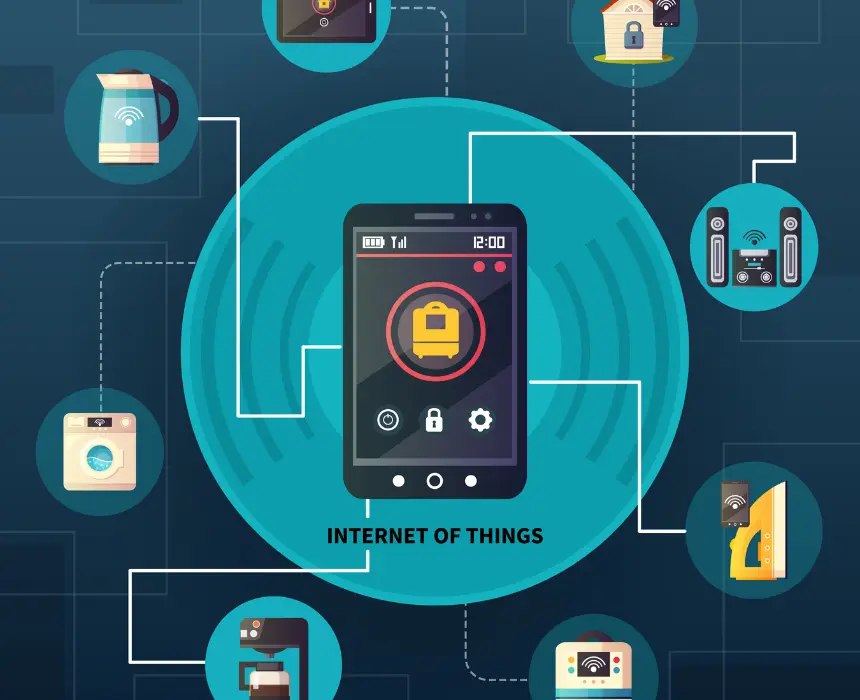
Internet of Things (IoT) development is the process of building software and systems that allow physical devices to collect data, connect to the internet, and perform actions based on certain events or controls.
The IoT development process combines:
Hardware integration
Firmware development
Network connectivity
Data management and security
Analytics and automation
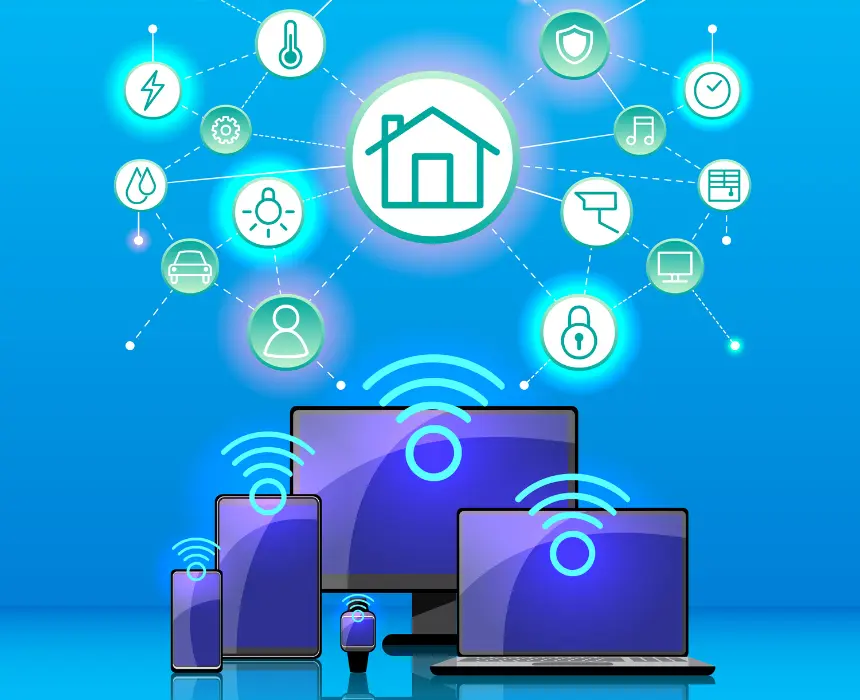
IoT systems play a key role in industries such as healthcare, smart homes, transportation, agriculture, and manufacturing by improving efficiency, enabling automation, and providing real-time monitoring.
Who is an IoT Developer?
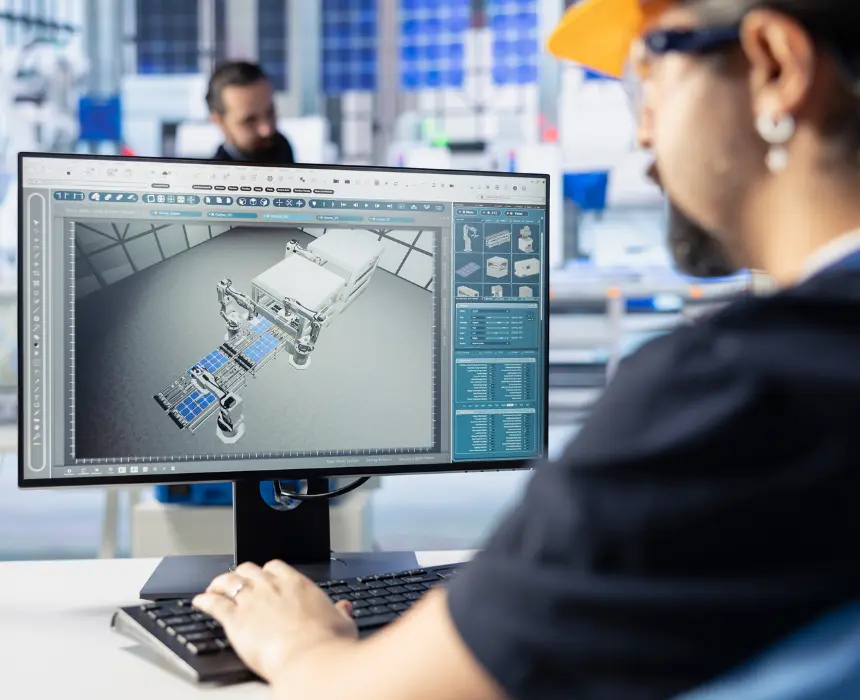
An IoT developer is a professional who designs and builds systems that make physical devices smart.
They bridge the gap between physical device and connectivity layers through networking protocols integration with the cloud.
In simple terms, an IoT developer connects the physical world with digital systems. So, they can collect data, communicate, and take action automatically.
IoT developers are responsible for building reliable, secure, and scalable IoT ecosystems. Their work covers device hardware, firmware, cloud applications, data pipelines, dashboards, and system security.
They use embedded systems, cloud platforms, connectivity protocols, and edge computing to ensure devices sense, communicate, process, and act efficiently.
From smart homes and wearable devices to industrial automation and connected vehicles, IoT developers build the foundation of modern smart technology.
What You are Really Hiring When You Hire an IoT Developer?
Here are 10 key responsibilities of an IoT developer:
1. Designing the Full IoT System Architecture
Every successful IoT project starts with a clear plan. Before a single line of code is written, an IoT developer designs the complete blueprint of how devices, networks, and cloud platforms will work together.
This includes choosing the right sensors, planning how data will flow, and deciding where processing will happen.
A strong architecture ensures that systems remain fast, secure, and scalable even as the number of devices grows. Poor architecture leads to unstable systems, high costs, and long-term maintenance issues.
2. Hardware and Firmware Development
Once the foundation is set, IoT developers bring devices to life. IoT developers write the firmware that runs inside devices and control how sensors collect data, how machines respond, and how devices communicate.
They choose and connect to the right hardware parts, such as sensors, microcontrollers, and controllers, based on business requirements and feasibility.
Well-built firmware ensures long battery life, stable performance, and secure device operations in real-world conditions.
3. Selecting and Implementing Connectivity Protocols
Connectivity is what allows IoT devices to send and receive data. IoT developers decide how devices will connect to each other and to cloud systems.
They choose communication technologies such as WiFi, Bluetooth, and cellular networks based on distance, bandwidth, power consumption, and reliability.
They implement the right communication protocols that ensure smooth data transfer, low latency, and consistent connectivity across the entire network. This process directly affects system speed, battery life, and long-term reliability.
4. Integrating Devices with Cloud Platforms
Cloud platforms are where IoT data is stored, processed, and managed. IoT developers connect devices to cloud platforms so data can be collected, analyzed, and used for automation.
They set up secure device connections, APIs, data pipelines, and cloud services that receive information from devices in real time. They also build cloud logic that triggers alerts, automates actions, and manages device settings remotely.
A well-built cloud integration allows businesses to monitor devices, control operations, and scale the system without performance issues.
5. Building IoT Dashboards and Applications
Dashboards and applications are how people interact with IoT systems. IoT developers build web and mobile apps that show real-time data, alerts, and system status.
They build IoT dashboards that help users understand what is happening, spot issues quickly, and take action. These apps allow users to control devices, change settings, and manage system rules.
At this stage, IoT developers turn complex data into simple visual insights that help teams act quickly and make informed decisions.
6. Managing Real-Time Data Processing and Analytics
IoT systems generate large volumes of data every second. IoT developers design how this data is collected, cleaned, stored, and processed.
They build pipelines that convert raw device data into meaningful information such as alerts, reports, and trends. Plus, they set up analytics systems that help businesses detect issues early, track performance, and make better decisions.
This ensures that businesses can detect problems early and optimize operations using accurate real-time insights.
7. Implementing End-to-End Security
Security is one of the most critical parts of any IoT system. IoT developers protect devices, data, and cloud platforms from unauthorized access and cyber threats.
They apply encryption, secure authentication, access controls, and secure update mechanisms designed to fix vulnerabilities over time.
Strong security prevents data leaks, unauthorized access, and compliance problems that can damage trust and operations.
8. Testing, Debugging, and Maintenance
IoT developers test devices, software, and cloud services to find and fix issues before and after deployment.
Live systems are monitored to detect errors, performance drops, and connection failures. So when problems appear, fixes are applied quickly.
Regular maintenance prevents downtime, data loss, and unexpected failures.
9. Managing Device Lifecycle and OTA Updates
After deployment, devices need ongoing care. IoT developers monitor device health, handle remote firmware updates, and ensure that devices stay secure and updated without manual intervention. This keeps large device fleets stable and cost-effective to manage.
10. Collaborating with Teams
IoT development is a team effort. IoT developers work closely with hardware engineers, cloud architects, data specialists, and product teams.
This collaboration ensures that devices, software, data systems, and user interfaces work together correctly. On the other hand, clear communication and documentation help prevent errors, reduce delays, and keep projects on track.
Together, these responsibilities allow IoT developers to create connected solutions that improve efficiency and innovation across industries.
Benefits of Hiring IoT Developers
Here are 7 reasons why you should hire IoT developers:
1. Access to Specialized IoT Expertise
IoT systems are complex and involve hardware, software, cloud platforms, security, and data flow. A small mistake can break the entire system later. Hiring experienced IoT developers with good domain knowledge gives you direct access to specialists who know how to design and build these systems correctly from day one, helping you avoid costly mistakes and unstable setups.
2. Faster Time-to-Market
Speed matters in competitive markets. Experienced IoT developers follow proven development workflows and use ready frameworks to move faster. This helps you launch your product or solution quickly, test it in real conditions, and start generating results while competitors are still planning.
3. Production ready architecture
Many IoT projects fail when moving from pilot to production. An experienced IoT developer designs systems for high volume data, device security. This ensures your product doesn’t break when you move from 10 devices in a lab to 10,000 devices in the field.
4. Higher Automation and Operational Efficiency
IoT developers design systems that automate routine tasks, monitor operations in real time, and reduce manual work. This improves productivity, reduces errors, and keeps daily operations running smoothly. So, your team spends less time reacting to problems and more time improving performance.
5. Long-Term Cost Savings and Resource Optimization
Predictive maintenance, smart monitoring, and automation reduce breakdowns, waste, and unnecessary labor. Over time, this leads to significant savings and better use of equipment, energy, and manpower.
6. Secure and Scalable System Design
IoT developers design systems that protect your devices and data from cyber risks. They also ensure your platform can grow smoothly as you add more locations, devices, and services. This keeps your system safe today and ready for future expansion.
6 Essential Skills Required for an IoT Developer
These are six crucial skills that every IoT developer must have:
1. Embedded Programming and Device Firmware
Ability to write stable firmware in C, C++, Python, or Rust
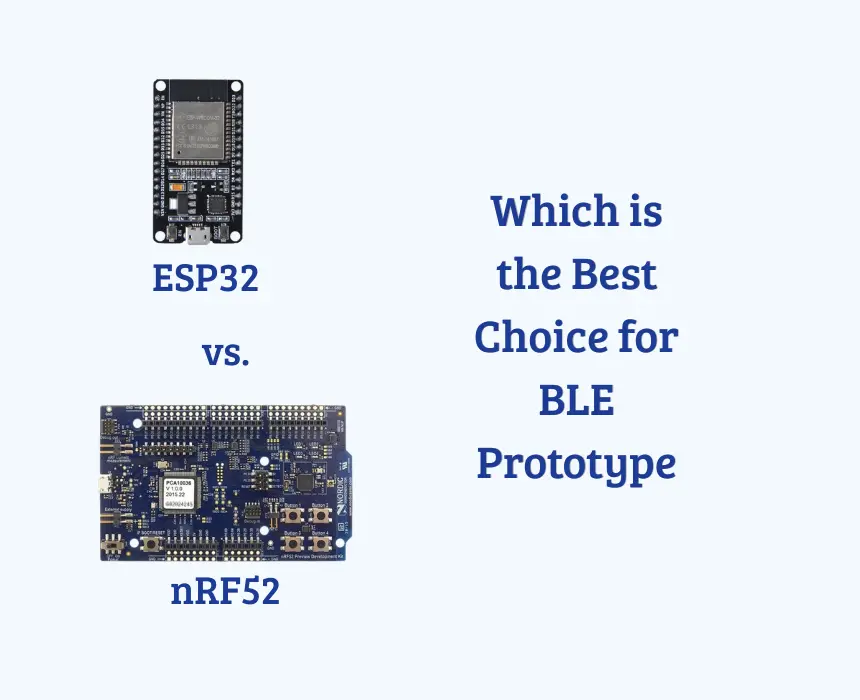
Experience with microcontrollers like ESP32, Arduino, Raspberry Pi
Skill in building low-power, real-time device logic
Ensures devices stay reliable, fast, and battery-efficient
2. Networking and Communication Protocols
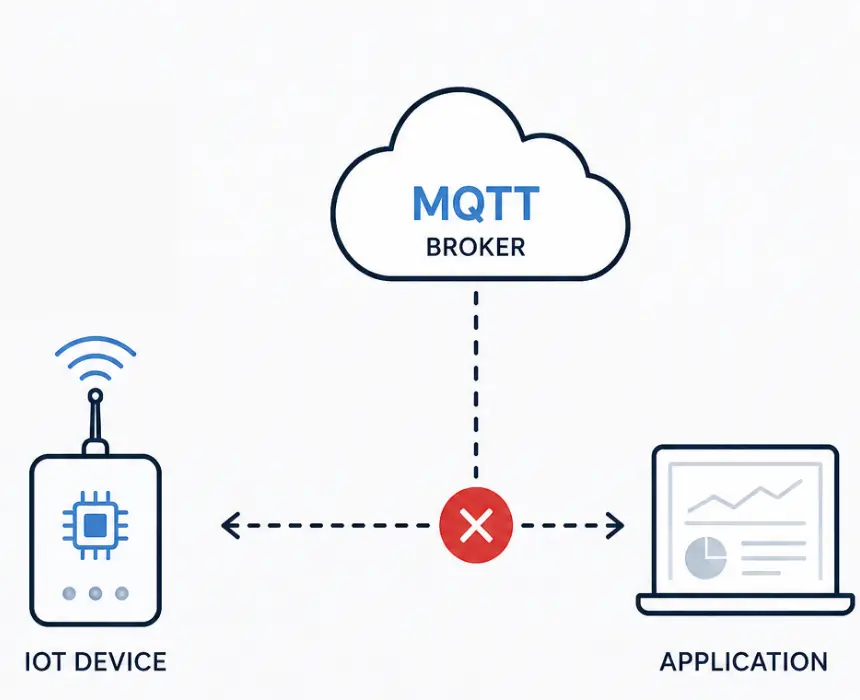
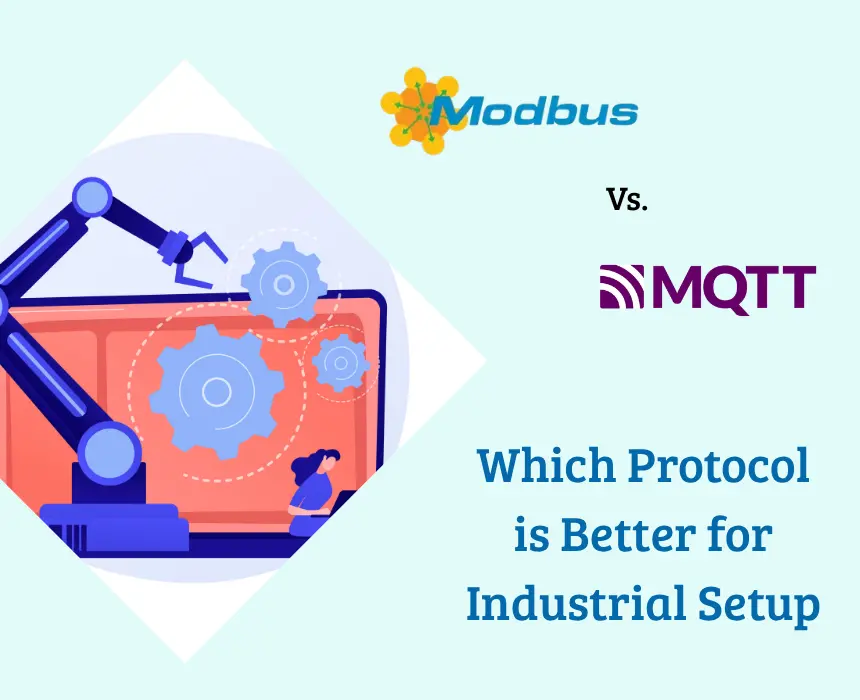
Deep understanding of MQTT, HTTP, CoAP, BLE, Zigbee, LoRaWAN, and cellular networks
Ability to optimize bandwidth, latency, and signal reliability
Keeps devices connected without data loss or delays
3. Cloud and Edge Computing Expertise
Experience with AWS IoT, Azure IoT, or Google Cloud IoT
Ability to build data pipelines, APIs, automation logic, and edge processing
Ensures systems scale smoothly and respond in real time
4. Data Processing and Real-Time Analytics
Skill in handling time-series data, dashboards, and alert systems
Ability to turn raw device data into useful insights
Helps businesses monitor operations and act faster
5. IoT Security and Data Protection
Knowledge of encryption, authentication, secure boot, and OTA patching
Experience protecting devices, networks, and cloud systems
Prevents data breaches, compliance risks, and system misuse
6. System Troubleshooting and Reliability Management
Ability to debug hardware, firmware, network, and cloud layers
Experience testing real-world deployments
Keeps systems stable, predictable, and failure-resistant
Industries Where IoT Developers Are in High Demand
Here are the main industries where IoT developers are in high demand:
Manufacturing and Industrial Automation: Used to monitor machines, process automation, quality control automation and reduce downtime
Healthcare and Wearables: Used for remote patient monitoring, vital sign monitors development, smart medical devices. Apart from that fitness tracking wearables can be tracked through fitness tracker apps
Smart Homes and Smart Cities: Used for smart home automation and smart city solutions like intelligent surveillance systems, smart navigations, smart public facilities etc.
Automotive and Connected Vehicles: Used for vehicle tracking and connected car platforms
Logistics and Fleet Management: Used for shipment tracking and route planning
Agriculture and Environmental Monitoring: Used for smart irrigation, smart harvesting and crop monitoring
Energy and Utilities: Used for smart grids and renewable energy monitoring
Examples of IoT Developer Projects
Here are some common examples of IoT developer projects:
IoT project | What the IoT developer builds |
|---|---|
Smart Home Automation | Smart home devices that let people control lights, security, and appliances from their phone or voice assistant. These setups focus on comfort, safety, and saving energy in daily life. |
Wearable Health Monitoring | Devices like fitness bands or medical wearables that track health data and share updates with apps or doctors in real time. Common uses include activity tracking and early health alerts. |
Fleet and Vehicle Tracking | Systems that show where vehicles are, how they are used, and when they need service. Businesses use this to plan routes better and reduce fuel and repair costs. |
Smart Agriculture Systems | Sensors are placed in fields to track soil and weather conditions. The system adjusts irrigation automatically so crops get water only when needed. |
Industrial Predictive Maintenance | Connected sensors on machines that spot unusual behavior early. This helps teams fix issues before equipment breaks and production stops. |
Where to Find the Best IoT Developers?
Most businesses struggle with IoT not because of technology, but because they cannot find the right developers.
It's not as simple as being a software developer. You need someone who understands devices, software, cloud systems, and how everything works together in real environments.
Here are some of the most reliable ways businesses usually find experienced IoT developers:
1. Specialized Tech Hiring Platforms
Platforms like Toptal, Hired, or Arc.dev focus on vetted technical talent, including IoT engineers.
These platforms allow you to filter developers based on skills such as embedded systems, cloud integration, or IoT firmware development.
This approach works well if you are building a small internal team and have the time to evaluate candidates deeply before hiring.
2. Developer Communities and Open Source Networks
Many experienced IoT developers are active members of technical communities. They contribute to open source projects, help others solve real-world problems, and continuously improve their skills.
By reviewing contributors on platforms like GitHub or technical forums, you can find developers who actively work on real IoT systems. These developers often have hands-on experience with devices, sensors, and live deployments rather than just theoretical knowledge.
3. IT Staff Augmentation and IoT Development Partners
If speed and reliability matter, partnering with an IoT-focused development firm is often the smartest choice.
This model gives you immediate access to experienced IoT developers who already understand firmware, connectivity, cloud integration, device management, and security.
Plus, you avoid long hiring cycles and reduce the risk of onboarding delays or wrong hires.
At CoreFragment, we provide a flexible and practical hiring approach.
Businesses work with CoreFragment because it allows them to:
Start projects without long hiring cycles
Work with developers who have hands-on IoT project experience
Scale teams up or down as the project needs change
Avoid long-term recruitment, HR, and training commitments
Get continued technical support after initial delivery
For companies building their first IoT solution or scaling an existing one, our approach reduces delivery risk and keeps attention on outcomes.
Book a free consultation with our IoT developers to understand how we can support your project.
Conclusion
IoT systems only succeed when they are built by the right people.
An IoT developer is responsible for much more than writing code. They design the architecture, build and secure devices, manage data, and keep systems reliable at scale.
As IoT adoption continues to expand, the importance of experienced IoT developers will keep growing.
For businesses, hiring skilled IoT developers means faster delivery, better automation, lower risk, and long-term cost savings. It also ensures your IoT investment can grow safely as your needs expand.
We hope this guide will help you understand the actual means of IoT development, what you are really hiring when you are hiring an IoT developer its benefits, and how you can find the best IoT developers.
Now it is your turn to take the next step, hiring experienced IoT professionals who understand the full lifecycle of IoT development.
FAQs
1. What does an IoT developer actually do?
An IoT developer builds end-to-end connected systems. They design how devices collect data, how that data moves, and how actions happen automatically. They also secure the system and make sure it works reliably in real-world conditions.
2. Is an IoT developer different from a software developer?
Yes. A software developer mainly builds applications. An IoT developer works across devices, firmware, networks, cloud platforms, and data systems. They deal with hardware limits, connectivity issues, and live environments.
3. What skills should I look for when hiring an IoT developer?
Look for embedded programming skills, experience with sensors and microcontrollers, networking knowledge, cloud integration, and security practices. Most importantly, they should have handled real deployments, not just lab projects.
4. How important is security in IoT development?
Security is critical. IoT systems handle sensitive data and control physical devices. Weak security can lead to data leaks, system misuse, or downtime. Good IoT developers design security into every layer from day one.
5. How long does it take to build an IoT solution?
It depends on the scope and hardware involved. Simple proofs of concept take weeks. Production-ready systems usually take a few months to design, test, and deploy properly.
Author
Have Something on Your Mind? Contact Us : info@corefragment.com or +91 79 4007 1108

Related articles