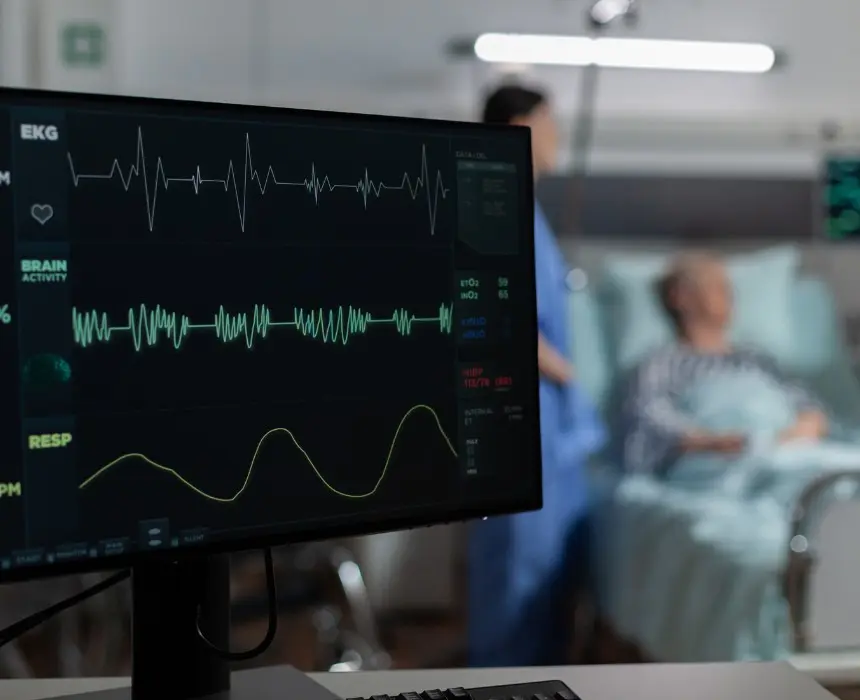
Our healthcare IoT development services include patient monitoring platforms, clinical data analytics, and telemedicine solutions. We build real-time vital sign tracking, EHR integration, and secure messaging systems. We deliver healthcare software with medical grade accuracy and reliability.
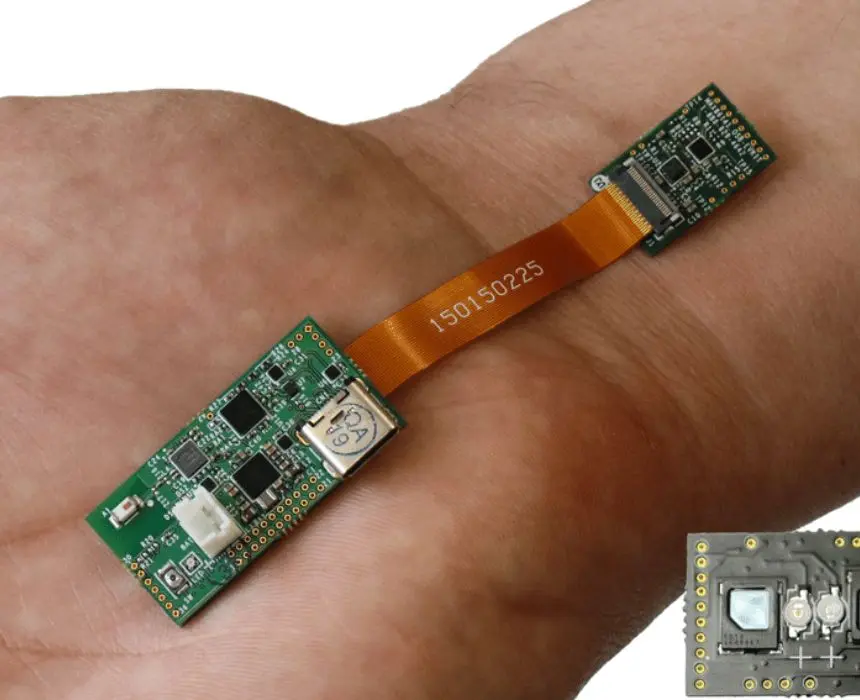
As a medical device development company, we design connected glucometers, pulse oximeters, and cardiac monitors with precision sensors and wireless connectivity. Our engineers have worked on ECG signal processing, blood pressure algorithms and continuous glucose monitoring device.
We specialize in biosensor integration, real-time health data visualization, and cloud-based patient dashboards. We have launched devices for diabetes care, cardiovascular health, and patient diagnostics. We provide hardware design, firmware, app development, AI integration in healthcare systems.

Corefragment Technologies delivers smart and digital healthcare solutions for hospitals, clinics, pharmacy, healthcare NGOs and healthtech firms.
Connected medical devices, vital monitors, healthcare wearables and remote patient monitoring systems require a development approach that spans embedded hardware, firmware, wireless connectivity, cloud infrastructure, and clinical applications. We develop the full healthcare IoT stack: BLE-connected monitoring hardware, firmware on Nordic nRF52 and STM32 platforms, cloud backends on AWS, HL7 FHIR integration with EHR systems, and clinical dashboards with configurable alert thresholds and escalation workflows. We have shipped remote patient monitoring systems for cardiac, pulmonary, and post-surgical monitoring across multi-site health system deployments. We assist in building solutions that meet the standards your healthcare IoT environment requires.
Healthcare mobile applications - patient-facing apps, clinician tools, and remote monitoring companions — require more than standard mobile development. They need to integrate with EHR systems through FHIR APIs, work reliably in clinical environments with variable connectivity, and support workflows that differ significantly between care settings. We build iOS and Android healthcare apps using React Native and native Swift and Kotlin — covering patient portals, medication adherence tools, remote monitoring companions, telehealth clients, and clinical reference applications. We assist in building solutions that meet the standards your healthcare environment requires.
Healthcare platforms whether patient-facing, clinician-facing, or operational need to handle real clinical data reliably, integrate with the health systems already in your organisation ecosystem, and work across the devices and environments clinical staff actually use. We build custom healthcare platforms from the ground up: defining the architecture, designing for clinical workflows, building the backend and frontend in parallel, and delivering a system your operations team can run and your engineering team can extend. We assist in building solutions that meet the standards your healthcare environment requires.
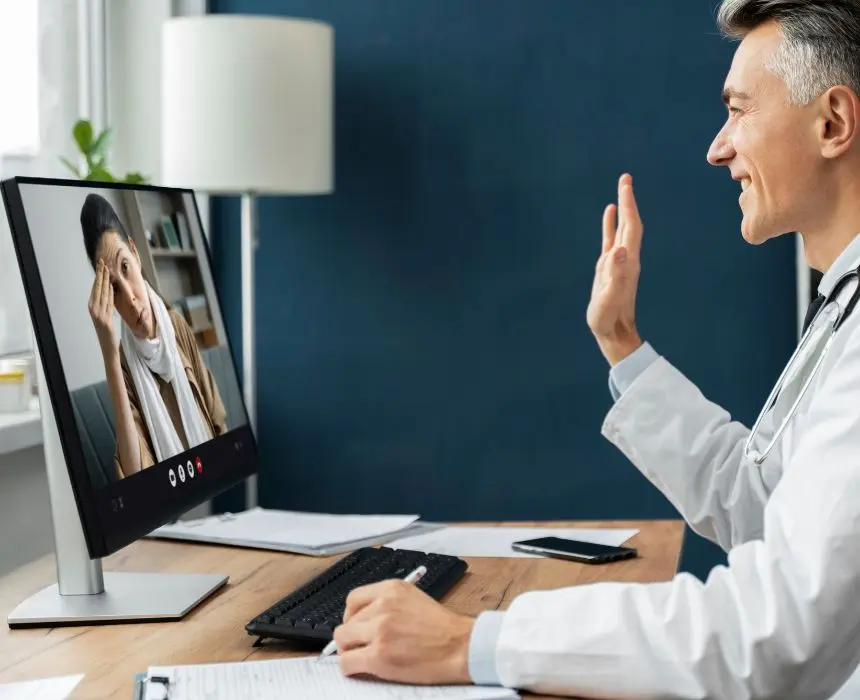
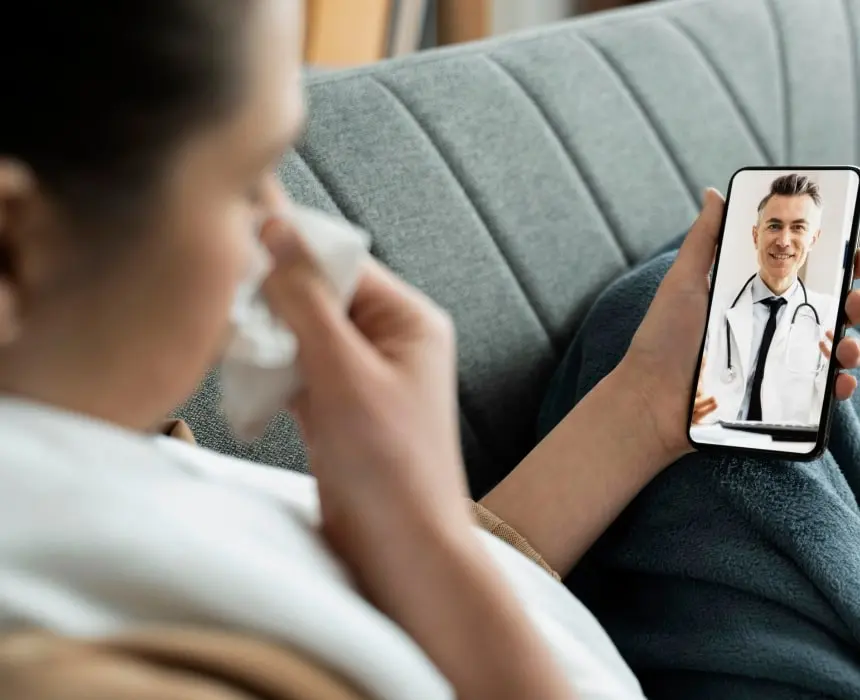
Telehealth platforms require a specific set of technical capabilities that general video conferencing tools do not provide - WebRTC video optimised for clinical use, asynchronous messaging, clinical intake and triage workflows, e-prescribing integration, and documentation that flows back into the EHR. We have built telehealth platforms from early-stage MVP to systems handling tens of thousands of consultations per month covering the patient app, the provider portal, the admin dashboard, and the backend infrastructure that keeps all three reliably connected.
Healthcare AI applications includes risk stratification models, diagnostic support tools, treatment recommendation engines, clinical documentation automation - require careful design, rigorous validation, and explainability that standard ML projects do not demand. We build clinical AI with model explainability built in, bias assessment across patient subgroups, and prospective validation frameworks. We have built AI models for readmission risk prediction, sepsis early warning, medical imaging analysis, clinical note generation using NLP, and care gap identification across population health programmes. We assist in building solutions that meet the standards your healthcare AI environment requires.
Medical device software whether embedded firmware running on the device itself or companion software running on a general-purpose platform — requires a development approach that goes beyond standard software engineering. We develop software for connected medical devices including cardiac monitors, infusion pump companions, point-of-care diagnostics, and wearable health sensors. We assist in building solutions that meet the standards your medical device environment requires, and work alongside your regulatory affairs team throughout the process.
Healthcare organisations generate enormous volumes of operational and clinical data — and most of it sits in systems that can not query across each other. We build healthcare data platforms that aggregate data from EHRs, claims systems, lab feeds, and connected devices into a unified analytical environment, and surface insights through operational dashboards and population health reporting tools. We have built analytics platforms processing hundreds of millions of patient records and powering clinical quality programmes, revenue cycle optimisation, and readmission risk stratification.
Healthcare data that lives in silos - isolated EHRs, lab systems, imaging platforms, pharmacy systems, and billing software that do not communicate - costs clinical teams time and costs patients outcomes. We design and build HL7 FHIR R4 APIs and integration layers that enable real-time data exchange between healthcare systems, and build event-driven integrations using HL7 v2 message processing for legacy system connectivity. We have integrated with Epic, Cerner, Athenahealth, Meditech, and custom EHR systems and we understand the implementation reality of each, not just the specification.
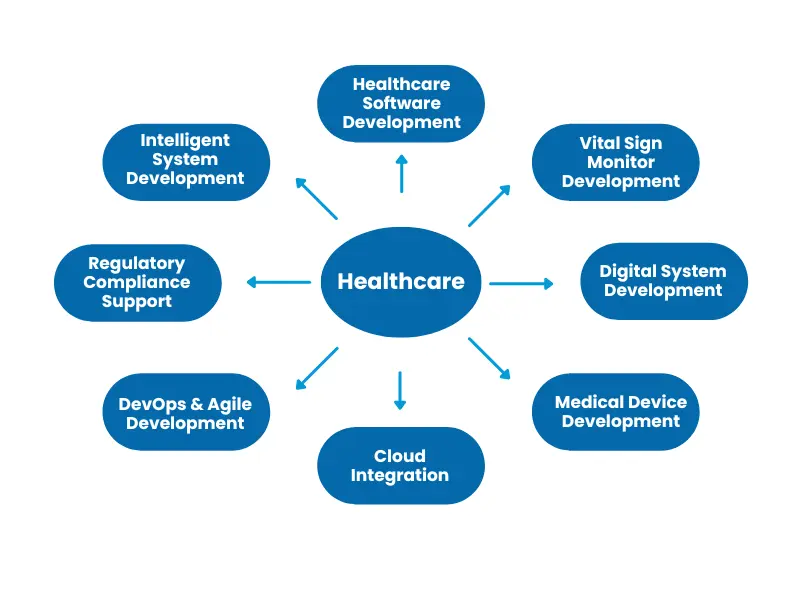
We build healthcare software the way healthcare requires it to be built with clinical users at the centre and interoperability as a first-class engineering requirement, not an integration project that gets bolted on at the end.
Healthcare systems experience predictable load spikes - shift change, morning rounds, mass appointment scheduling events and need to remain performant and available during those periods. We performance-test healthcare applications against realistic clinical load profiles, not just average traffic estimates, and design infrastructure to handle peak periods without degradation.
Your source code, design files, infrastructure configuration, and documentation are transferred to you at project completion. We sign an NDA before any technical discussion, and we retain nothing. Your engineering team should be able to maintain and extend what we build without depending on us for day-to-day operations.
Healthcare applications serve patients with varying digital literacy, clinicians using shared workstations under time pressure, and administrative staff managing high-volume workflows. We design for all of them - accessibility-first interfaces, fast task completion paths, and role-specific views that surface the right information at the right time.
We analyse clinical workflows before designing screens. The difference between software that clinical teams adopt and software they work around is whether the design reflects how care is actually delivered not how a product manager imagined it from behind a desk. We assist in building solutions that meet the standards your healthcare environment requires.
We offer embedded hardware, embedded software, app development, IoT and AI development services.
We develop custom IoT hardware, IoT firmware, IoT apps and AIoT integration services.
More DetailsWe offer custom AI development, ML applications and embedded-AI integration.
More DetailsWe develop custom hardware, from schematic design to layout design, BOM optimization, EOL management and hardware design review.
More DetailsWe develop custom mobile app in IoT, wearables, healthcare in android, iOS and cross platform.
More DetailsWe develop custom web app for industries like healthcare, manufacturing, consumer electronics products etc.
More DetailsWe develop custom IoT firmware, OTA integration, linux and RTOS based development, BSP development, hardware-firmware integration, kernel and bootloader development.
More DetailsWe follow a structured, milestone-driven development process from clinical requirements through to production deployment with clear deliverables and sign-off at every phase.
1
Your first conversation is with a healthcare software engineer, not a project manager. We go through your clinical workflows, user roles, integration requirements, data flows, and the existing systems your new software needs to work alongside. We come out with a documented requirements specification that your clinical, operations, and technical teams can review and agree before development begins.
2
We define the system architecture - data model, API design, EHR integration approach, third-party services, cloud infrastructure, and security model — before engineering begins. Architecture decisions are documented and reviewed with your team. The choices made here determine whether your system can scale, be maintained, and be extended without a rewrite in 18 months.
3
Clinical users have different design requirements from consumer app users - high information density, workflow-driven navigation, fast task completion under time pressure, and accessibility for users with varying abilities. We design healthcare interfaces grounded in how clinical teams actually work, and validate designs through usability testing with representative users before development begins.
4
We build in two-week sprints with working software deployed to a staging environment after each sprint. Your team tests real features throughout development not just at the end. Scope adjustments, priority changes, and design refinements are handled transparently within the sprint cadence, with impact on timeline and budget communicated clearly.
5
Integration testing with real EHR sandbox environments — Epic Sandbox, Cerner Ignite, Athenahealth API — and clinical validation testing with representative users in realistic workflow conditions. We test the edge cases that clinical environments produce: concurrent record access, intermittent connectivity, and high-load periods during shift change.
6
Production infrastructure deployment, staff training documentation, and a structured post-deployment support arrangement covering performance monitoring, security patching, feature development, and ongoing EHR integration maintenance. Healthcare software does not end at deployment and neither does our engagement.


Yes, CoreFragment helps clients to develop the right cloud-based healthcare applications, with cloud platforms such as Azure or AWS, and supports hassle-free deployment of healthcare IT solutions.
CoreFragment can do automation in the healthcare, hospitals, pharmaceutical and medical device industries with IoT, apps, AI and cloud expertise.
Sure, we developed remarkable healthcare solutions for international clients. You can refer to our expertise in healthcare by clicking here.
No, we do not offer healthcare device mass production. Our scope of work involves medical device design and development, re-engineering of medical device, healthcare app development, cloud integration, AI integration, technical support and maintenance.