Use Cases:
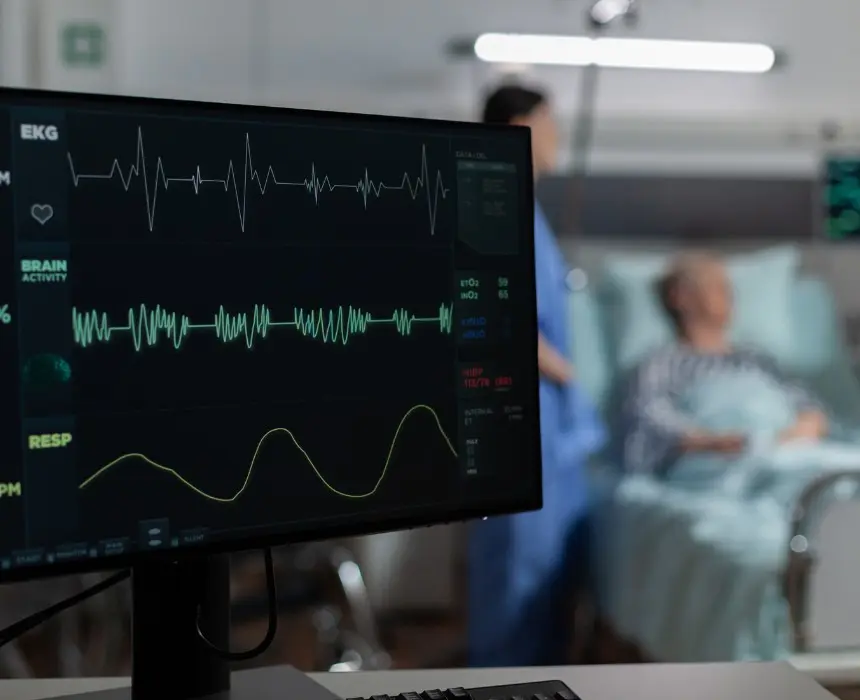
- Improve delay in critical medical interventions and patient care.
- Remotely control medical equipment and information
- Multiple connectivity of healthcare networks, insurance companies, hospitals
Client wants to develop a hub by utilizing speed and coverage of mobile broadband networks to connect, monitor, and remotely control medical equipment and information to enhance the coordination and efficiency of healthcare services.
Australia
Healthcare





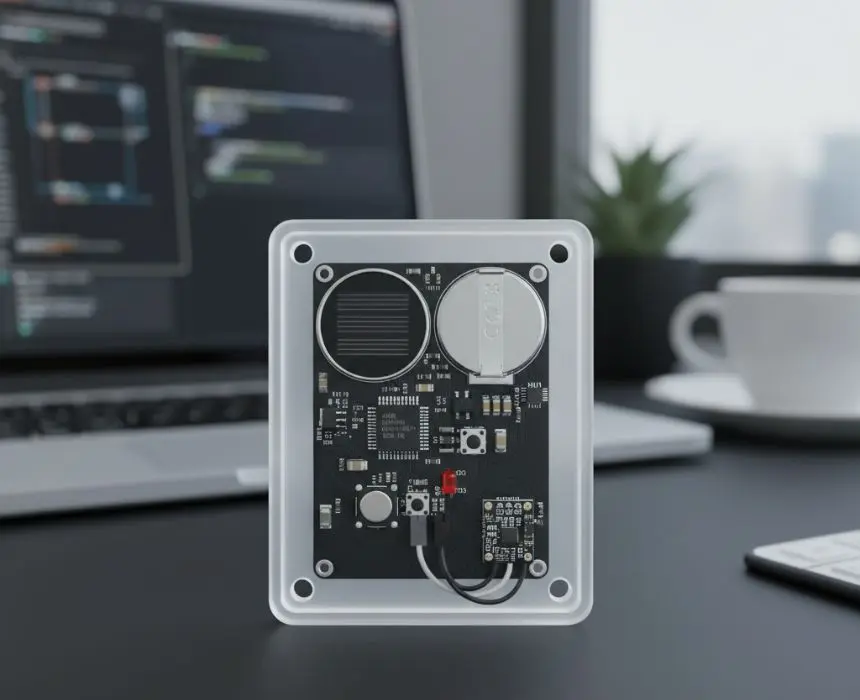
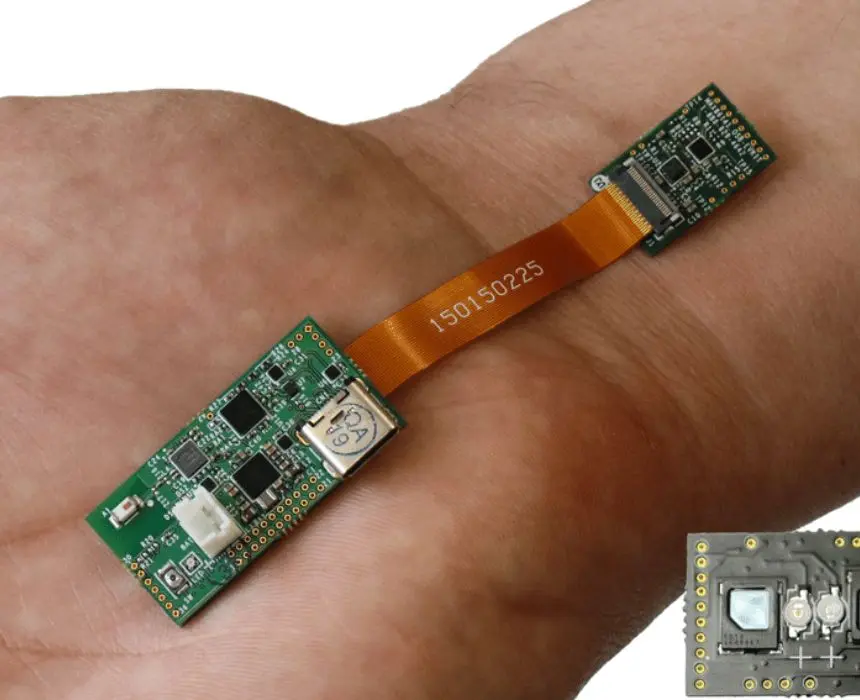
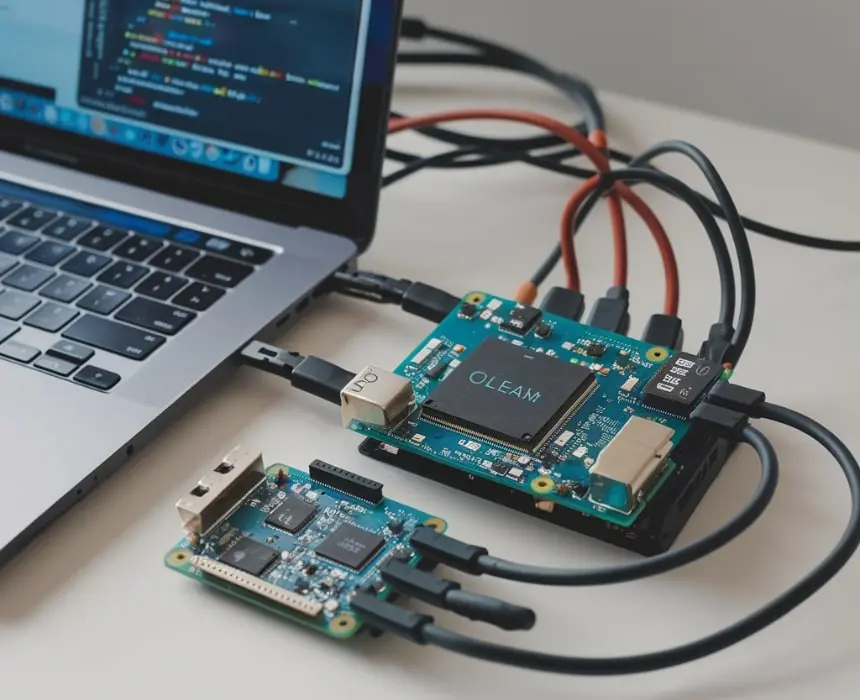
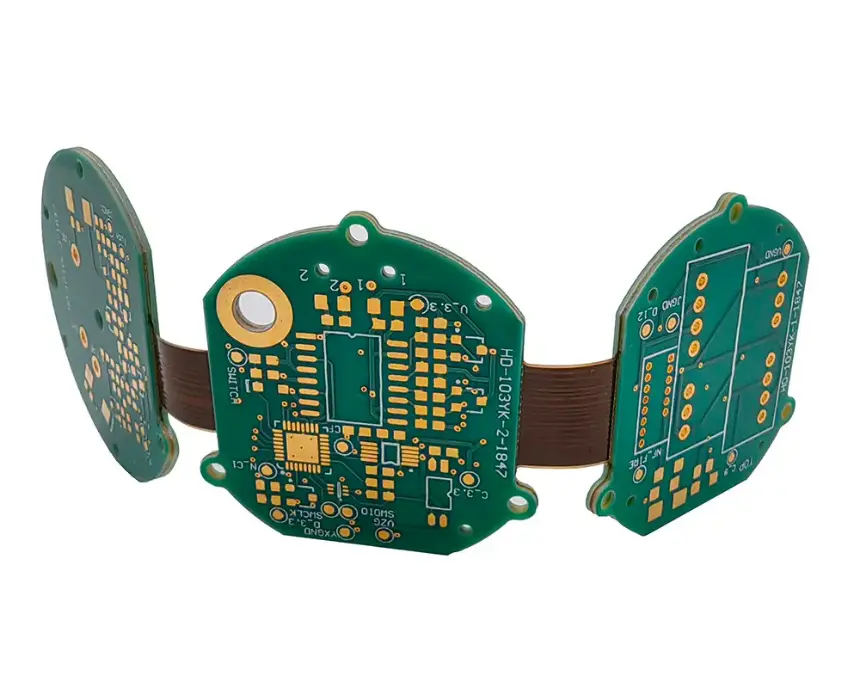
CoreFragment Technologies can help building hardware-firmware architecture, integrate medical devices, design linux drivers for the health monitoring hub.
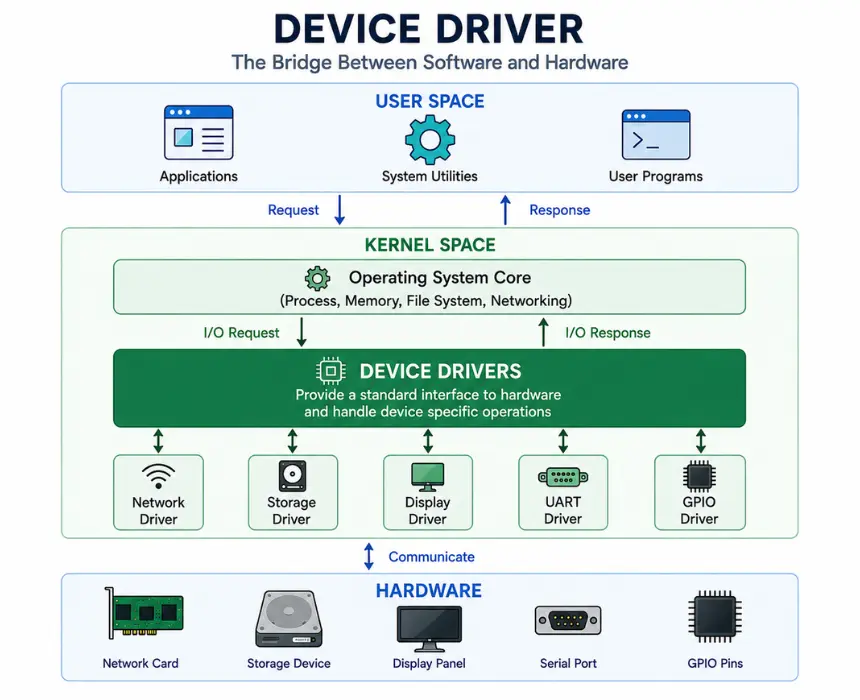
If your health monitoring hub runs Linux on custom hardware, you need custom Linux drivers for your specific peripherals and that requires engineers who understand both the Linux kernel driver model and the hardware they are interfacing with. CoreFragment writes custom Linux drivers for medical hardware peripherals, enabling clean integration between your hardware and the Linux application layer without the reliability and performance compromises of userspace workarounds.
Each medical device has its own communication protocol — USB, Bluetooth, serial UART, proprietary interfaces and its own data format. CoreFragment has experience integrating multiple medical and health devices into a central hub, writing the drivers and protocol adapters needed to bring data from each device into a unified data model. Whether you need to support three devices or ten, we help you build the integration layer that makes them all accessible through a single application.
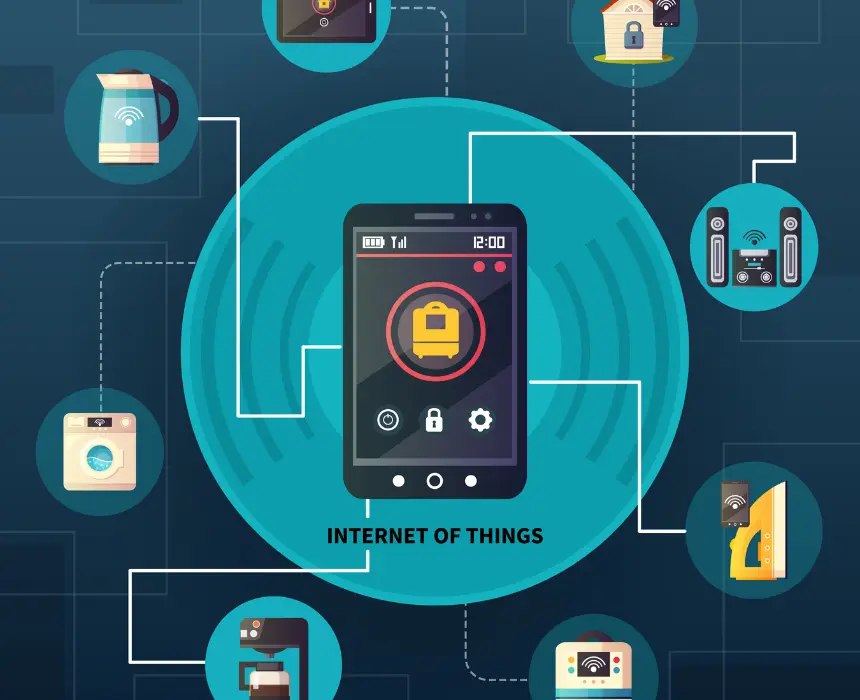
A health monitoring hub is a genuinely complex product - it requires hardware, firmware, Linux, connectivity, cloud, and a mobile app to all work together reliably in a medical context. CoreFragment helps you design the complete system architecture before any hardware is fabricated or any code is written - making sure every component choice, every communication protocol, and every data flow is planned in a way that produces a coherent, reliable product. Starting with the right architecture saves months of rework.
Multi-stakeholder healthcare connectivity requires careful design of data access, consent management, and interface standards. CoreFragment helps you design the cloud platform and API architecture that gives each stakeholder - patient, clinician, insurer, healthcare network - the right access to the right data through the right interface, with appropriate security and compliance controls for each. We help you build a platform that healthcare organizations will trust with their patient data.
The hub stores the patient complete medical history locally on the device - past readings, health events, medication records, and clinical notes - enabling real-time retrieval even when cloud connectivity is temporarily unavailable. When connectivity is available, this local history is synchronized with the cloud platform, making it accessible to authorized healthcare providers through their clinical interface. This dual storage approach ensures medical history is always available to the patient and their care team regardless of connectivity conditions.
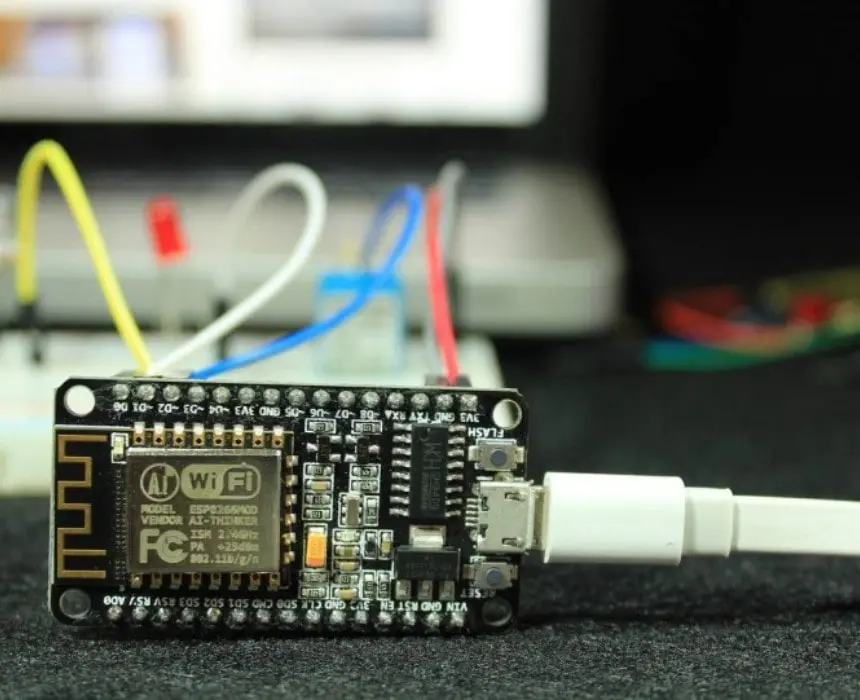
Healthcare monitoring needs to work reliably regardless of the patients home network situation. Wi-Fi provides fast, low-cost connectivity when a reliable home network is available. The SIMCom cellular module provides a fallback connectivity path using mobile broadband - ensuring the hub continues transmitting health data and receiving remote commands even if the patients Wi-Fi is down, they move to a location without Wi-Fi, or they are in a care facility with restricted network access. For a medical device, connectivity reliability is a patient safety issue, not just a convenience one.
The primary users are patients managing chronic health conditions who need regular monitoring of critical health signs. Secondary users are healthcare providers - doctors, nurses, and care coordinators - who access the patient health data through the connected platform to make timely clinical decisions. Insurance companies and healthcare networks are tertiary users who benefit from connectivity to patient health data for care management and claims processing. The mobile app serves the patient directly, while the backend platform serves the clinical and administrative stakeholders.
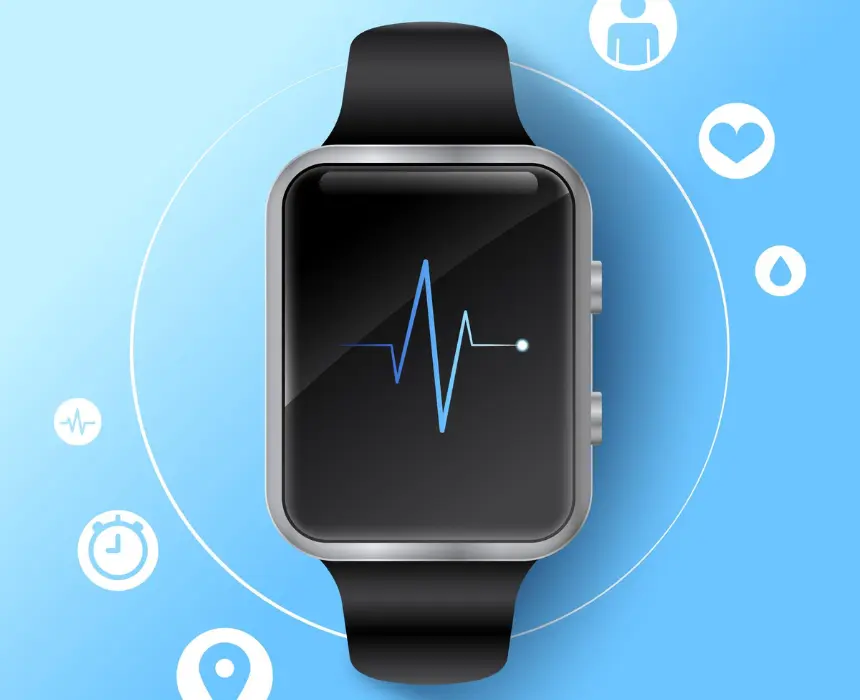
A connected health monitoring hub is a central hardware device that aggregates data from multiple medical monitoring devices — such as oxygen level monitors, weighing scales, and blood glucose meters — and transmits that data to a cloud platform and a companion mobile app in real time. The problem it solves is fragmentation in patient health monitoring. Today, most patients use separate, disconnected devices for each health parameter, with no single view of their overall health status. A hub brings all of that data together in one place, accessible to both the patient and their healthcare provider, improving the speed and quality of clinical decisions.
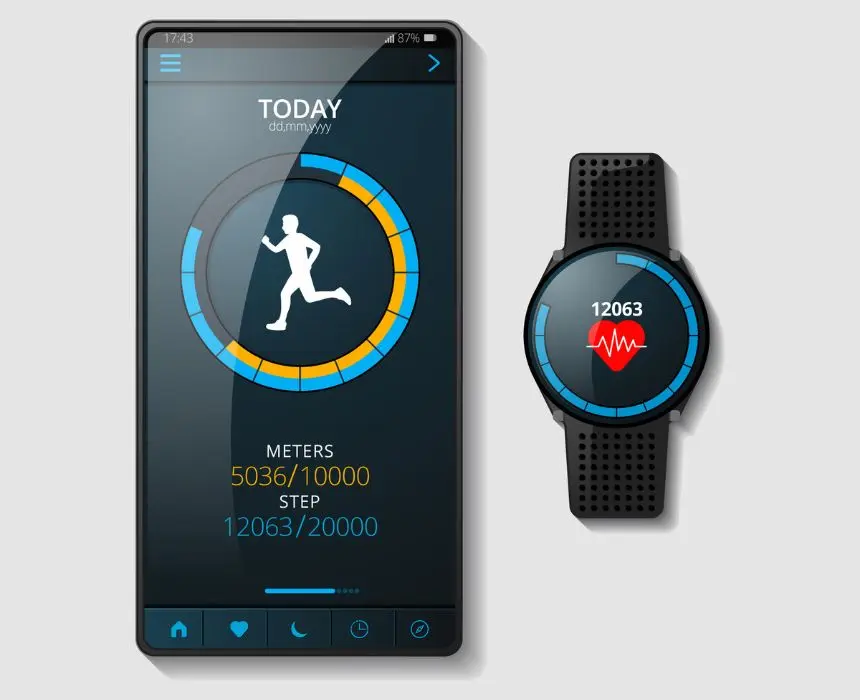
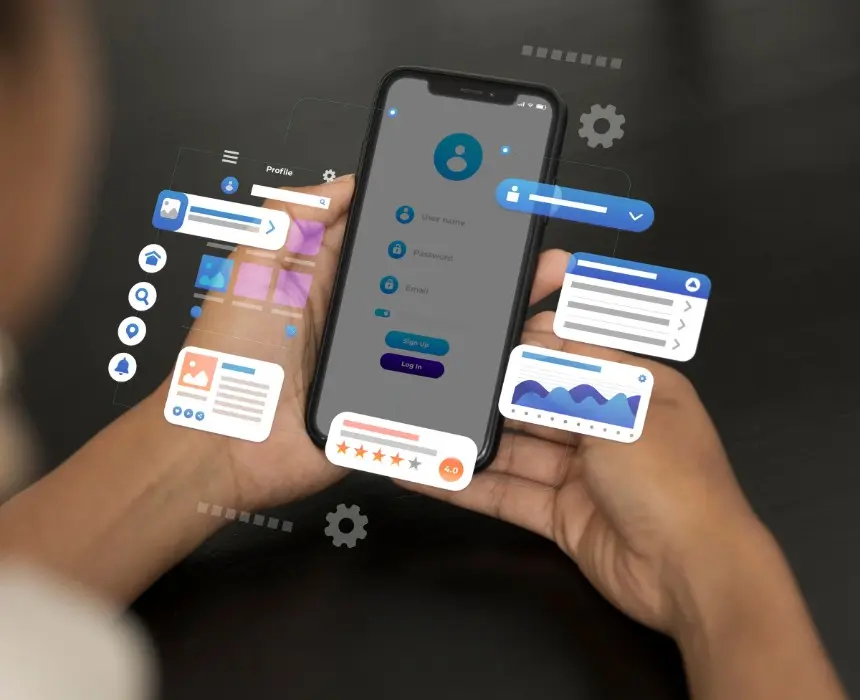
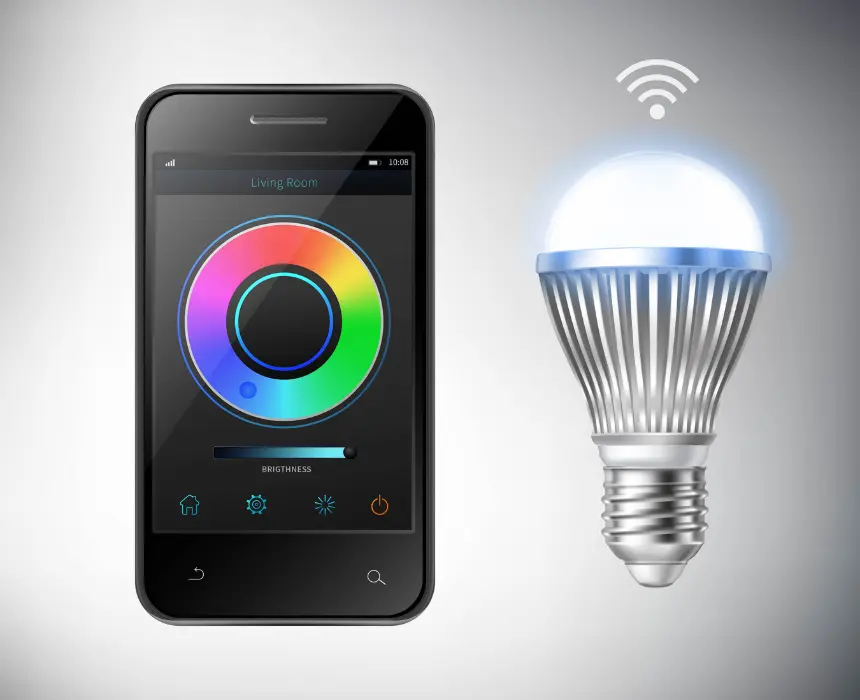
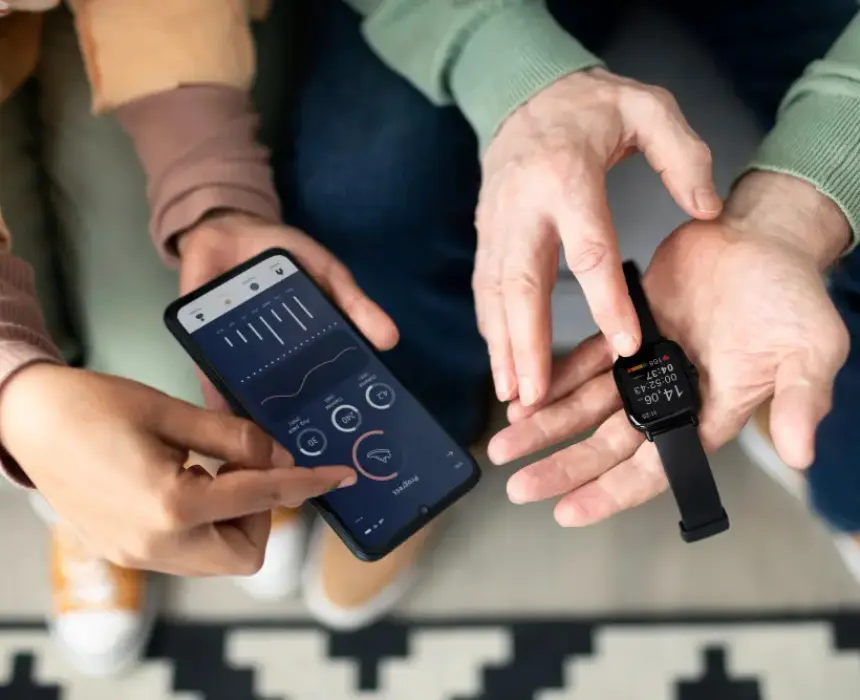
The companion mobile app receives health data from the hub and presents it in a clear, patient-friendly interface - showing current readings for each monitored parameter alongside historical trends, threshold alerts, and health status summaries. Patients can view their oxygen levels, weight trends, and blood glucose history over time, helping them understand how their condition is progressing and how their lifestyle choices are affecting their readings. The app is designed for patients of all technical backgrounds - simple enough for elderly users while comprehensive enough to support engaged self-management.


_title.webp)