Use Cases:
- Access to Real time location of the vehicle
- Bluetooth enabled mobile app access to vehicle data
- One stop access for vehicle multi variable data
- Real time vehicle data to user mobile app
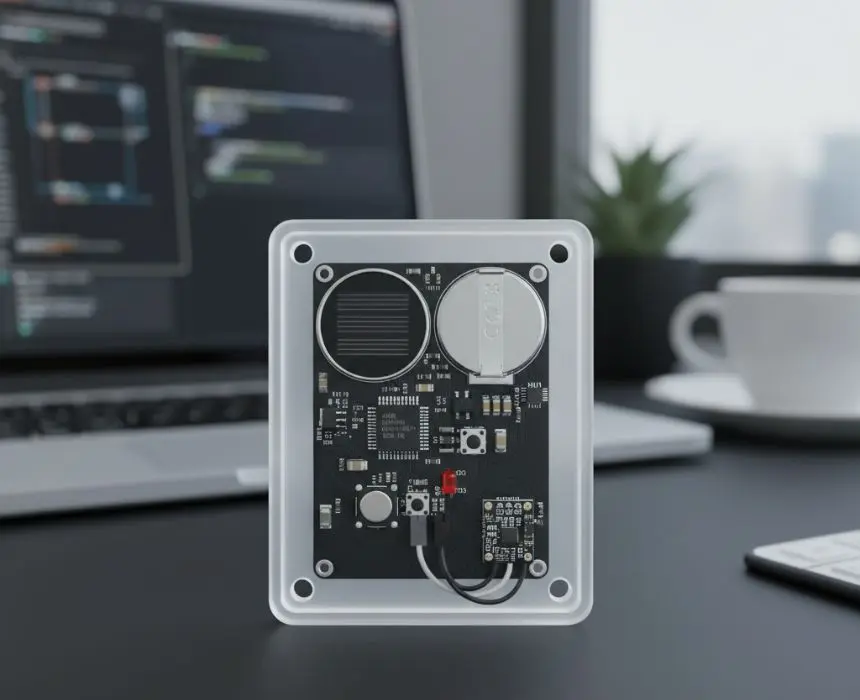
Our client wanted to develop a smart OBD device which can monitor engine temperature, speed, torque, oxygen sensor data, fuel data, pressure data, and many other variables in real time and send data in mobile app.
USA
Automotive and Smart EV Charging




General questions we receive from clients regarding connected automobile app development -
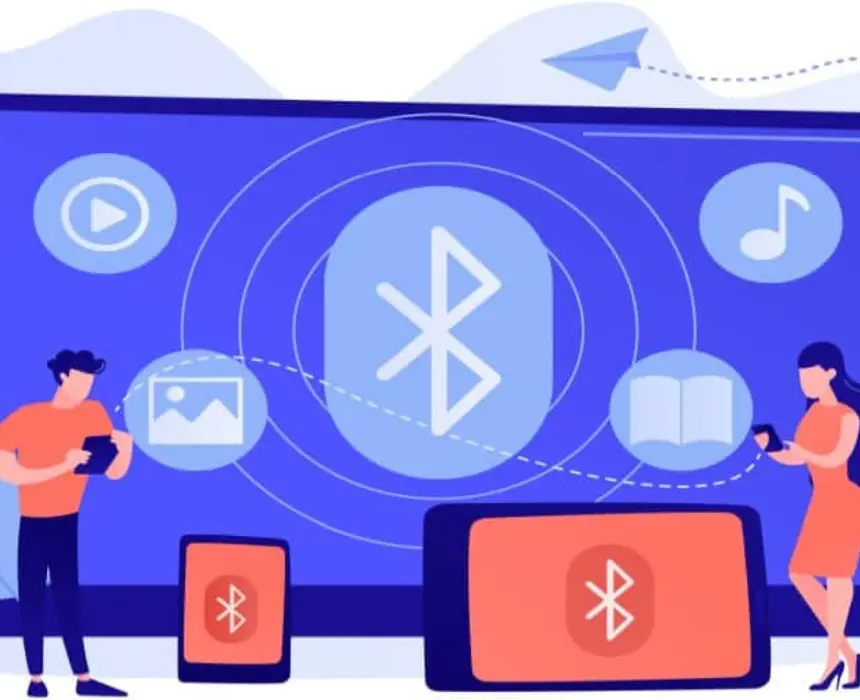
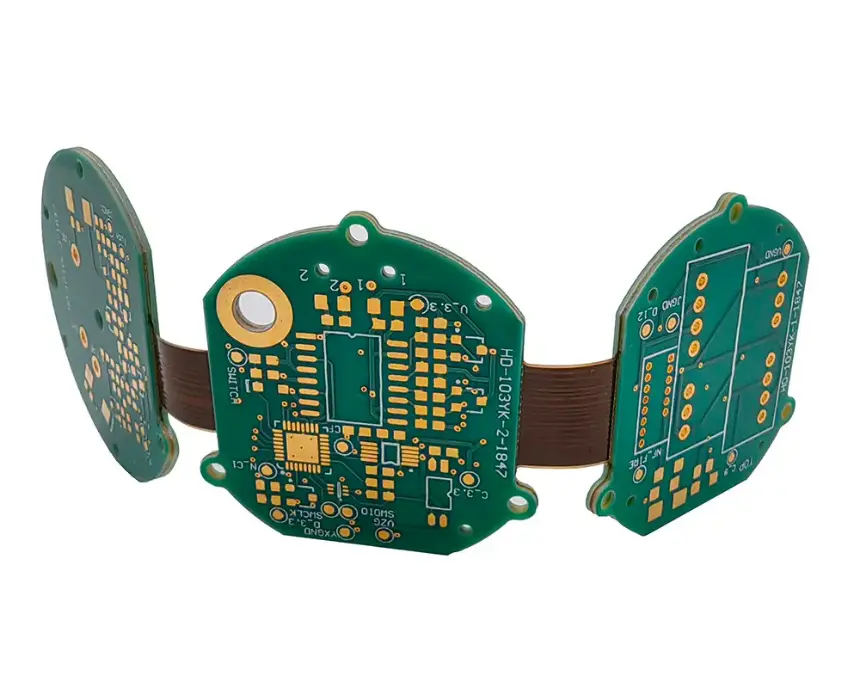
The device plugs into the vehicle standard OBD-II port - present in all cars manufactured after 1996 in the USA. Once plugged in and powered by the vehicle OBD port, it communicates with the paired Android app on the driver smartphone using Bluetooth Low Energy (BLE). The firmware on the device continuously reads vehicle data from the OBD-II interface, packages it, and transmits it over BLE to the app, which displays it in real time. The BLE connection is automatic once the device and phone are paired - no manual reconnection is required each time the vehicle is started.
The device monitors a comprehensive set of vehicle health and performance parameters - engine temperature, vehicle speed, engine torque, oxygen sensor readings, fuel level and consumption data, manifold pressure, and many additional OBD-II PIDs (Parameter IDs) supported by the vehicle ECU. It also provides real-time vehicle location tracking through an integrated location module. This makes it a true one-stop source for vehicle multi-variable data - replacing multiple separate tools with a single connected device.
Yes, the device includes location tracking capability that captures the vehicle real-time position and transmits it to the mobile app alongside the vehicle telemetry data. This gives the mobile app a unified view of both where the vehicle is and how it is performing - all from the single OBD device. Location data combined with vehicle speed and engine parameters enables use cases like trip logging, driver behaviour analysis, and fleet tracking that are not possible with vehicle diagnostics data alone.
The app can be configured to collect data and maintain the BLE connection in the background — allowing it to log vehicle data even when the driver is not actively viewing the dashboard. Background operation is important for trip logging and location tracking use cases where continuous data capture is needed throughout a journey. The app handles Android background service permissions and BLE connection management correctly to ensure reliable background operation across different Android versions.
BLE offers the right combination of range, power consumption, and connection reliability for this application. The OBD port powers the device only when the vehicle ignition is on — meaning power efficiency is important, and BLE low energy consumption preserves that. BLE also provides sufficient bandwidth for continuous vehicle telemetry data at the update rates required for a real-time dashboard. Classic Bluetooth is higher power and more complex to pair reliably on modern Android versions. Wi-Fi would require the device to connect to a hotspot or have its own cellular data, adding unnecessary cost and complexity for a device whose primary function is communicating with the driver phone.
Through an OBD-II interface, a connected app can access engine temperature, vehicle speed, RPM, engine torque, oxygen sensor data, fuel level and consumption, manifold absolute pressure, throttle position, battery voltage, intake air temperature, diagnostic trouble codes, and dozens of additional manufacturer-specific parameters. With an added GPS module, real-time location, route history, and trip distance are also available. With accelerometer data from the phone or device, driving behaviour metrics like harsh braking, rapid acceleration, and sharp cornering can also be captured.
The device monitors a comprehensive set of vehicle health and performance parameters - engine temperature, vehicle speed, engine torque, oxygen sensor readings, fuel level and consumption data, manifold pressure, and many additional OBD-II PIDs (Parameter IDs) supported by the vehicle ECU. It also provides real-time vehicle location tracking through an integrated location module. This makes it a true one-stop source for vehicle multi-variable data - replacing multiple separate tools with a single connected device.
The device plugs into the vehicle standard OBD-II port — present in all cars manufactured after 1996 in the USA. Once plugged in and powered by the vehicle OBD port, it communicates with the paired Android app on the driver smartphone using Bluetooth Low Energy (BLE). The firmware on the device continuously reads vehicle data from the OBD-II interface, packages it, and transmits it over BLE to the app, which displays it in real time. The BLE connection is automatic once the device and phone are paired - no manual reconnection is required each time the vehicle is started.