Use Cases:
- Manually configurable option
- Real time monitoring of temperature data
- Alert system in case of temperature does not match predefined range
Client wanted to get notifications whenever the temperature exceeds or falls below a specified range in the cold storage area. CoreFragment Technologies developed a solution that ensures timely monitoring and response to temperature fluctuations.
Asia
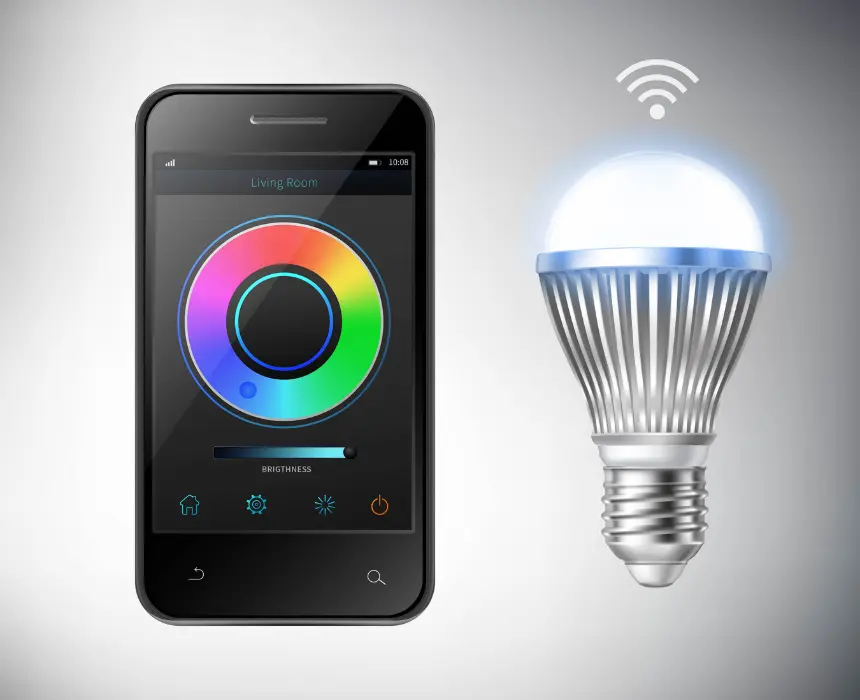
Home and Industrial Automation
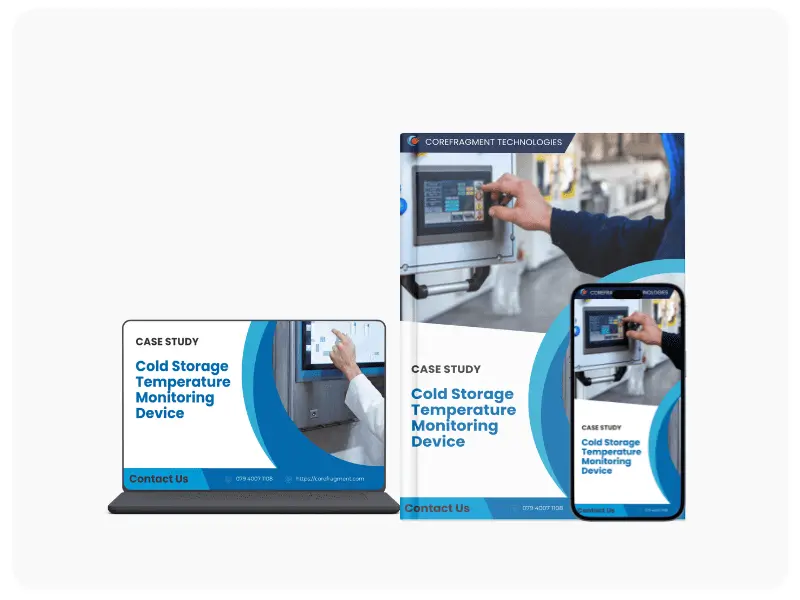



CoreFragment Technologies can help in building IoT monitoring solutions for Industrial domains like healthcare, manufacturing, warehouse, automotive.
Whether you need to monitor five cold rooms in one facility or fifty units across multiple warehouses, CoreFragment designs IoT monitoring solutions that scale cleanly. Each unit gets its own monitoring device, all reporting to a centralized dashboard that gives facility managers a single view of every storage unit status, alert history, and temperature trends - from any device, from anywhere.
If your facility still relies on staff checking thermometers at intervals, paper temperature logs, or periodic manual inspections, CoreFragment can help you replace that entire process with an automated monitoring device that never sleeps, never misses a reading, and alerts the right people instantly when something goes wrong. The investment in automated monitoring pays back the first time it catches an excursion that manual monitoring would have missed.
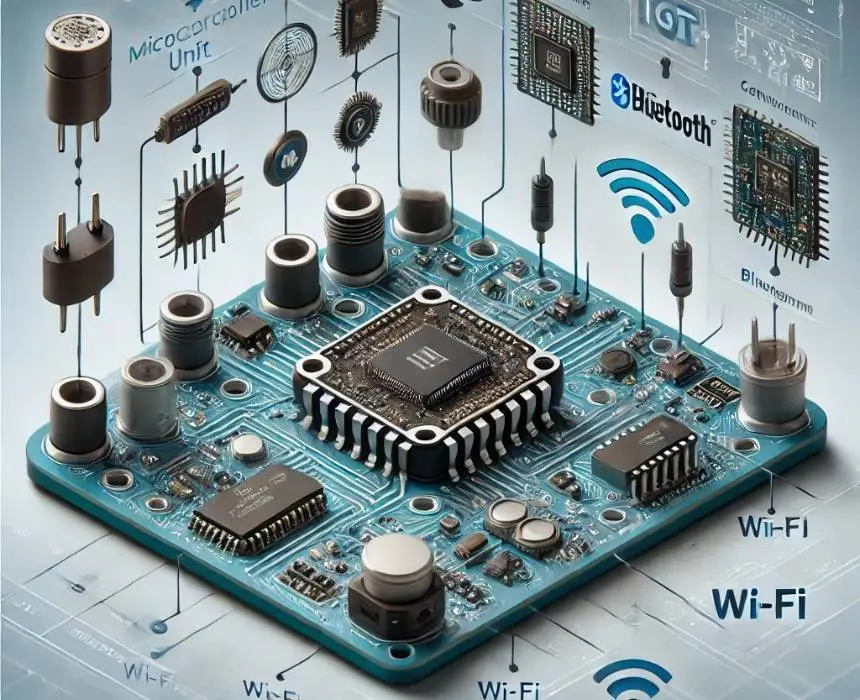
Many cold storage facilities - especially warehouse-scale operations with thick insulated walls and metal structures - have poor internal Wi-Fi coverage. CoreFragment designs cellular-based monitoring devices using SIMCom modules that work wherever mobile network coverage is available, completely independent of your facility Wi-Fi infrastructure. No network cables, no Wi-Fi range extenders, no IT department involvement - just install the device and it works.
If you already have a temperature monitoring prototype or first-generation device that is missing alerts, dropping connectivity, or failing in the cold environment, CoreFragment can diagnose the root cause and deliver hardware and firmware improvements that bring it to production-grade reliability. We frequently work with clients who have a working concept but need an experienced engineering team to take it the rest of the way to a deployable product.
Users can configure the minimum and maximum temperature thresholds manually on the device itself. This manual configurability means facility staff do not need a separate app or computer to adjust settings - they can update the safe range directly on the installed device as storage requirements change. This is particularly useful in facilities where different products with different temperature requirements share the same monitoring infrastructure.
Yes, the firmware can be configured with a hysteresis or duration threshold - meaning an alert is only triggered if the temperature remains outside the safe range for a minimum defined period, rather than firing on every brief sensor fluctuation. This prevents nuisance alerts from short-duration spikes caused by door openings or brief compressor cycles, while still catching genuine sustained temperature problems that require action.
Alert latency depends on the sensor reading interval and the cellular network response time. Typically, the firmware reads the temperature sensor at a defined interval - which can be configured to as frequently as every few seconds for high-priority storage units. As soon as a reading falls outside the configured range, the device transmits an alert via the SIMCom module over the cellular network. End-to-end alert delivery from excursion to notification is typically within seconds to a minute depending on network conditions.
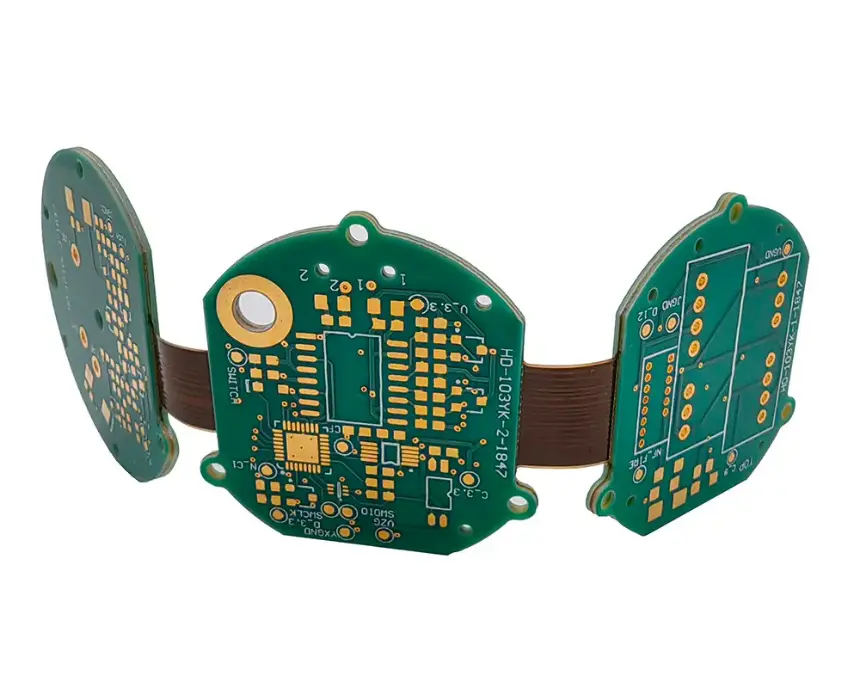
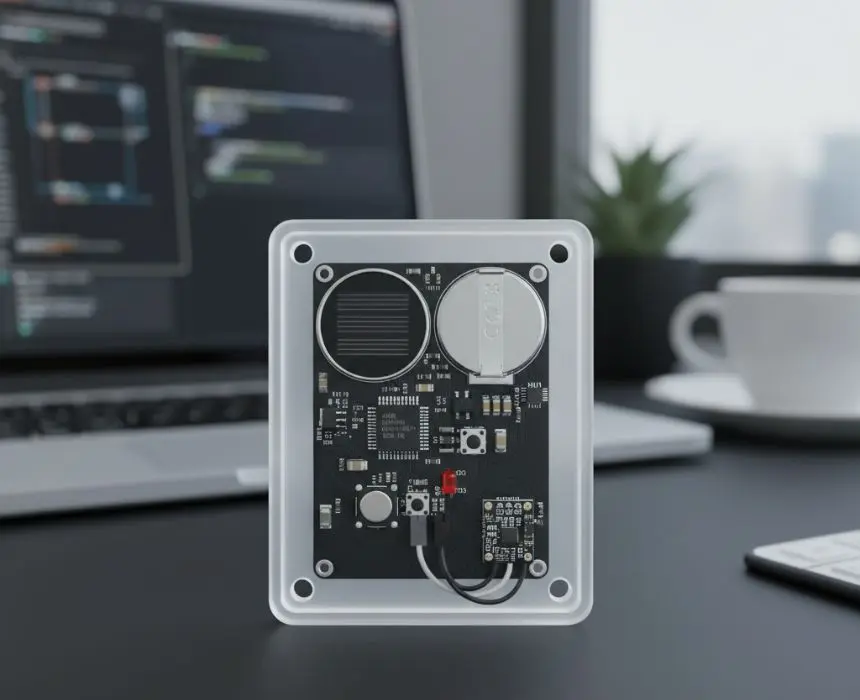
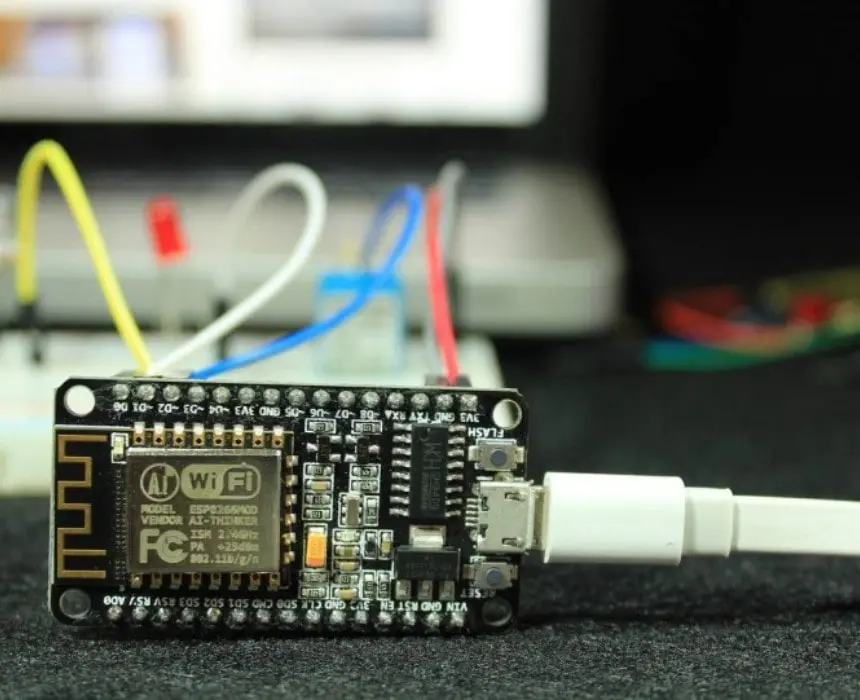
A hardware device installed inside the cold storage unit continuously reads temperature data from sensors. The firmware on the device compares each reading against a predefined safe range - a minimum and maximum threshold configured by the user. If the temperature goes above the maximum or below the minimum, the device triggers an alert through its communication module. Users can configure the device settings manually on-site, and the system provides real-time temperature data visibility at all times.