Use Cases:
- Ability to connect with healthcare provider via email
- Glucose level monitoring and alerts
- Glucose level history and reporting
The client wants to develop a Bluetooth-enabled glucometer system that allows patients to monitor their blood glucose levels effectively and securely, to promote better health management and improved communication with healthcare providers. Corefragment Technologies developed the required device with client-specified parameters.
USA
Healthcare




CoreFragment Technologies can build smart medical device hardware, firmware, connected apps, reminders etc.
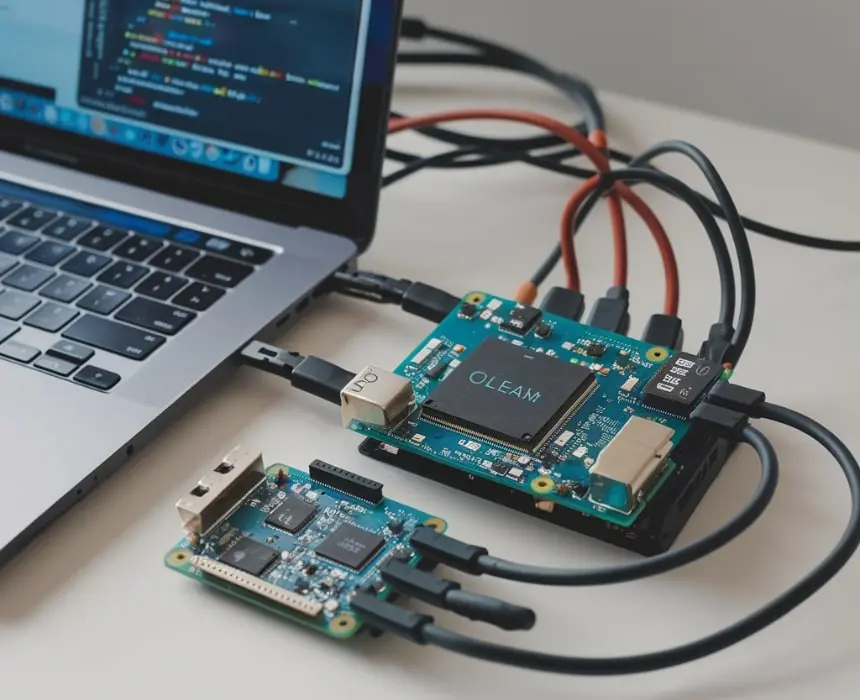
If you already have a medical device that measures correctly - a glucometer, pulse oximeter, spirometer, or thermometer but it has no connectivity, CoreFragment can help you add BLE firmware and a companion mobile app without redesigning the core measurement system. We work with your existing hardware, identify the right integration points for adding a BLE module, write the firmware that captures readings and transmits them over BLE, and build the mobile app that receives and displays them. You keep the measurement accuracy you already validated. We add the connectivity layer that makes the data accessible and actionable.
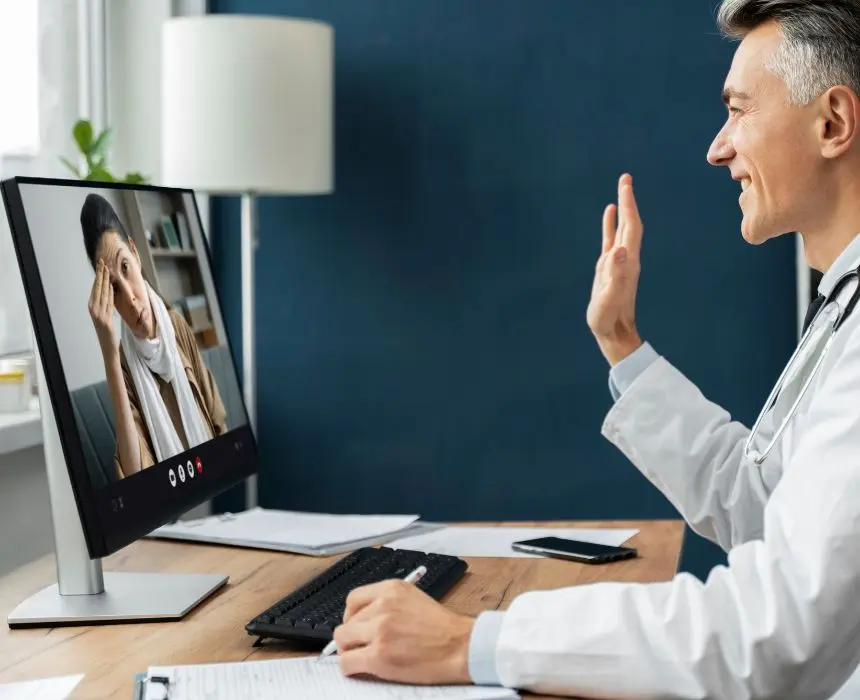
Remote patient monitoring is one of the fastest-growing areas in digital health and it requires two well-designed interfaces, not one. The patient-facing mobile app needs to be simple, supportive, and focused on the patient daily self-management. The clinician-facing portal needs to show population-level patient data, individual patient trends, alert histories, and clinical reports in a format that fits into a healthcare provider workflow. CoreFragment designs and builds both interfaces from a shared backend API - so data flows correctly between them in real time, access controls work consistently across both, and you do not end up maintaining two separate data pipelines that gradually fall out of sync.
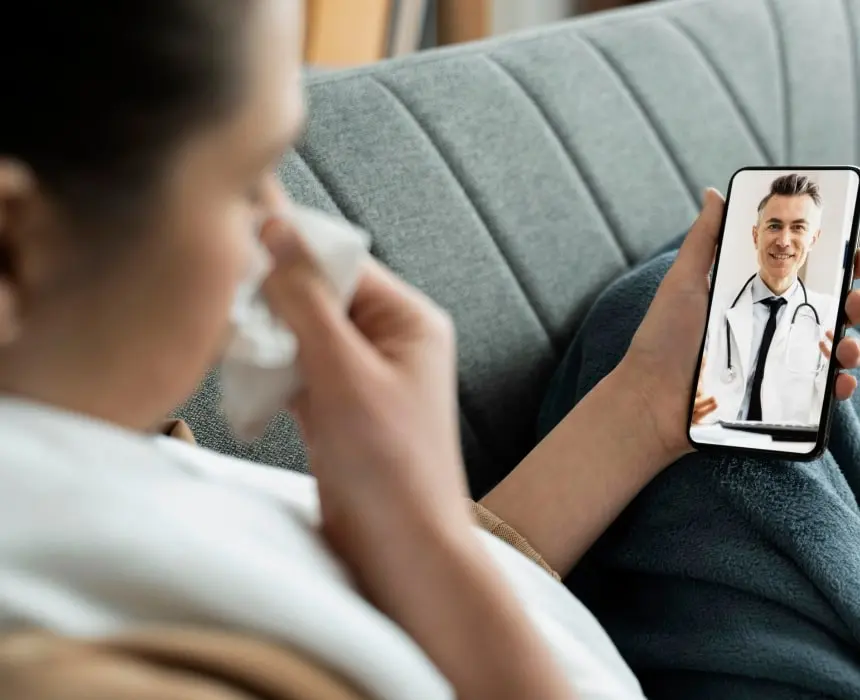
If your current glucometer app stores data locally on the patient phone but your clinical team needs to monitor patient glucose data remotely for a remote patient monitoring programme, a telehealth service, or a chronic disease management platform - CoreFragment can design and build the cloud backend and provider portal that extends your existing app into a full remote monitoring system. Patient data flows from the glucometer through the app to the cloud, where authorized clinicians can review it in real time without any change to the patient user experience.
Medical apps are not used by developers or early adopters - they are used by patients managing serious health conditions, many of whom are elderly, anxious, or dealing with the cognitive load of chronic disease management. CoreFragment designs companion mobile apps with real patient usability as the primary design driver — large, readable text, clear colour-coded status indicators, simple one-tap actions, and minimal steps between opening the app and seeing what the patient needs to know. We test usability with the patient profile in mind, not with engineers who already understand how the app works.
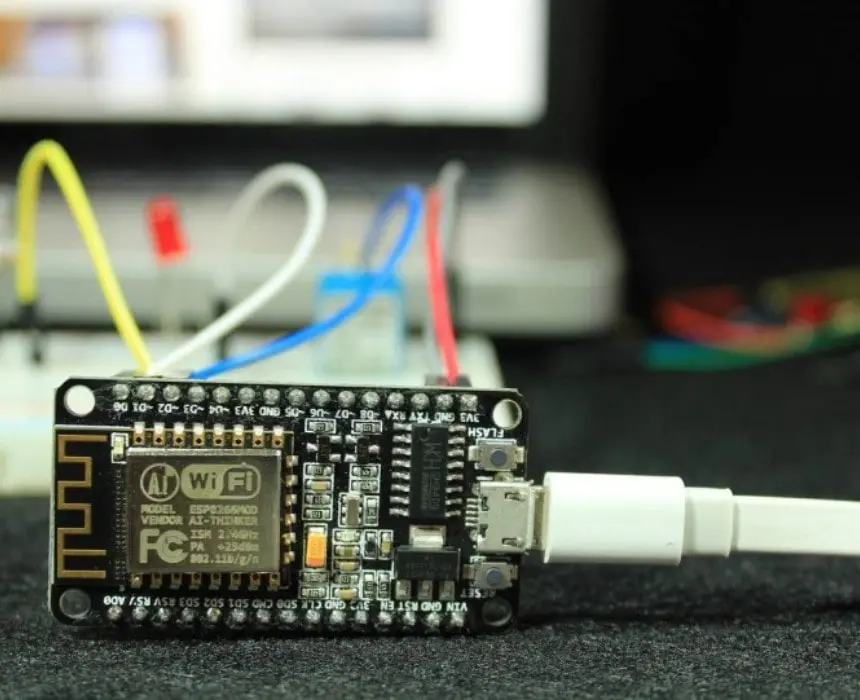
When the glucometer completes a measurement, the firmware formats the glucose reading — including the measured value and any relevant metadata into a BLE characteristic notification. The Laird module broadcasts this notification over the BLE GATT connection to the paired mobile app. The app receives the characteristic notification through its BLE event handler, extracts the glucose value, stores it with a timestamp, and immediately updates the UI to show the new reading. The entire transfer from measurement completion to app display happens in a fraction of a second.
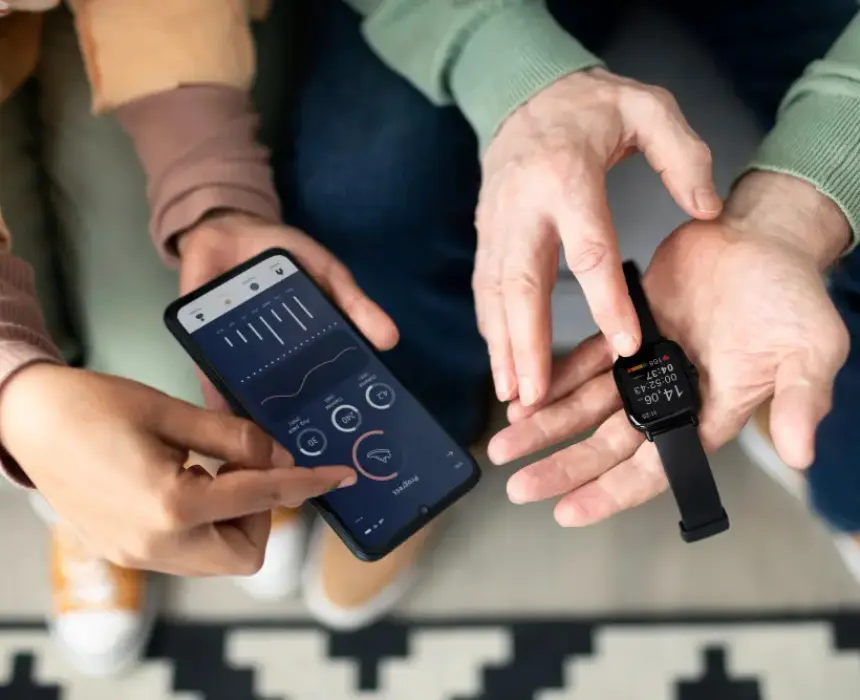
Each patient receives a personalized glucose test kit that includes the BLE-enabled glucometer and access to the companion mobile app. When the patient takes a blood glucose reading, the glucometer measures the glucose level and automatically transmits it to the paired mobile app via Bluetooth. The app receives the reading, stores it with the current timestamp, updates the glucose history of patients, checks it against their configured safe range, and sends an alert if the reading is abnormal. The patient sees their current reading, their recent history, and their trend - all in the app without any manual data entry.
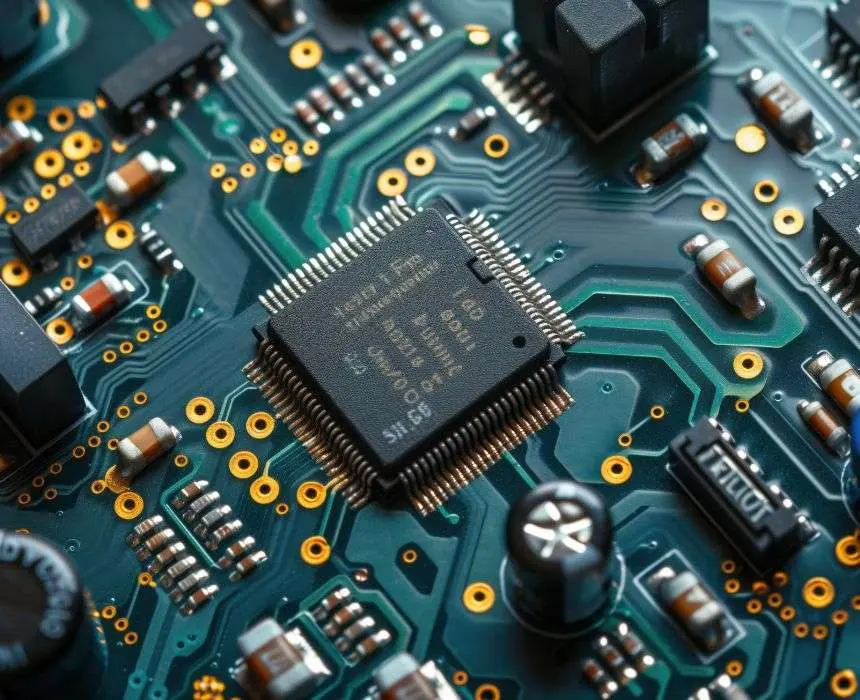
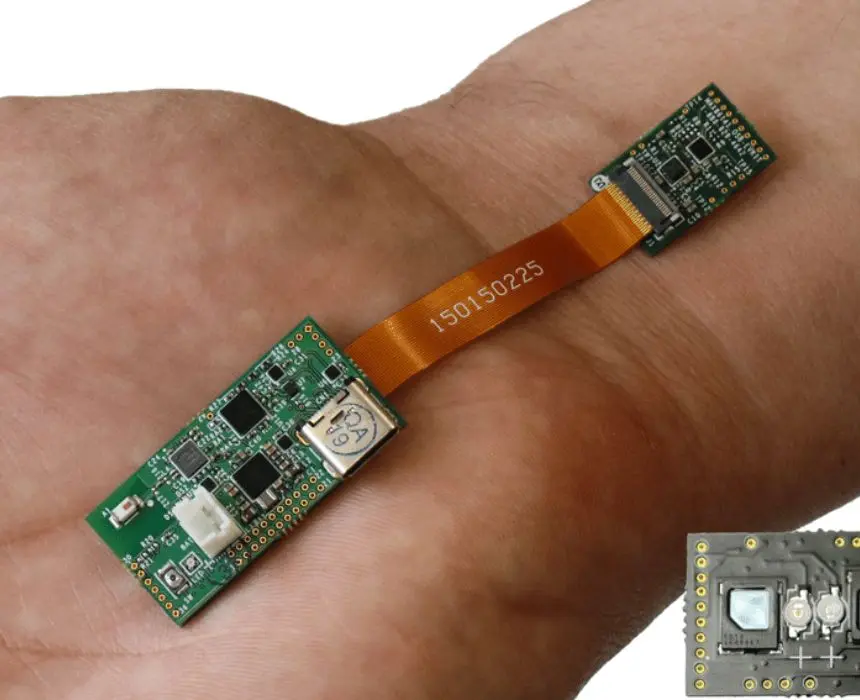
The glucometer firmware manages the electrochemical measurement process - controlling the measurement timing, reading the analog signal from the test strip electrode, applying calibration factors to convert the raw signal into a blood glucose concentration value in mg/dL or mmol/L, and validating the reading quality before transmitting it. The firmware also manages the device power state - activating the measurement circuit only when a test strip is inserted, keeping the BLE module in low-power advertising mode between readings, and managing the display output alongside the BLE transmission.
The app allows patients to configure their personal measurement schedule - the times of day they need to check their glucose, such as before breakfast, two hours after each meal, and at bedtime. At each scheduled time, the app sends a push notification reminding the patient to take their reading. If a scheduled reading is missed - no BLE transfer received within the expected window - the app can send a follow-up reminder. This reminder system is one of the most clinically valuable features of the connected glucometer because measurement adherence - consistently checking at the right times is directly linked to the quality of diabetes management.
_title.webp)