Use Cases:
- Scalable and Reliable cloud-based platform
- Remote monitoring and control of UPS system
- Energy saving & cost optimization
Client wanted to design and develop an efficient and cost-effective electrical energy saving solution for Uninterruptible Power Supply (UPS) systems by implementing a system that optimizes the charging and discharging of batteries based on predefined time schedules. This solution is developed by Corefragment Technologies which meets client criteria.
USA
IoT
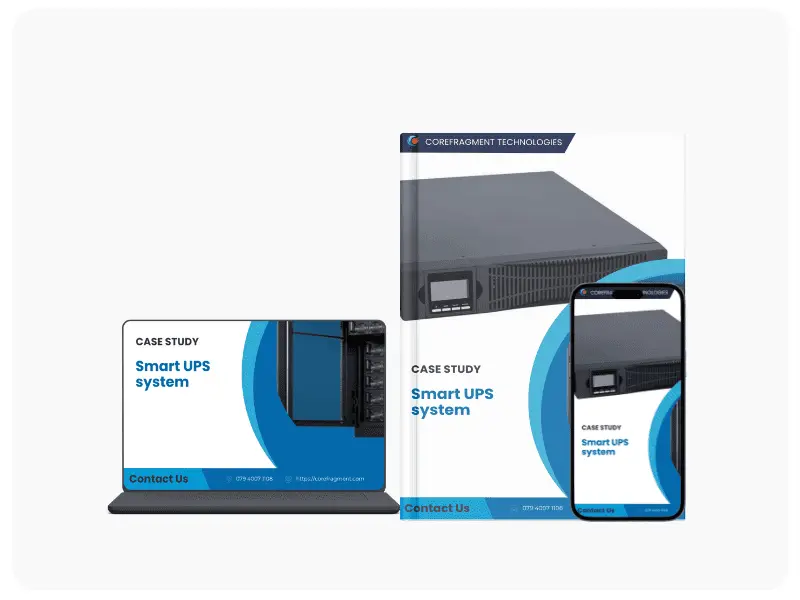

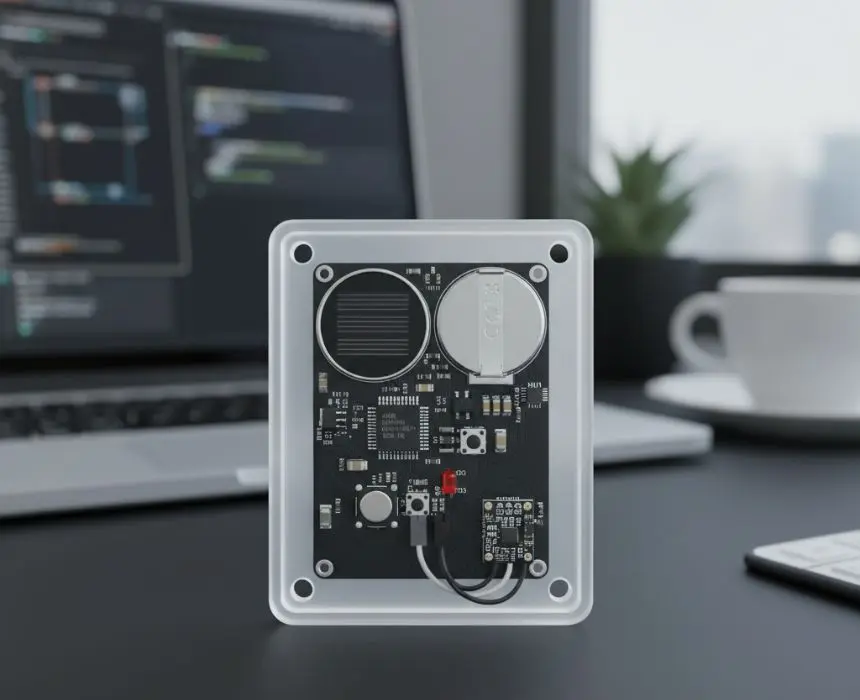
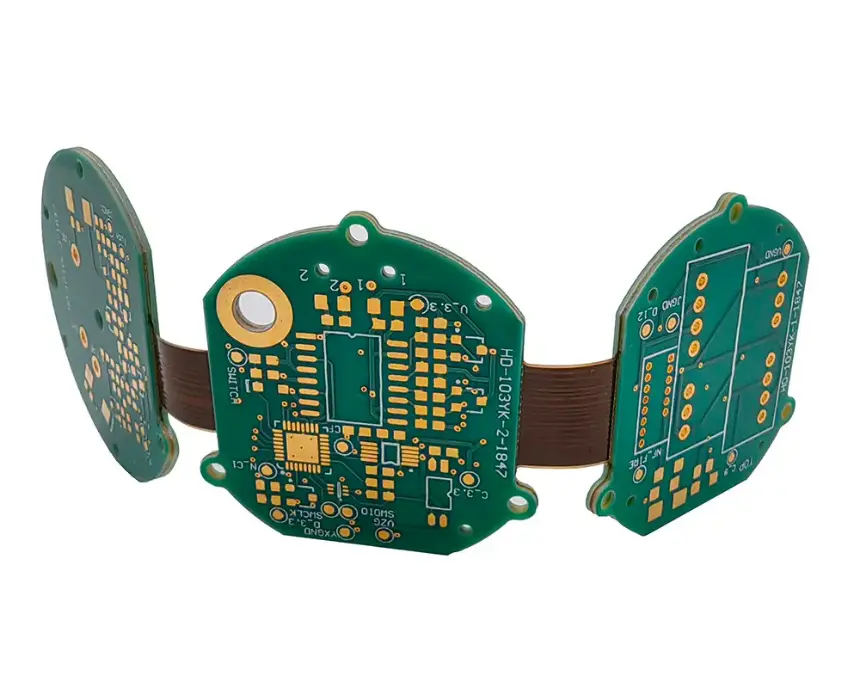
CoreFragment Technologies can help in building smart UPS system with battery monitoring, renewable energy integration, remote management functionality.
A smart UPS platform that manages one customer three-unit installation needs a different cloud architecture than one managing hundreds of customers across thousands of sites. CoreFragment designs cloud platforms for IoT energy products with multi-tenancy, multi-site hierarchy, role-based access control, and horizontal scalability built in from the start - so your platform grows with your business without requiring a rebuild when you land your tenth enterprise customer.
A UPS battery bank with smart charge scheduling is already most of the way to a solar storage system. CoreFragment helps you extend the smart UPS architecture to integrate solar input - charging batteries from solar generation during the day and discharging them during evening peak periods - turning your backup power infrastructure into an active energy asset. The firmware scheduling logic, cloud platform, and monitoring architecture we build for UPS optimization are all directly applicable to solar-plus-storage configurations.
If you manage UPS systems across multiple facilities and rely on scheduled physical inspections to know whether your batteries are healthy, you are always one undetected battery failure away from an unexpected outage. CoreFragment builds remote monitoring systems that give you real-time per-battery voltage and current data, automated health alerts, and a cloud dashboard that shows you the status of every battery in every system from a single screen - replacing reactive inspection with proactive monitoring.
If you have an existing UPS product that performs its core power protection function well but lacks modern IoT connectivity, remote monitoring, and cloud management, CoreFragment can help you add these capabilities as a retrofit - designing an add-on connectivity and monitoring module that integrates with your existing hardware and adds a cloud platform and web application on top. You preserve your existing hardware investment while giving your product the connected features that today customers expect.
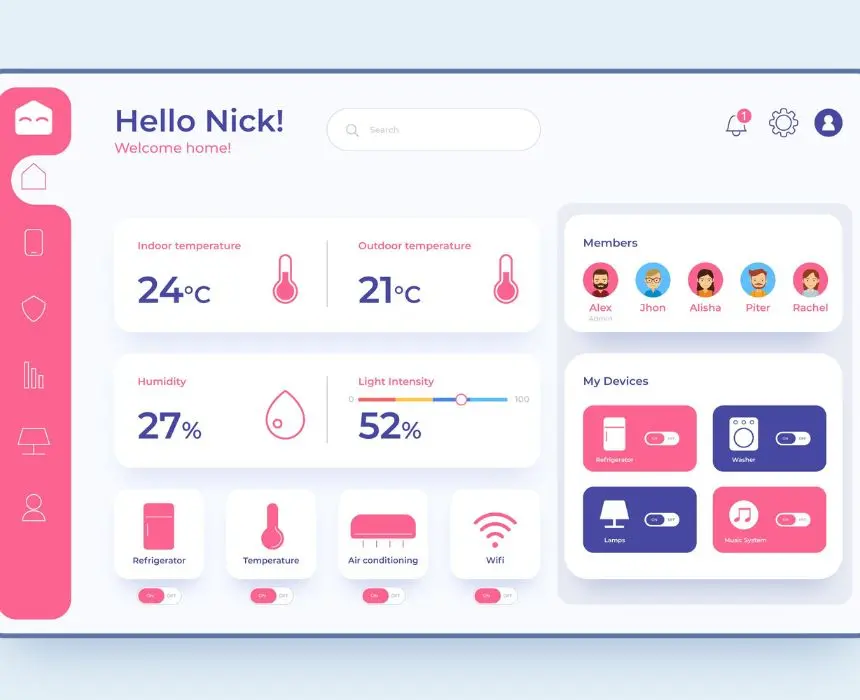
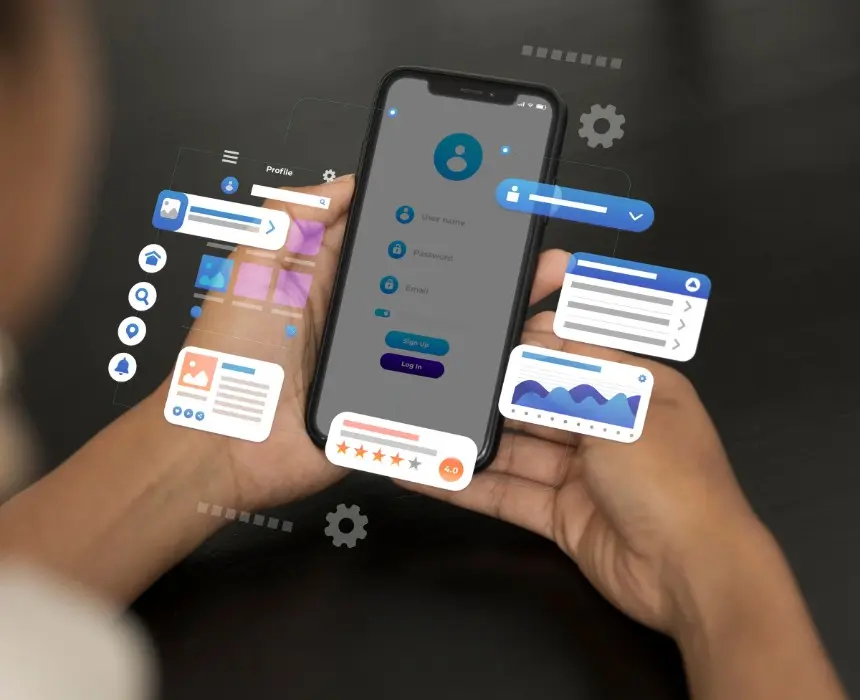
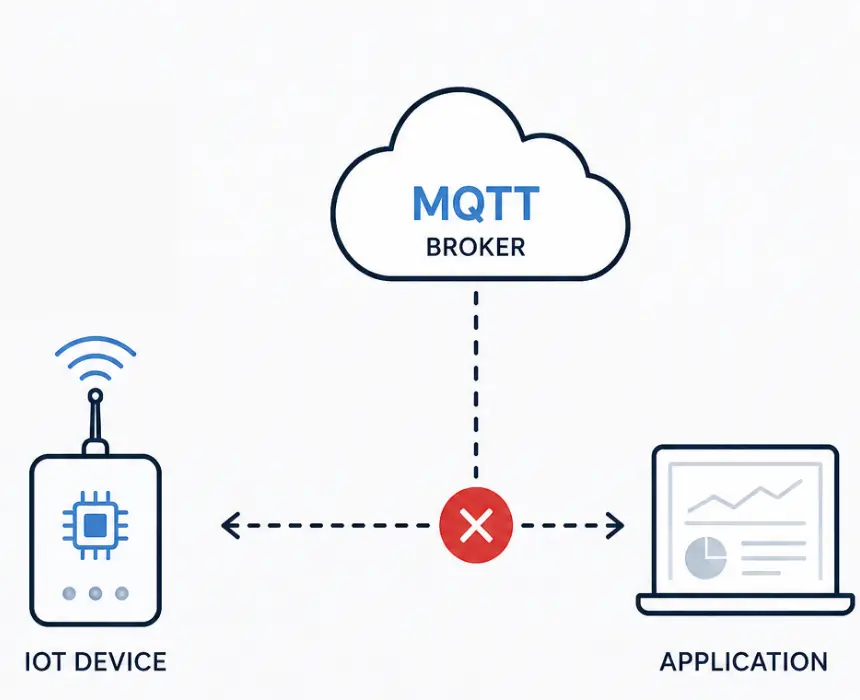
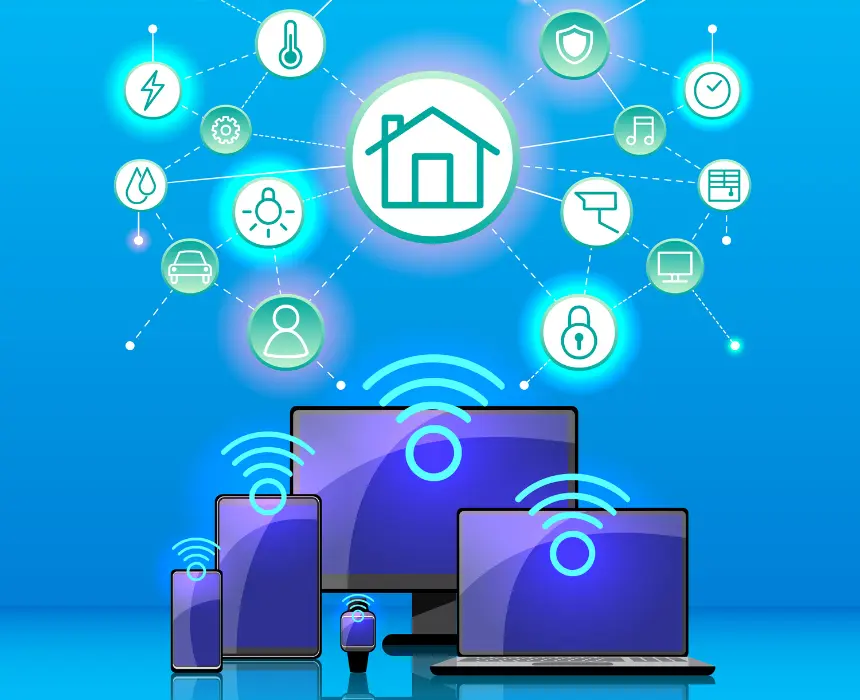
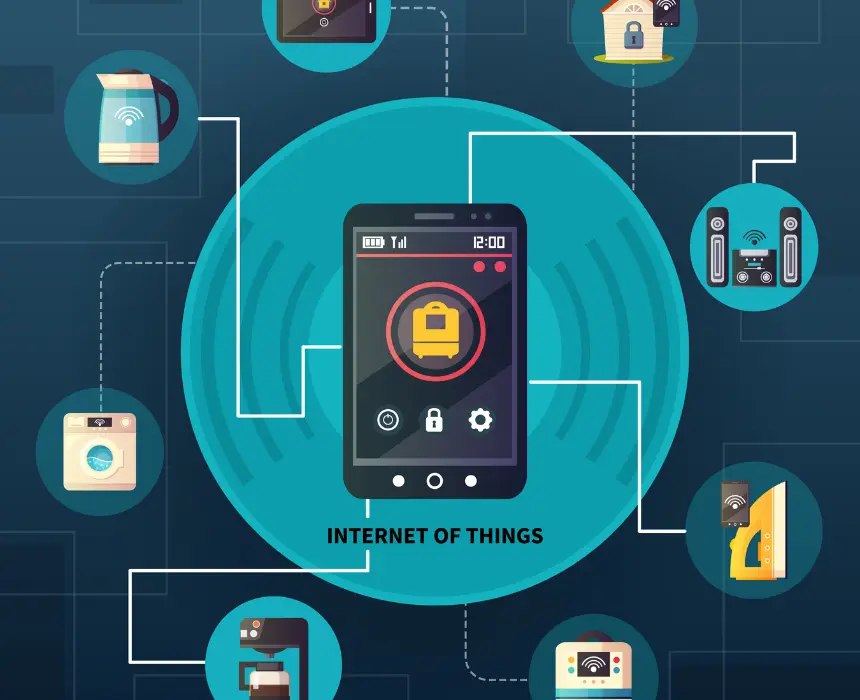
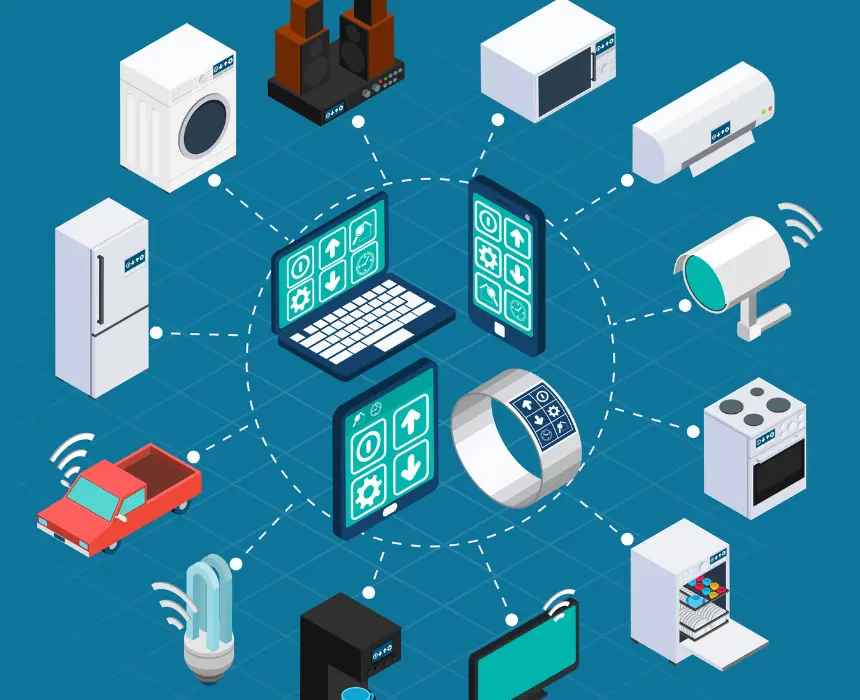
The web application communicates with the UPS system through the cloud platform. The connectivity unit on the hardware side maintains a cloud connection - transmitting real-time battery status, voltage and current measurements, and system state data to the cloud, while receiving commands and configuration updates from the cloud. The web application, accessible from any device including handheld devices like tablets and phones, presents this data in a dashboard interface and allows operators to send control commands - adjusting charge schedules, triggering manual charge or discharge cycles, and configuring alert thresholds - that are relayed through the cloud to the hardware.
Administrators configure charge and discharge schedules through the web application - specifying which hours of the day the system should prioritize charging (typically off-peak tariff hours) and which hours it should rely on battery power or discharge to the grid (during peak tariff hours). The firmware on the central control unit enforces these schedules automatically, switching between charging and discharging modes at the configured times without requiring any manual intervention. Schedules can be updated remotely through the cloud platform as tariff structures or operational requirements change.
The client needed an energy-saving solution for industrial UPS systems that reduced electricity costs without compromising power reliability. Traditional UPS systems charge batteries indiscriminately - often during peak electricity tariff hours when power is most expensive. This smart system solves that by implementing time-schedule-based charging and discharging logic - charging batteries during off-peak tariff periods when electricity is cheaper and discharging strategically to reduce peak demand charges. The result is meaningful energy cost savings without any reduction in backup power reliability.
The actual savings depend on the size of the battery bank, the local electricity tariff differential between peak and off-peak rates, and how aggressively the charge scheduling is configured. For industrial facilities with large UPS banks in US markets with time-of-use tariffs, the peak demand charge reduction alone - which can represent 30 to 50 percent of a commercial electricity bill - can result in significant monthly savings. The exact figure varies by facility, but the optimization strategy is well-established in the energy storage industry.



_title.webp)
_title.webp)