Use Cases:
- Pet Location tracking
- Tag registration and management
- Battery Life Optimization
- Alert configuration
The client wanted to develop an efficient and reliable pet tracking system using Bluetooth Low Energy (BLE) 5.0 technology. The system should be capable of monitoring their pet locations, receiving alerts, and configuring settings using a mobile application.
Europe
IoT , Smart Wearables Development





CoreFragment Technologies has expertise in end-to-end wearable development from wearable app to wearable hardware.
BLE, Zigbee, Wi-Fi, LoRa, cellular - each wireless technology suits a different product requirement and use case. CoreFragment helps you evaluate the tradeoffs for your specific product: range requirements, battery life targets, data throughput needs, cost per unit, and target market regulations and recommends the right technology before you commit to a hardware platform. Starting with the right wireless choice saves months of rework later.
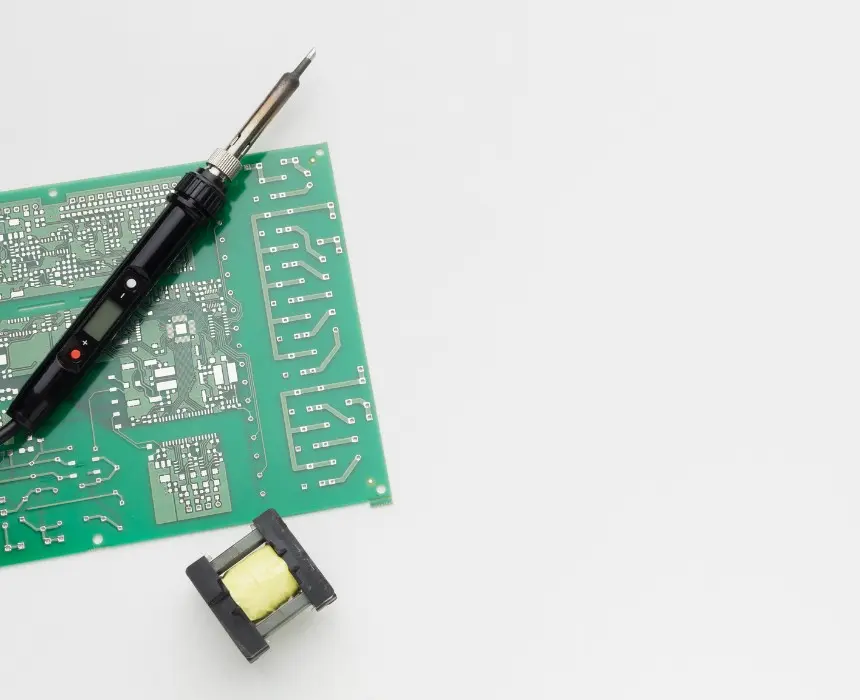
Battery life is the hardest problem to solve in wearable product development, and it cannot be fixed with better hardware alone - it requires firmware that is designed for power efficiency from the ground up. CoreFragment embedded engineers understand Nordic power management architecture deeply and apply proven low-power design patterns - optimized advertising intervals, efficient sleep modes, peripheral management to help your wearable hit the battery life targets your users expect.
If you have an existing BLE wearable running on BLE 4 and want to take advantage of BLE 5.0 extended range and improved performance, CoreFragment can manage the migration for you - hardware redesign, firmware port, BLE stack upgrade, mobile app compatibility updates, and re-validation testing. We have done this migration on real products and know how to do it without introducing new bugs or breaking existing functionality.
Battery life optimization is handled at the firmware level through aggressive power management techniques. The device spends most of its time in a low-power sleep state, waking up only at defined intervals to broadcast its BLE advertising packet. The advertising interval is tuned to balance responsiveness - how quickly the app detects the pet - with battery consumption. When no mobile app is connected, the device reduces its advertising frequency further to conserve power. These firmware-level optimizations are what allow a small battery to power the device for days rather than hours.
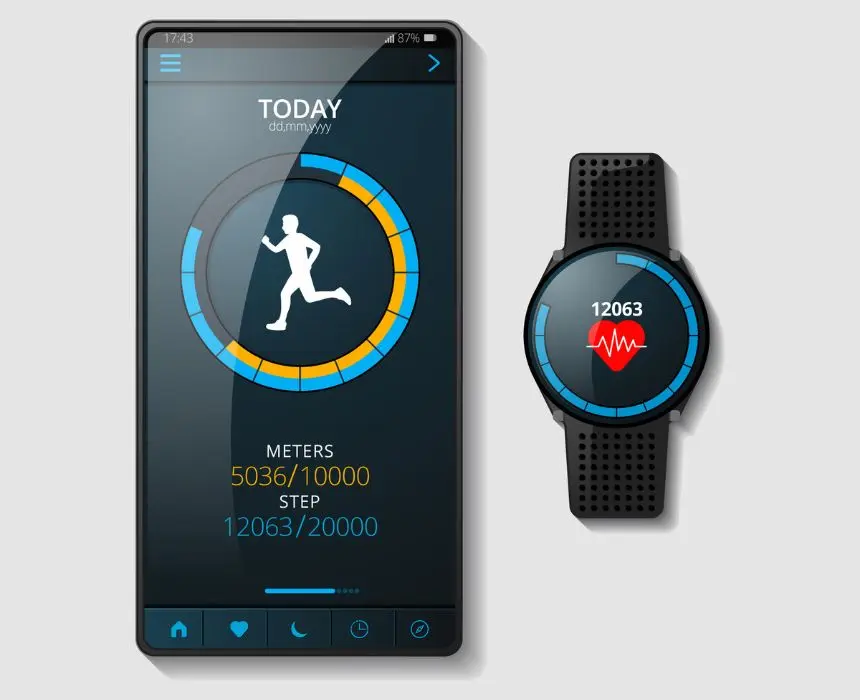
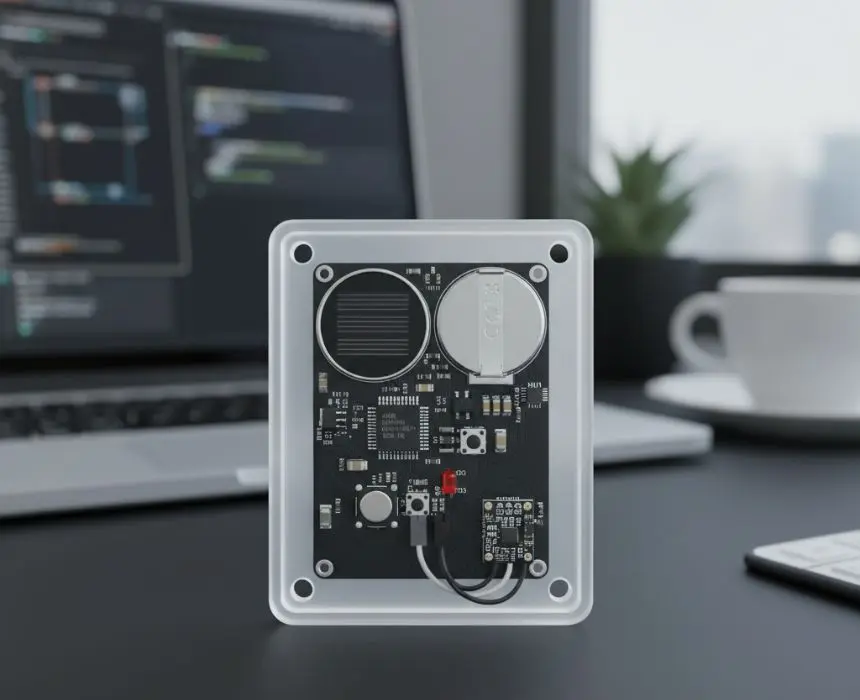
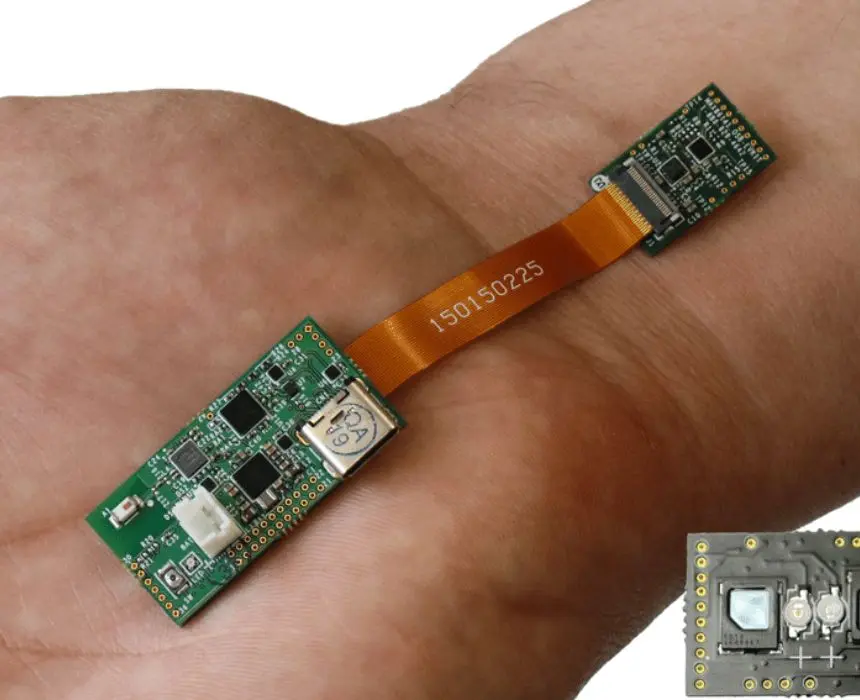
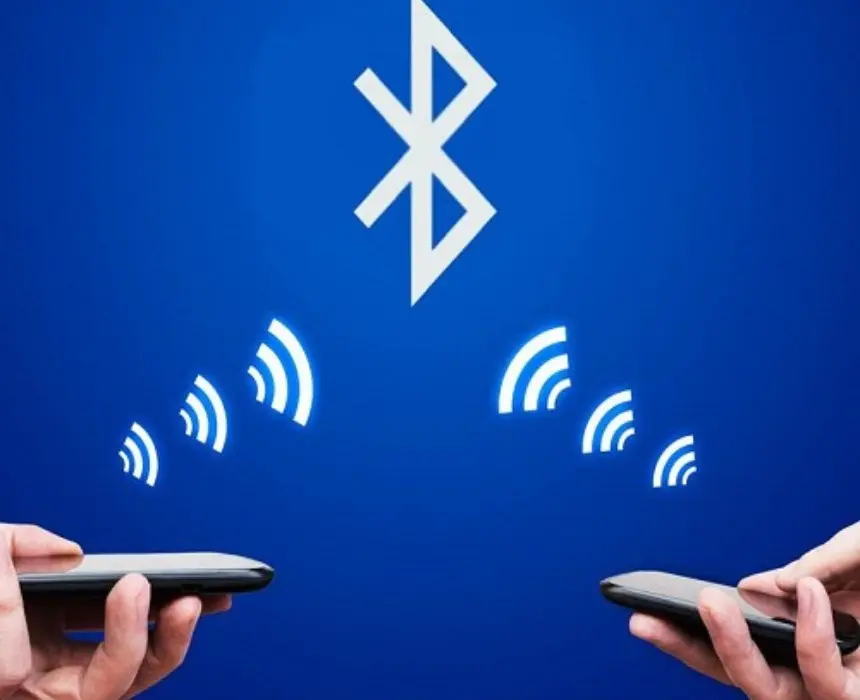
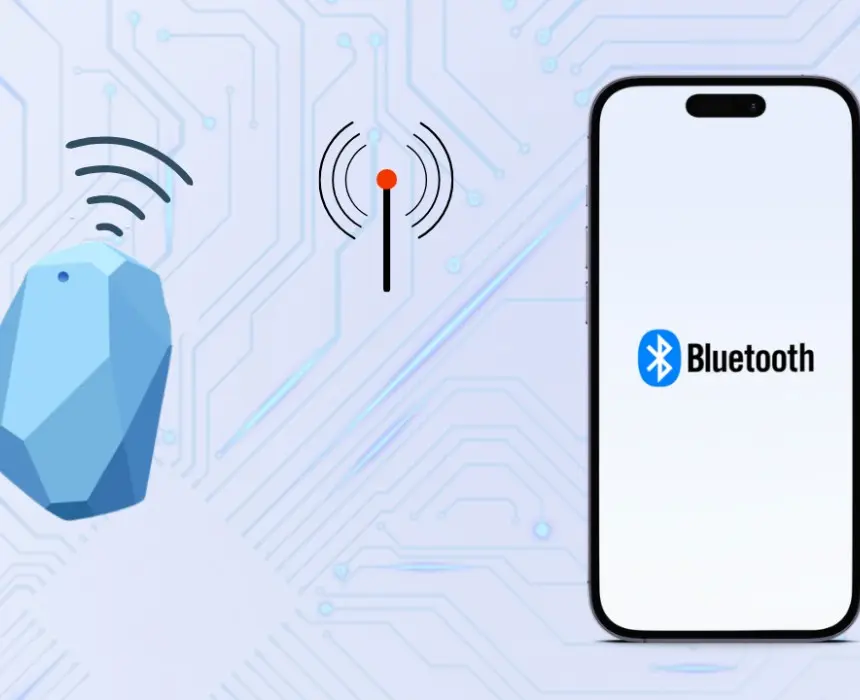
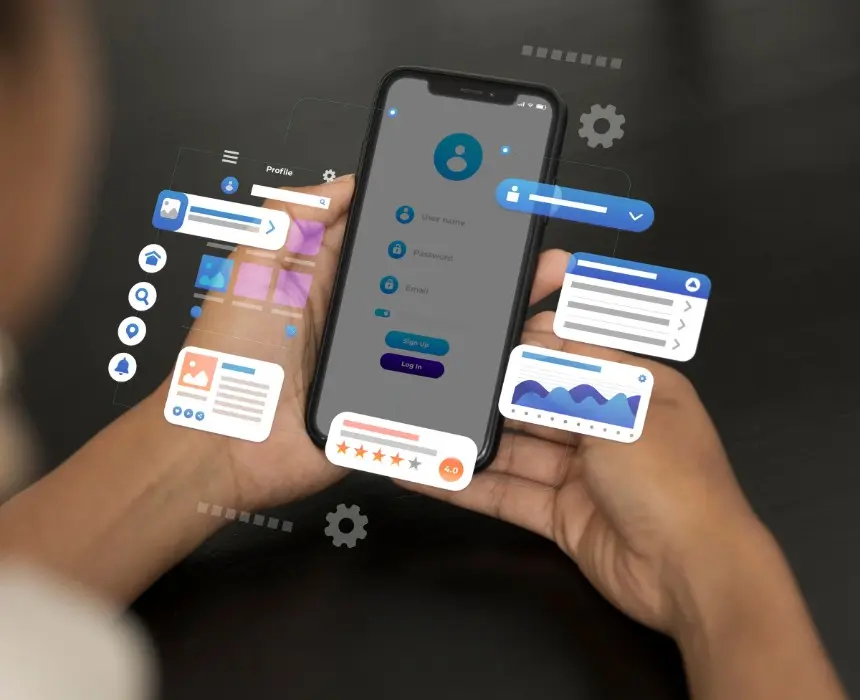
A compact electronic device attached to the pet collar continuously broadcasts a BLE signal. The owner mobile app - connected via Bluetooth Low Energy 5.0 receives this signal and uses it to determine the pet proximity and status. Owners can set a safe range for their pet, and when the pet moves beyond that defined boundary, the app triggers an alert immediately. Settings like range limits and alert preferences can be updated wirelessly from the mobile app directly to the collar device.
BLE 5.0 is ideal for this use case because it offers significantly longer battery life than GPS tracking — which is critical for a wearable device that needs to run for days or weeks on a small battery. BLE also has a smaller, lighter hardware footprint which is important for a comfortable pet collar. GPS is more suitable for tracking pets across large distances or outdoors in open areas, while BLE works well for proximity-based monitoring in home, garden, and neighbourhood environments where most pet tracking needs occur.
For a BLE-based wearable with a companion mobile app, the typical development timeline from concept to working prototype is 12 to 20 weeks, depending on the complexity of the hardware design, firmware requirements, and app features. This includes PCB design and fabrication, firmware development and testing, BLE protocol implementation, mobile app development, and integration testing between all three layers. Production-ready versions with enclosure design, regulatory testing, and manufacturing preparation - add additional time beyond the prototype stage.
The app monitors the BLE signal from the collar continuously. When the signal strength drops below the threshold corresponding to the owner defined safe range, the app sends an out-of-range alert - a push notification that immediately notifies the owner that their pet has moved beyond the safe boundary. Alert sensitivity can be configured so owners are not bothered by brief signal fluctuations, while still receiving reliable notifications when the pet genuinely wanders out of range.








_title.webp)
_title.webp)